
The Moral Limits of Procedure
The Collini CaseThe novel places legal rights and due process beside the possibility that lawful outcomes can preserve injustice.
increasing Bearing strength in each event
 decreasing
Bearing strength in each eventdecreasingThe Lawyer’s First Test
The Lawyer’s First Test
Procedure matters
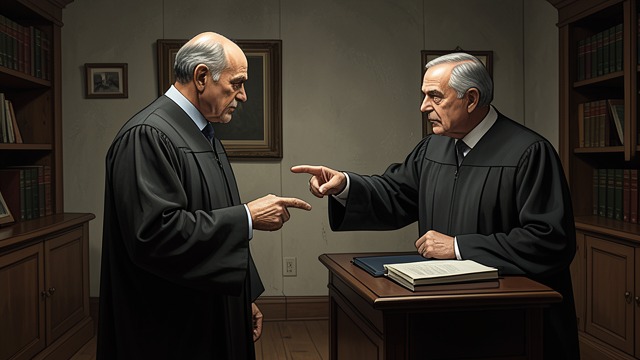
Leinen’s legal-aid appointment gives Collini representation even though the accused says he does not want a lawyer. The magistrate also corrects Leinen for wearing a robe at a closed hearing.
Form and responsibility
The moment shows that legal work depends on rules, but knowing rules is not enough. Leinen must learn how procedure protects a person in a case that repels him.
The Client’s Silence
The Client’s Silence
A protected choice
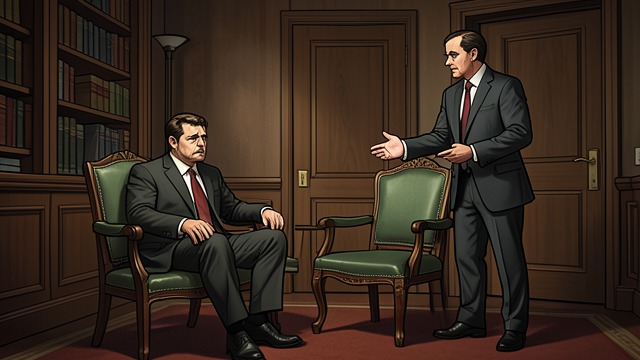
Collini declines to explain his motive, exercising the right to remain silent. Investigators cannot force him to speak, and his lawyer must work within that limit.
The cost of an empty record
Silence leaves the court with an act and no history. The right protects the accused, but it also allows the deeper causes of a crime to remain unseen unless other evidence brings them forward.
A Trial as a Battle
A Trial as a Battle
Conflicting lives in court
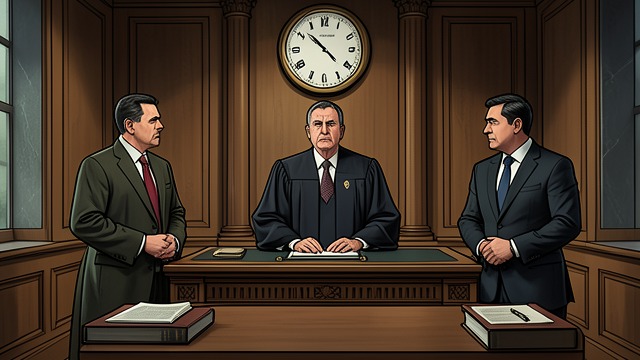
Leinen imagines judges, lawyers, and prosecutors bringing their fears and prejudices into one room. He understands that procedure is the structure within which their judgments must be tested.
Fairness under pressure
Mattinger’s example has taught him that defense is not an endorsement of a client’s actions. It is an insistence that the state prove its case through a fair process.
A Lawful Closure

A Lawful Closure
The statute’s authority
The investigation into Meyer ended under a limitation rule, and the constitutional principle prevents expired cases from simply being revived. Legal certainty protects against endless prosecution.
Its human consequence
For Collini, the rule meant no answer to a complaint about his father’s death. The law’s protection is real, but its distribution can leave some people with a finality they experience as abandonment.
The Unfinished Judgment
The Unfinished Judgment
No verdict on the accused
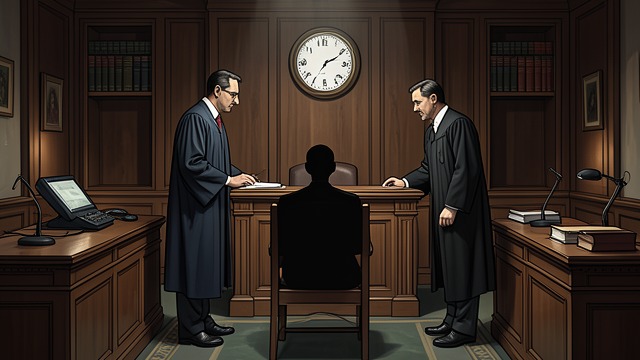
Collini’s death ends the proceedings before the court can decide the murder charge. His story has been heard, but the legal process cannot deliver a judgment in his case.
Procedure and justice remain distinct
The state follows its rules in closing the trial, yet the historical injustice remains unresolved. The ending refuses to equate a completed procedure with a repaired past.
At Leinen’s first remand hearing
During the months before trial
On the eve of the first hearing
During the examination of Dr Schwan
After the trial is discontinued
