
The Justice System’s Historical Reckoning
The Collini CaseThe case links archival inquiry, changing public memory, and the unresolved legacy of legal officials who shaped postwar accountability.
increasing Bearing strength in each event
 decreasing
Bearing strength in each eventdecreasingArchives of Atrocity
Archives of Atrocity
A central office
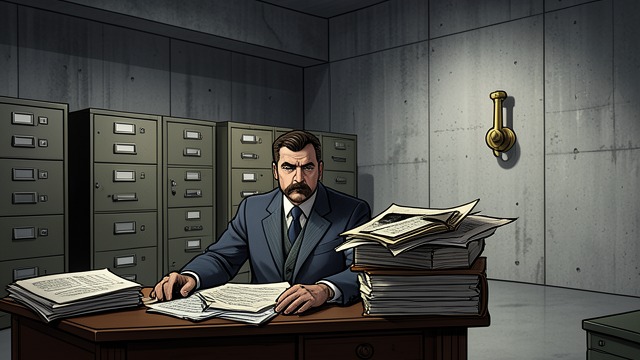
The Central Office of the State Justice Administrations is established to assemble evidence about Nazi crimes and support preliminary investigations. Its files preserve material that might otherwise disappear.
Memory as legal work
Archival records make later scrutiny possible, but they cannot themselves prosecute or judge. The gap between documentation and accountability becomes central to Collini’s case.
A Changed Public Mood
A Changed Public Mood
Confronting evidence
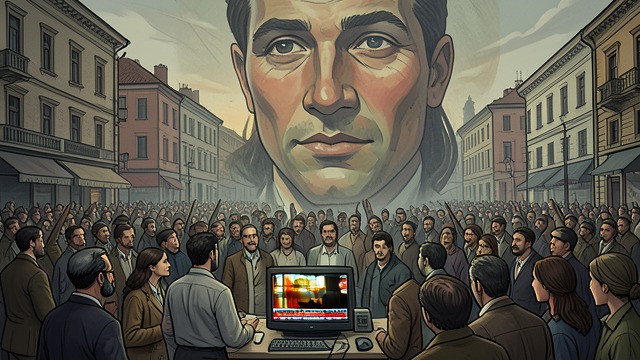
The Auschwitz trials bring more of the Nazi past into public view. Later television and public discussion further change how people understand the period.
Judgment evolves
Dr Schwan explains that legal and social judgments are not static. The changing public response does not automatically reopen old cases, but it changes how the past is interpreted.
An Official’s Career
An Official’s Career
Continuity in government
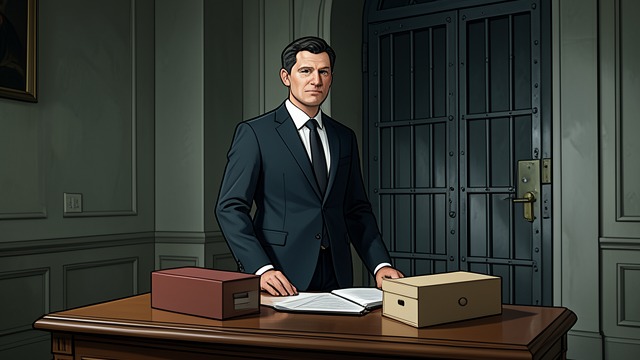
Dr Schwan describes how Dr Eduard Dreher, a former Nazi-era prosecutor, later rose within the Federal Ministry of Justice. His past was known, but did not prevent his advancement.
Institutional responsibility
The account directs attention beyond individual defendants to officials shaping postwar law. A democratic legal system may inherit personnel and assumptions from the regime it seeks to judge.
The Unnoticed Amendment
The Unnoticed Amendment
A technical provision
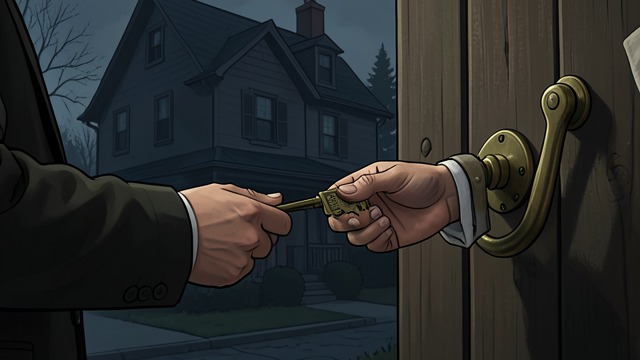
A little-discussed change to criminal law alters the treatment of accessories to murder and limitation periods. The scale of its effect is recognized only after the law takes effect.
Accountability narrowed
The resulting rule protects many people from prosecution without an explicit public decision to pardon them. Schwan characterizes the effect as a broad, cold amnesty.
A Novel That Reopens Debate
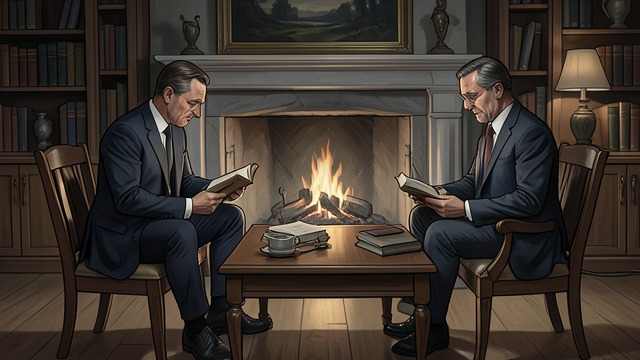
A Novel That Reopens Debate
Public institutions respond
Months after the German publication of the novel, the Federal Minister of Justice appoints a committee to reassess the ministry’s Nazi-era legacy. The book becomes one of its reference points.
Fiction and public memory
The case’s imagined events draw attention to real legal history. The narrative’s aftermath shows how storytelling can prompt institutions to examine what their records and procedures have left unresolved.
From 1958 onward
From the Auschwitz trials to the late 1970s
After the war and during the 1960s
1 October 1968
January 2012
