
Collini’s Long Silence
The Collini CaseFabrizio Collini’s refusal to explain his crime protects a private history until the trial forces its shape into public view.
increasing Bearing strength in each event
 decreasing
Bearing strength in each eventdecreasingThe Confession at Arrest
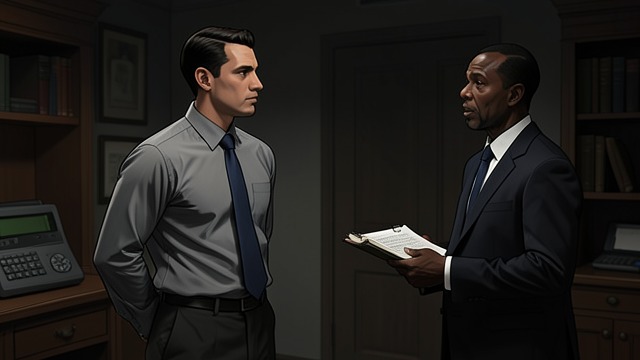
The Confession at Arrest
An unambiguous act
Collini tells the lawyer that he killed Hans Meyer but refuses to make a statement to the magistrate. He does not try to evade the evidence or deny responsibility.
Silence as control
His words establish the crime while withholding the reason. That distinction becomes the central obstacle for the defense and for everyone seeking a comprehensible motive.
No Personal Requests
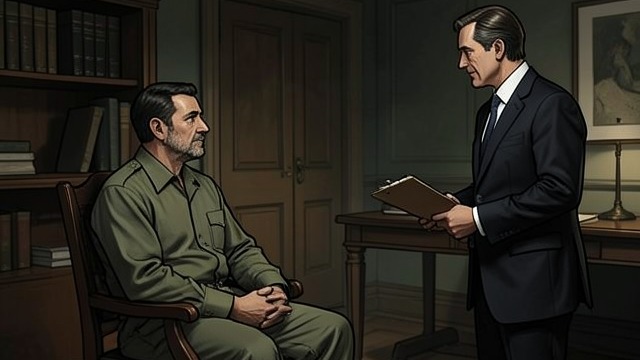
No Personal Requests
A guarded routine
Collini receives Leinen’s weekly visits calmly and courteously, but gives no account of the past. He neither complains about prison nor asks his lawyer to secure anything for him.
A case without context
His restraint frustrates the legal work, yet it also suggests that he does not expect the outcome to change what has happened. Leinen can establish the facts of the killing, not the life that led to it.
The Photographs
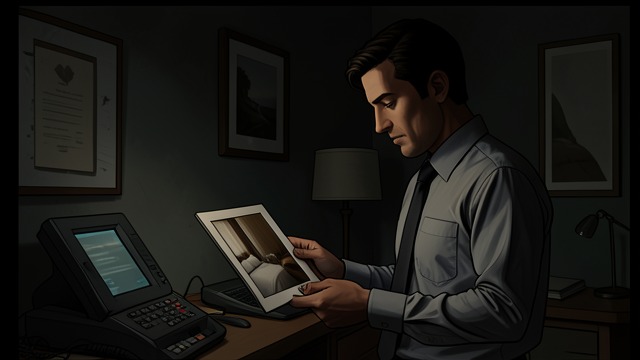
The Photographs
Looking at the evidence
When officers place graphic crime-scene photographs before him, Collini studies every image instead of turning away. He then states plainly that Meyer is dead.
A limited confession
He explains how he arranged the hotel meeting and obtained the weapon, but still withholds his motive. His account accepts responsibility without offering the investigators an emotional or moral explanation.
The Story Reaches Court
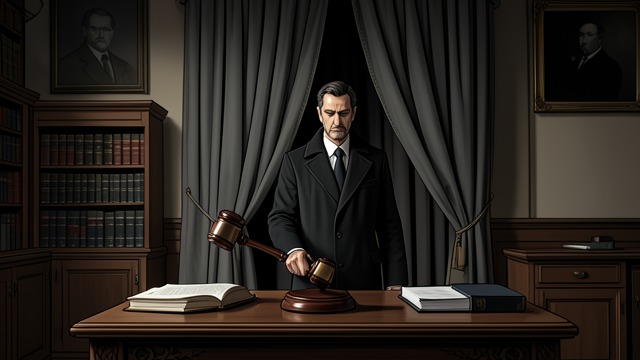
The Story Reaches Court
A history spoken for him
Leinen presents the records that connect Meyer to the execution of Collini’s father and the destruction of his family. Collini’s own past enters the courtroom through evidence and counsel.
The limits of explanation
The account supplies a motive, but cannot turn revenge into a complete answer. Collini’s life is explained more fully, while his silence continues to resist easy interpretation.
The Final Message

The Final Message
A photograph and apology
After Collini’s death, Leinen receives a photograph of Collini’s sister with a brief apology written on its back. The image makes the family loss concrete after Collini can no longer speak.
A private inheritance
The message is not a defense or a plea for absolution. It is a final acknowledgment of the burden placed on Leinen and of the sister whose death helped shape the crime.
The night of 23 May 2001
The months in remand custody
During the police interrogation two weeks after arrest
The middle days of the trial
The morning the trial is discontinued
