
The Finality of the Trial
The Collini CaseThe courtroom’s search for a verdict ends abruptly, leaving the legal case closed while its historical and personal questions remain open.
increasing Bearing strength in each event
 decreasing
Bearing strength in each eventdecreasingA Case Prepared for Closure
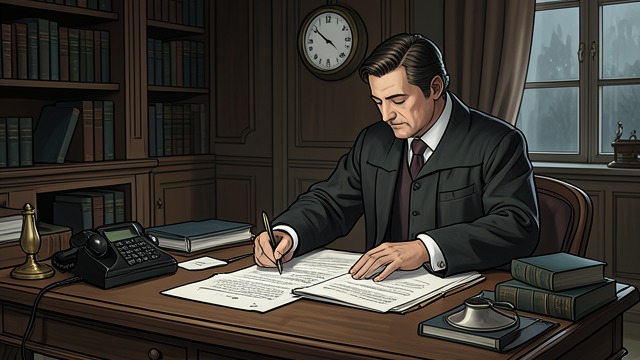
A Case Prepared for Closure
A short hearing planned
The court sets aside a limited number of days, expecting the confession and physical evidence to make the case straightforward. The motive appears unlikely to change the basic facts.
Confidence unsettled
The schedule expresses institutional confidence, but the lack of a motive leaves an important gap. The trial is planned as a conclusion before its central history is known.
An Unexpected Expansion
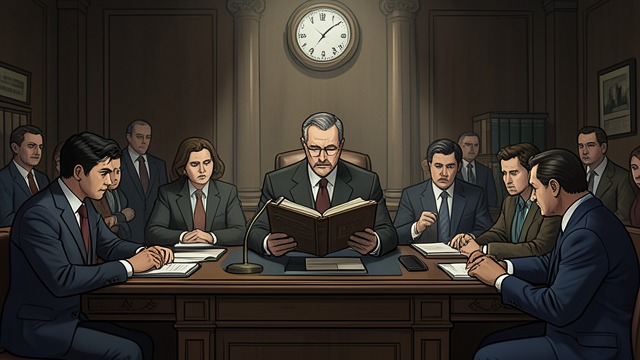
An Unexpected Expansion
More than an account of murder
Leinen’s historical statement takes several days and introduces the wartime execution, the family losses, and the later complaint. The trial expands beyond its planned timetable.
A changed purpose
The hearing now examines the circumstances that shaped Collini’s act, not just the act itself. The court must make room for a history omitted from the original investigation.
The Legal Dispute Deepens
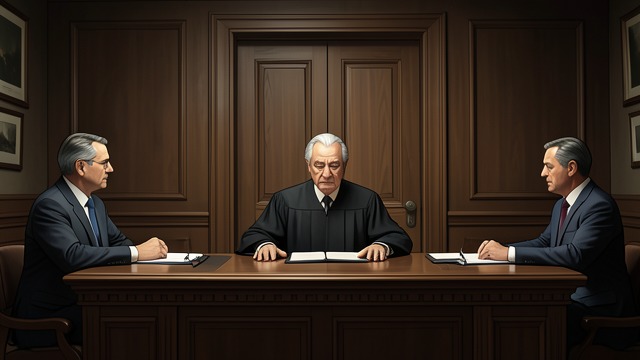
The Legal Dispute Deepens
Conflicting readings
Mattinger argues that Meyer’s reprisal may have been lawful. Leinen establishes that the old investigation ended because of a limitation rule, leaving Meyer’s conduct untried.
No settled resolution
The testimony changes the courtroom’s understanding but cannot erase the legal barrier. Questions of historical guilt remain sharper than the court’s ability to resolve them.
A Changed Verdict Never Comes
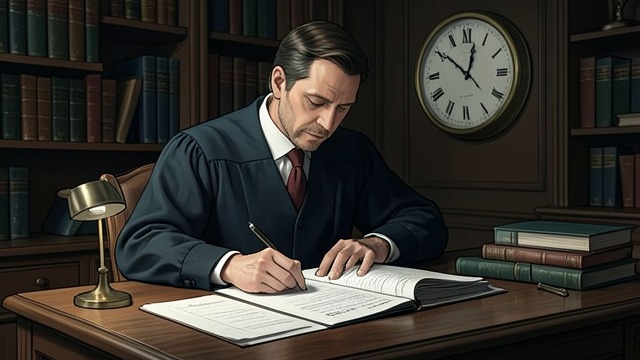
A Changed Verdict Never Comes
Collini is absent
The court waits to resume, but the defendant is not brought in. The presiding judge announces that he died in his cell overnight.
Proceedings terminated
The murder trial ends before a judgment, and the state bears the costs. The legal case reaches formal closure through the defendant’s death rather than a verdict on the evidence.
The Question Left to the Living
The Question Left to the Living
A final image
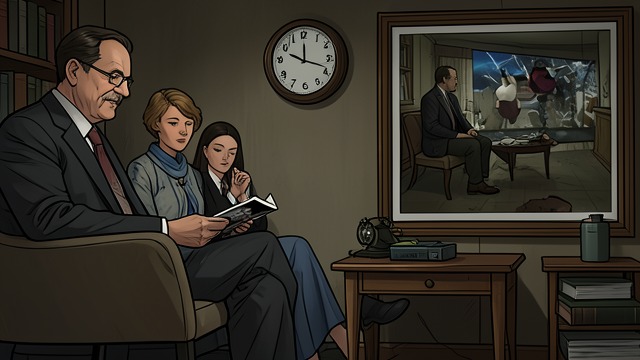
Leinen reads Collini’s apology and looks at the photograph of his sister. Johanna later asks whether she is implicated in the history that has emerged.
No complete repair
Leinen answers that she is herself, not a simple symbol of inherited guilt. The novel ends with loss and uncertainty rather than a legal or emotional resolution.
Before the first day of trial
After Leinen begins his statement
During the testimony of Dr Schwan
The morning the final hearing was to begin
After Leinen reads the final note
