
From Family Farm to German Cell
The Collini CaseFabrizio Collini’s childhood losses lead from wartime violence in Italy to migration, decades of quiet work, and a final act of revenge.
increasing Bearing strength in each event
 decreasing
Bearing strength in each eventdecreasingA Child on the Farm
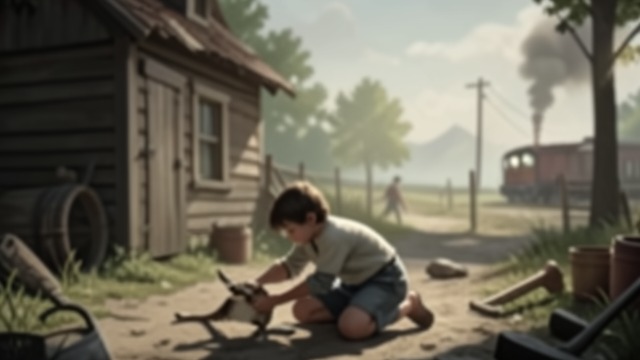
A Child on the Farm
A small world
Nine-year-old Fabrizio Collini lives on a farm with his father and older sister. His concerns are animals, school, and play, even as war and occupation press closer.
The fragile refuge
His father’s secret partisan activity makes the farm vulnerable to German forces. The child’s ordinary world is about to be broken by events he cannot understand.
The Family Destroyed
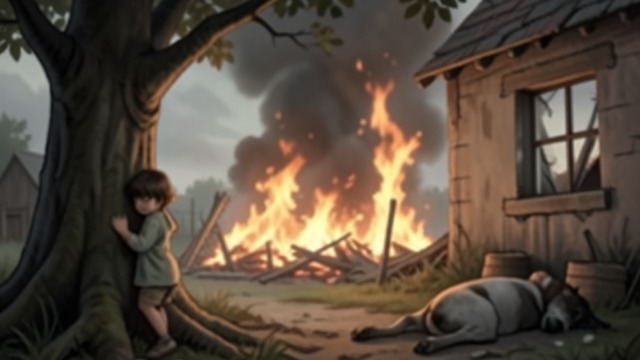
The Family Destroyed
The attack
After German soldiers take Nicola Collini, one returns to the farm and attacks Fabrizio’s sister. A gunshot kills her, and the farm is later burned.
Childhood ends
Fabrizio escapes to his uncle and learns that his father has been arrested. The losses arrive together: sister, home, animals, and the safety of childhood.
An Orphan’s New Home
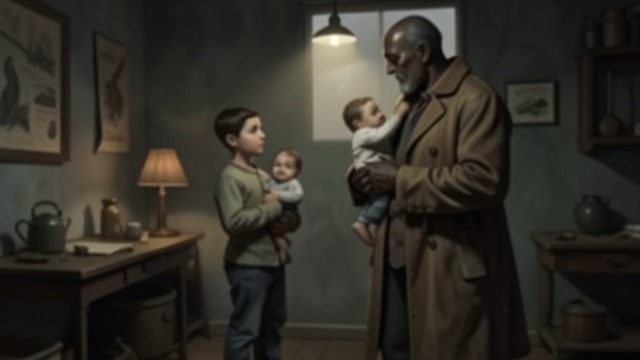
An Orphan’s New Home
A substitute family
Uncle Mauro takes Fabrizio into his household and tells him that he will become his son. He searches for Nicola and eventually learns that the German authorities hold him.
A name and a loss
The boy is left with uncertain hope about his father and the knowledge that his old life is gone. The family rupture shapes the adult who will later seek Meyer.
A Quiet Working Life
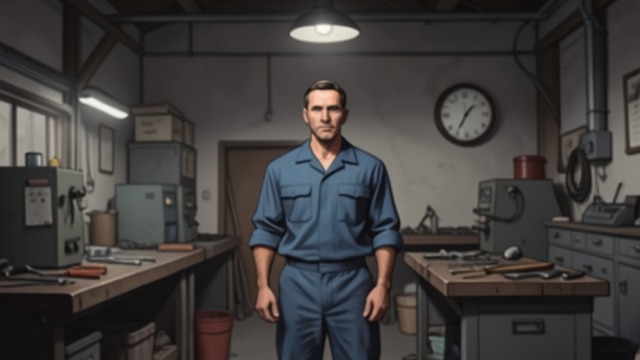
A Quiet Working Life
Migration and work
Collini leaves Italy for Germany, trains as a toolmaker, and spends decades at the Mercedes factory. His record is conscientious, and he remains outside the attention of police.
A life without explanation
He is unmarried and lives at one address for decades. This settled existence makes the eventual murder harder for investigators to connect to his earlier losses.
The Delayed Revenge
The Delayed Revenge
A postponed act
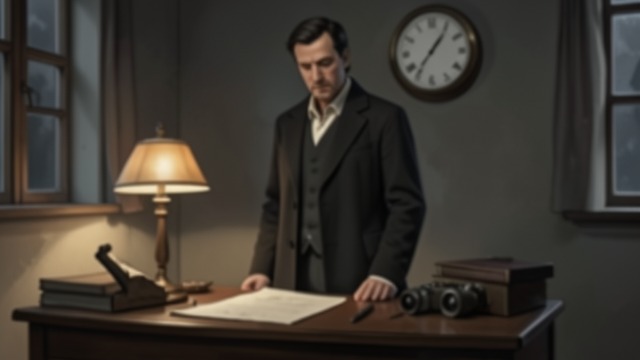
Collini explains that his aunt could not have borne the thought of him imprisoned in Germany. He waits until she has died before killing Meyer.
A life narrowed to one act
The explanation reveals the long delay as an act of care as well as revenge. Collini then accepts prison without seeking to turn his story into a plea for sympathy.
14 November 1943
The day his father is taken
The days after the farm’s destruction
From the 1950s to retirement
After his aunt’s death in 2001
