
Tashi Between Custom and Change
The Color PurpleThis thread follows Tashi's struggle to preserve Olinka belonging while questioning gender restrictions, colonial pressure, and painful rites.
increasing Bearing strength in each event
 decreasing
Bearing strength in each eventdecreasingA Girl Who Wants to Learn
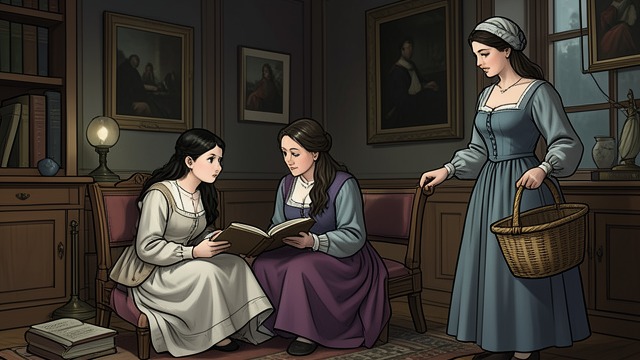
A Girl Who Wants to Learn
Learning in Secret
Tashi studies with Olivia in Nettie's hut, sharing lessons that her community does not intend for girls. She is curious and able, but must fit learning around domestic work.
Her friendship with Olivia gives her a space to imagine another future without making her independent of her village.
Family Resistance
Tashi's parents worry that she is becoming too thoughtful and unlike the person they expect her to be. Her father insists that women should remain under male guardianship.
The conflict begins between Tashi's intellectual desire and a social order that defines female respectability through obedience.
A Life the Village Rejects
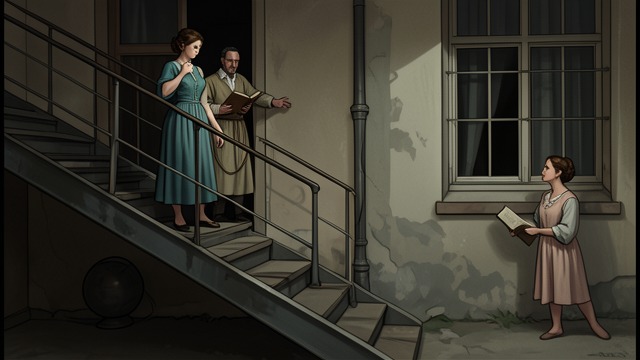
A Life the Village Rejects
Futures Restricted
Tashi's father argues that there is no place in Olinka for women to become teachers or nurses. He sees education as a threat to the roles that make women dependent on men.
Nettie challenges him, but Tashi must live with the consequences of the argument after the missionary leaves.
A Divided Belonging
Tashi understands the value of learning while remaining attached to her family and community. She is not simply choosing between tradition and modernity; she is seeking a way to belong without surrendering her mind.
The conflict persists because both cultural loss and gender restriction are real pressures.
Rites as Cultural Defense
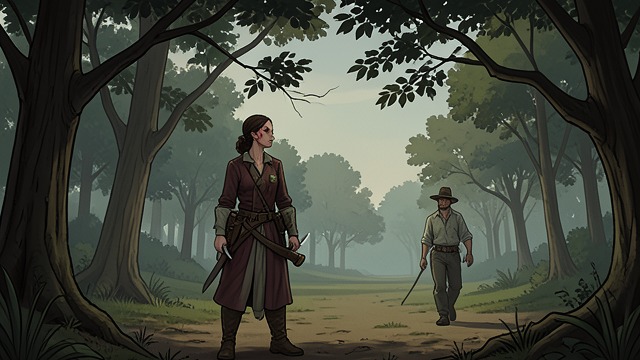
Rites as Cultural Defense
A Choice Under Colonial Pressure
Tashi undergoes facial scarification and a painful initiation rite while the village faces plantation expansion. She sees the practices as a way to affirm an Olinka identity under attack.
The rites carry belonging, but the cutting also involves pain and danger. Tashi's decision cannot be reduced to either blind tradition or simple freedom.
The Price of the Marks
When Adam sees her scars, he rejects her hand and leaves. Tashi is left with both physical wounds and the fear that her choice has cost her closest relationship.
The conflict moves from community practice into the intimate question of whether she will be accepted as she is.
Fear of American Judgment
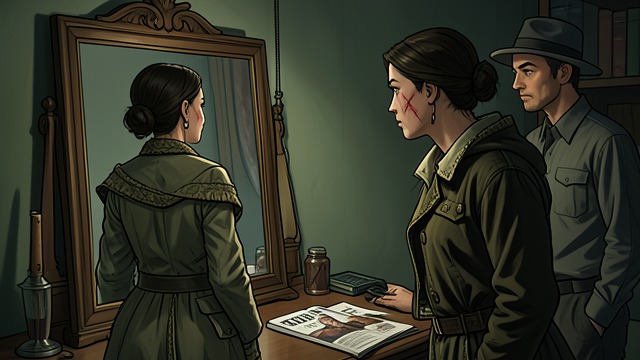
Fear of American Judgment
A Future Imagined Through Images
Tashi worries that Americans will call her a savage because of her scars and that Black people will reject her dark skin. Magazines have taught her that beauty standards can reproduce colonial judgments.
She fears losing both her people and Adam if she leaves Olinka. Her uncertainty is shaped by racism, colorism, and the cost of migration.
Asking for Commitment
Tashi tells Adam that she doubts she can belong in America. He must answer not only with affection but with a willingness to share the social consequences of her identity.
The conflict asks what love requires when one partner bears visible marks of a culture the other once rejected.
Shared Scars

Shared Scars
Adam's Change
Adam asks Tashi to forgive his reaction and has the same scars carved into his cheeks. His choice acknowledges that he cannot ask her to carry the cost alone.
The act does not resolve every fear about America, but it makes his commitment visible and irreversible.
A Partnership Chosen
Tashi and Adam marry and leave Olinka together. They carry their differences into a shared future rather than requiring Tashi to erase them.
The conflict resolves through mutual responsibility, not through a verdict that one culture is wholly right or wrong.
During Olivia's early lessons with Nettie
After Tashi's father challenges Nettie's teaching
While Nettie and the children are away in England
After Tashi and Adam return to Olinka
Just before the family leaves Olinka
