
The Meaning of Pants
The Color PurpleThis thread follows pants as a practical garment that becomes a symbol of gender freedom, useful work, and Celie's authority over her own craft.
increasing Bearing strength in each event
 decreasing
Bearing strength in each eventdecreasingClothes and Gender Rules
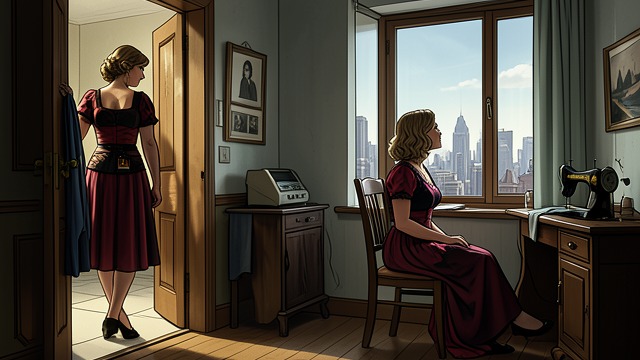
Clothes and Gender Rules
A Practical Challenge
Shug observes that Celie's dress makes field work harder and suggests pants. Celie wonders whether she is allowed to wear them because they are associated with men.
The hesitation shows how clothing carries rules about labor, gender, and public identity.
A New Possibility
Shug recalls that she and Albert once exchanged clothes for fun. Their memory suggests that clothing can be chosen and played with rather than treated as a fixed law.
The first pair begins to loosen the connection between pants and male authority.
Clothing for the Body
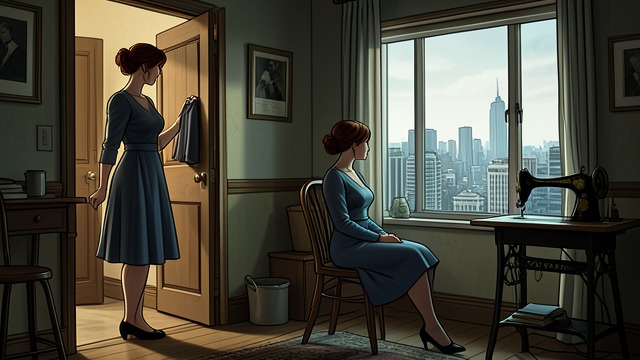
Clothing for the Body
Comfort and Movement
Celie designs pants that accommodate Shug's body and the demands of travel. Soft material and a flexible fit allow Shug to sing and move freely.
The garment treats the wearer as an individual rather than forcing her into a standard pattern.
Beauty on Her Terms
Shug likes how the pants look and moves through the house in them. The design joins comfort with glamour, refusing the idea that freedom must be plain or unfeminine.
Celie's work gives clothing a role in self-expression as well as utility.
Pockets for Care
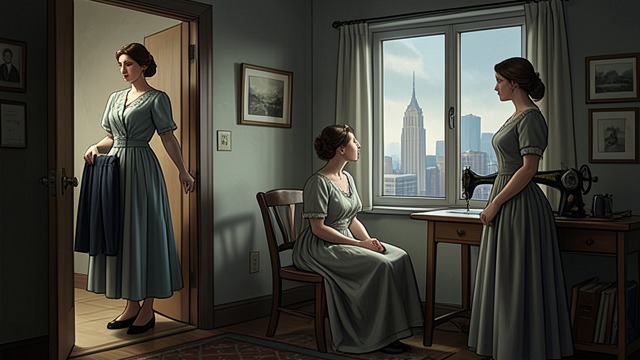
Pockets for Care
A Personal Design
Celie imagines pants for Jack that are sturdy, washable, and fitted for movement. She plans deep pockets for the small objects children need.
The design expresses how carefully she observes the people she loves. Craft becomes a means of showing affection without requiring grand declarations.
Work With Meaning
Jack's pants are functional but also intimate, shaped by Celie's understanding of his care for children and family. Her design makes ordinary needs visible.
The garment shows how creativity can hold relationships together.
A Business Against Dependence
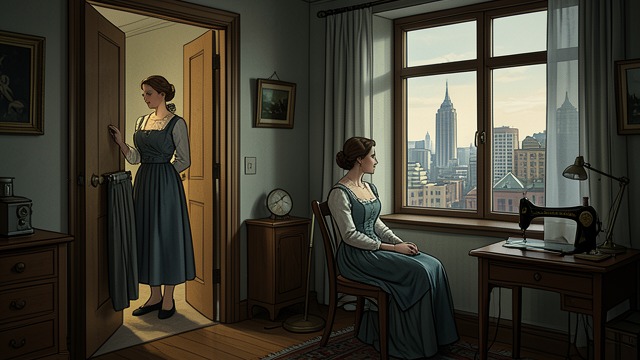
A Business Against Dependence
From Skill to Income
Customers request more pants, and Celie recognizes that the work can support her. She and Shug develop a plan to advertise, raise prices, and bring other women into production.
The move gives Celie greater control over her time and earnings.
Redefining Work
Pants-making turns labor that might have remained domestic into a public enterprise. Celie becomes a designer and employer whose decisions shape the business.
The garment's meaning expands from personal comfort to economic independence.
A Shared Wardrobe
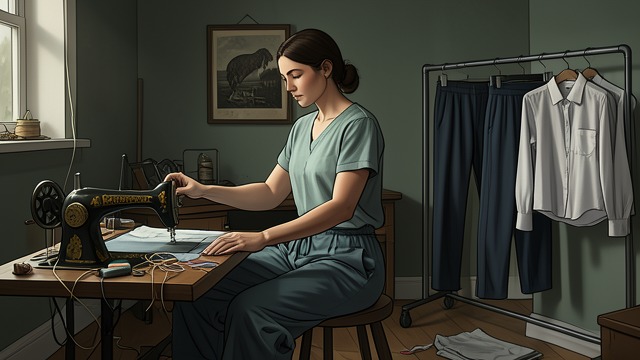
A Shared Wardrobe
Women Wearing Their Work
Celie's relatives and friends wear pants she has made. The garments appear in daily life as practical, attractive alternatives to restrictive expectations.
Their use makes Celie's ideas visible beyond her own body.
Authority Reimagined
Albert helps Celie sew and designs a shirt to wear with the pants. His participation challenges the assumption that men must control clothing and women must do the sewing alone.
Pants become one part of a wider change in how the community understands gender and work.
When Shug first proposes making Celie pants
When Celie designs Shug's first Memphis pair
When Celie designs pants for Jack
As Celie's orders multiply
After Celie returns to visit Harpo and Sofia
