Great Mystery
The Color PurpleGreat Mystery is the name the preface gives to the loving, pervasive divinity that The Color Purple approaches through Nature rather than patriarchal religious authority. It connects the novel’s spiritual argument to Celie’s journey: a person can move from feeling spiritually captive toward recognizing a sacred presence within herself and in the world around her.
Nature and the Divine
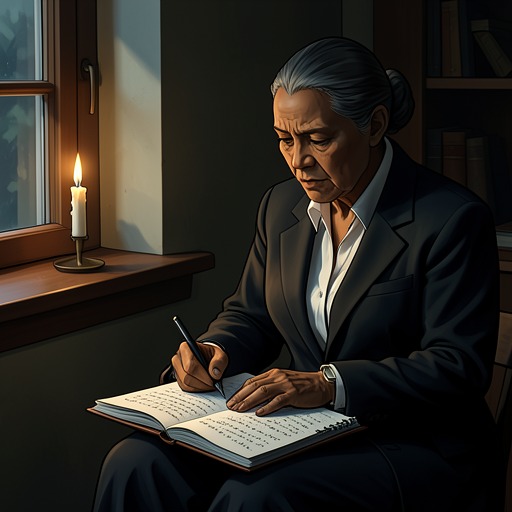
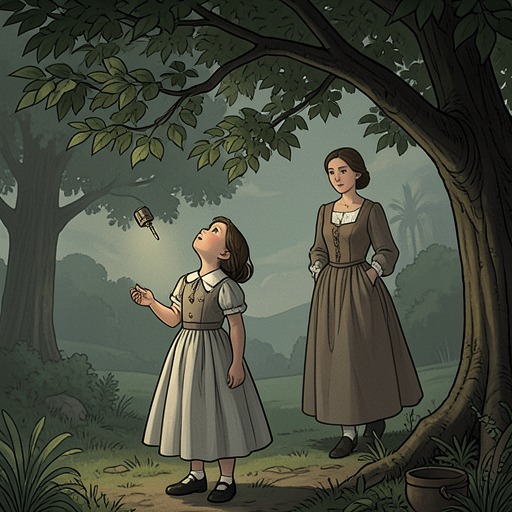
The preface describes the book as an examination of a journey from religion back to spirituality. Its author recalls being drawn, even during Sunday sermons, toward trees and wind, and identifies Nature as the setting in which this understanding of the sacred took shape. Great Mystery is not presented as a distant power available only through institutional teaching: the divine moves through the natural world and remains accessible to the poor and suffering as well as to anyone else.
The preface calls this presence the “Ultimate Ancestor” and also describes it as beyond understanding but not beyond loving. These names emphasize both its encompassing scale and the possibility of intimate connection. The divine is difficult to define, but that difficulty does not make it remote. In the author’s account, spiritual recognition begins when a person expects to encounter this presence wherever she is, rather than waiting to hear it through a sermon or another human voice.
From Religious Captivity to Connection
The preface links Great Mystery to Celie’s spiritual development. Celie begins as someone already held in spiritual captivity, but courage and the help of others enable her to recognize herself as an expression of the divine. The movement is not simply a rejection of belief; it is a change in what belief allows her to see. A distant, patriarchal conception of God gives way to connection with a sacred presence that can be encountered in ordinary life and in Nature.
The letters register this change in Celie’s address. After writing to Nettie, Celie states, “I don’t write to God no more. I write to you.” The line marks a turn toward a living human relationship, rather than establishing that spiritual questions have disappeared. When Shug Avery asks what happened to God, the question opens space for a different account of divine presence—one that does not require Celie to keep addressing an apparently unresponsive authority in the same way.
Shug Avery’s Immanent Theology
Shug Avery explains that God is inside Celie and inside everyone, and that people may discover this presence by searching inwardly; it may also become apparent through trouble and sorrow. She rejects assigning God a male or female identity, describing God instead as an “It.” This understanding makes divinity inward and shared rather than the exclusive property of a church, a gender, or a distant ruler.
Shug’s account also makes attention an aspect of spiritual life. She says that God loves what people love, along with much they do not, and especially values admiration—not as vanity, but as a wish to share what is good. Her example is the color purple in a field: overlooking that beauty is a failure to notice something the world offers, while the world’s continual creation of new things suggests that divine care includes delighting people in return. The purple image thus joins the novel’s spiritual idea to a concrete practice of perception.
Religious Authority and the Novel’s Contrast
The novel places this theology beside public religious speech that shames rather than nurtures. When Shug Avery is ill, the preacher uses his sermon to condemn the absent singer as sexually improper, listing her cigarettes, gin, performances for money, and relationships with other women’s men. Celie notices Albert’s silence as the sermon attacks Shug. The episode gives the conflict a social setting: religious authority can be used to stigmatize a vulnerable woman, while Shug’s account of God finds the sacred in shared life, inward searching, and attention to beauty.
The preface presents this contrast as central to the book’s purpose. Nature does not serve merely as scenery for spiritual belief; trees, wind, and the surprise of purple become ways of encountering what human speech and patriarchal religious imagery can obscure. Great Mystery names the presence Celie’s journey makes newly perceptible: not a remote judge to whom only formal prayer can reach, but a loving divinity that can be recognized within people and across the living world.