Harpo's juke joint
The Color PurpleHarpo's juke joint is a small, makeshift venue beside Harpo's house that grows from a struggling counter-service business into a gathering place for Shug Avery's singing. Its brief transformation depends on a practical change in attraction: rather than relying on Swain's music alone, Harpo brings back a singer whose name and performances can draw people from town. The place links food, music, promotion, and the question of who is permitted to enter and watch.
Setting and a Slow Start
Harpo's first effort is marked by a stark attendance pattern. Nobody comes during the first week; three or four people appear in the second; in the third, only one arrives. Harpo sits behind his little counter listening to Swain play, while the business has plenty to offer in material terms: cold drinks, barbecue, chitlins, and store-bought bread. A sign marked Harpo's is attached to the side of the house, with another sign placed out on the road, but the advertising and provisions have not yet produced a reliable clientele.
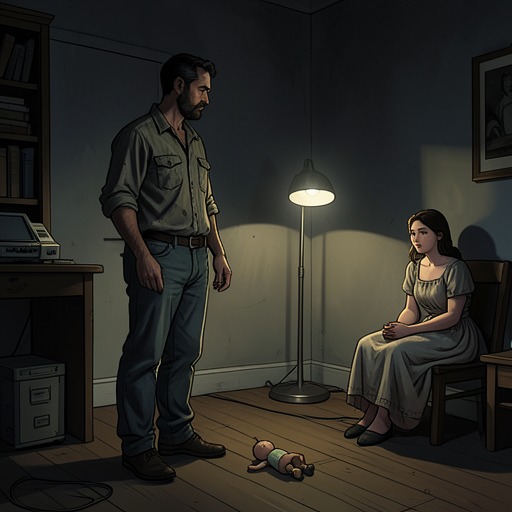
The contrast between visible preparation and near-empty business defines the location's opening phase. Harpo has set up a counter and advertised the place both at the house and along the road, yet he remains without customers. Celie approaches along the path and looks in from outside; Harpo looks out and waves. That small exchange makes the joint a place she can observe before she becomes part of its audience, while the counter places Harpo in the role of host waiting for the public to arrive.
The initial business relies on Swain's playing as its entertainment. Harpo later identifies the limitation himself: he doubts that people will travel out to hear Swain alone and wonders whether he can get the Queen Honeybee. The joint's position away from the road to town makes attracting people a practical problem, but the evidence also shows Harpo responding to that problem rather than abandoning the venture. He looks for a performer with a wider draw.
Shug Avery's Return to the Stage
Celie tells Harpo that Shug is much better and is often humming or singing; she thinks Shug may be glad to return to work. Shug is not presented as certain that Harpo's place matches the venues she has known before. She considers it a modest stage, but allows that she might grace it with a song. Her agreement changes the joint's prospects: the attraction is no longer only Swain's music, but Shug's return to public performance.
Harpo and Swain ask Mr. ____ for some of Shug's old announcements from a trunk. They cross out the former venue name, The Lucky Star of Coalman Road, replace it with Harpo's of _____ plantation, and put the notices on trees between the turnoff to their road and town. The reused handbills make the transition especially concrete: rather than commissioning new publicity, they adapt the signs that once announced Shug elsewhere and redirect her established name toward Harpo's. The road that had only carried a sign for an obscure new business becomes a route marked with invitations to hear a known singer.
The response is immediate on the first Saturday night: so many people come that they cannot all get inside. Some greet Shug as if they had thought she was dead; she answers with a grin, treating their surprise as evidence that they have found her again. The crowded room reverses the opening pattern of empty weeks. The joint's appeal has changed through the presence of a performer whom patrons recognize, and Harpo's improvised use of old announcements has helped make that recognition visible beyond the house.
Celie in the Audience
The performance also changes the joint's meaning for Celie. She describes this as the first time she gets to see Shug Avery work: to watch her and hear her. That access is not automatic. Mr. ____ objects that wives do not go to places like that, invoking a restriction on where a married woman should be seen. Shug answers the objection by insisting that Celie is going, and frames her presence as useful to her as a singer, imagining the possibility that she might become ill while performing or that her dress might come undone.
As Shug prepares, Celie presses her hair. Shug is wearing a tight red dress with straps like two pieces of thread, details that give the impending performance a visible, bodily presence. The scene makes the joint a threshold in Celie's experience: she moves from looking in at Harpo behind the counter to entering the audience for Shug's work. Shug's insistence counters Mr. ____'s claim about wives' proper conduct, though the account does not turn that dispute into a general change in the rules governing the venue.
A Place for Further Encounters
Harpo's juke joint remains a setting for encounters after Shug's return has filled it. One night, while Shug is singing a particularly lively song, Sofia comes through the door with a tall, hefty man who looks like a prizefighter. The entrance places Sofia within the joint's social world and gives the location a role beyond the event that rescued its attendance: it is a place where other characters can appear while Shug performs.
The evidence leaves the joint's longer-term business uncertain. It establishes an early run of poor attendance and a first Saturday night so crowded that not everyone can get in, but does not say how consistently the crowds continue. What it does show is how a bare counter, food, Swain's music, signs, borrowed announcements, and Shug's performance combine to make Harpo's a recognizable destination. Its importance lies in that transformation, and in the scenes of public presence it makes possible for Celie and Sofia.