Rainy season
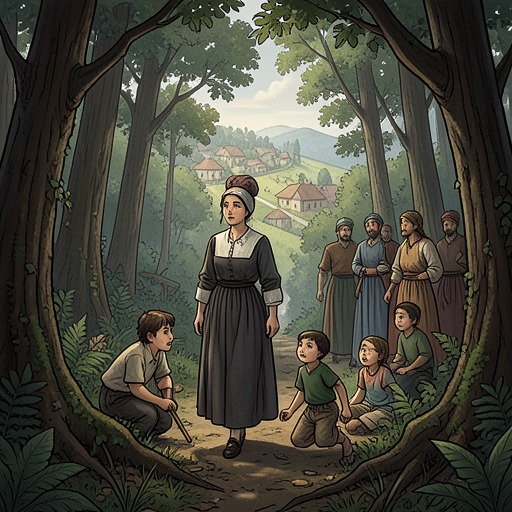
The Color PurpleThe rainy season is a recurring measure of danger and change in Olinka: it is the season of the storm that made roofleaf sacred, a period in which illness and death threaten the community, and a reminder that the land’s hardships are intensified by forces imposed from outside. Across Nettie’s account, seasonal time is not merely a backdrop. It shapes what the village remembers, whom it fears losing, and how sharply the destruction of home and livelihood is felt.
The Storm and the Roofleaf Story
The rainy season stands at the center of the Olinka account of roofleaf. In the story told during Nettie’s welcome, an earlier chief had taken more and more common land for crops and trade, including ground where roofleaf had grown in abundance. He ignored complaints from his wives and bought off the elders with axes, cloth, and cooking pots acquired from coastal traders. The tale ties the loss of roofleaf to greed and the concentration of land in one man’s hands before the storm ever arrives.
When a great storm came during the rainy season, every hut lost its roof. The villagers then discovered that the roofleaf had been replaced by cassava, millet, and groundnuts. For six months, rain tore at the mud walls; fierce winds blew rocks into cooking pots, and cold, millet-shaped stones fell from the sky, striking people and bringing fevers. Children fell ill first, followed by their parents. By the end of the season, half the village had died. The weather is described as an overwhelming force, but the story also makes the earlier depletion of roofleaf consequential: a resource once taken for granted was no longer available when the community most needed it.
After the rain stopped, villagers searched the old roofleaf beds and found only a few dozen roots. It took five years for the plant to grow plentiful again, and during that interval more villagers died, left permanently, became sick, or were eaten by animals. The chief was forced to leave, while his wives were given to other men. When every hut once again had a roof, the people celebrated with songs, dancing, and the telling of the story. Their worship of roofleaf therefore carries the memory of a season when the loss of a shared resource became a crisis of shelter, health, and survival.
Climate, Illness, and Loss
The danger of the rainy season remains part of everyday judgment long after the roofleaf story’s catastrophic storm. When Nettie argues that Tashi could become a teacher or nurse and help the village, Tashi’s father dismisses the missionaries’ capacity to change Olinka life. He points to the climate as a reason they may not endure: during the rainy season, some may die, and those who survive may be weakened by illness. His response expresses both skepticism toward outsiders and a practical awareness of the season’s physical dangers.
That danger becomes intimate when Tashi’s father falls ill with malaria during the last rainy season. The healer’s remedies do not save him; he also refuses the medicine used by Nettie’s household and will not allow Samuel to visit. Nettie’s account thus records not only a death associated with the season but the limits imposed by mistrust and refusal of treatment. His death is followed by an Olinka funeral: women paint their faces white, wear white garments like shrouds, and cry in a high keening voice; the body is wrapped in barkcloth and buried beneath a large forest tree.
For Tashi, the loss is also a turning point in family life. She had spent her youth trying to please her father without realizing that, as a girl, she could never satisfy his expectations. After his death, she and her mother, Catherine, grow closer. Catherine remains in mourning and stays near her hut, but she insists that Tashi must continue learning. The season’s association with illness and death is therefore joined to a change in the lives of those left behind: grief alters the relationship between mother and daughter and strengthens Catherine’s support for her child’s education.
Seasonal Vulnerability and the Road
Nettie’s account later describes a different kind of danger to Olinka’s land. A road that villagers had welcomed as a way to reach the coast was extended beyond the point they believed marked its completion. Armed roadbuilders continued for another thirty miles, cutting through the village and Catherine’s newly planted yam field. They leveled huts along the proposed route, as well as the church, school, and Nettie’s hut. The village was left divided by a tarmac road.
The road’s construction is not identified as taking place during the rainy season, and the account distinguishes it from the storm in the roofleaf story. Yet the contrast sharpens the significance of seasonal vulnerability. The storm is remembered as a destructive natural event that the community endured together and commemorated when roofs were restored. The road, by contrast, is imposed by armed workers who destroy homes and crops without the villagers’ consent. When the chief travels to the coast seeking an explanation and reparations, he returns with news that the territory, including the village, belongs to an English rubber manufacturer. The surrounding forests are being cleared for rubber cultivation. The seasonal account of a community exposed to loss of shelter and livelihood thus sits beside a new dispossession driven not by weather but by colonial development.
Narrative Significance
Across these episodes, the rainy season connects communal history with particular human losses. In the roofleaf story, seasonal catastrophe exposes the cost of exhausting a resource and makes the plant’s recovery the condition for celebration. In Nettie’s later account, the season marks the climate that outsiders fear and the time in which Tashi’s father dies. It therefore recurs not as a neutral calendar marker but as a period when illness, mortality, and dependence on the land become especially visible.
The contrast with the road’s destruction also clarifies the limits of describing Olinka’s hardship as natural. Storms and malaria are real dangers in Nettie’s account, but the loss of village homes, fields, school, and church comes through armed construction and a transfer of land to a foreign company. Seasonal vulnerability helps establish what is at stake; it does not explain away the human decisions that deepen that vulnerability. The rainy season’s recurring presence gives the community’s history a rhythm of exposure and endurance, while the road reveals how that endurance is tested by a different, deliberate force.