Sofia leaves Harpo
The Color PurpleSofia leaves Harpo in a departure shaped by both exhaustion and attachment. Tired of a marriage in which Harpo wants obedience rather than partnership, she considers taking their children to stay with her sister Odessa. When Odessa and her other sisters arrive in wagons, Sofia goes with them, carrying the children and a few household belongings. The separation is neither presented as simple escape nor as a clean end to love: Sofia admits that she still loves Harpo, but needs a break from the life they have made together.
Causes and Decision
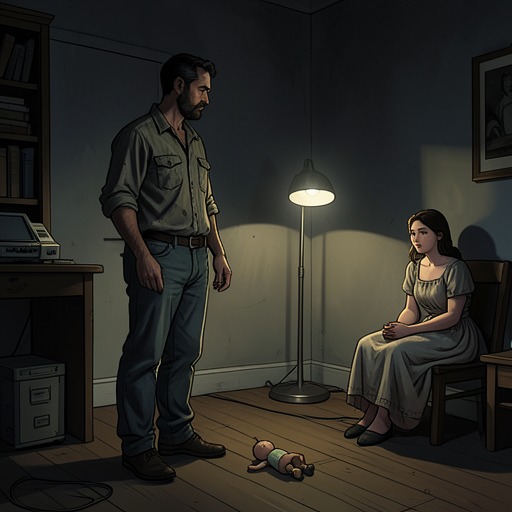
Sofia names the central conflict plainly: since their marriage, Harpo has focused on making her mind him. She experiences his demands not as the care of a husband but as an attempt to turn a wife into a subordinate. The strain is also intimate. She says that Harpo seems not to notice what she feels during sex, leaving her sense of him as attending only to himself. Her anger reaches the point where she says that this indifference makes her want to kill him. The account connects her wish to leave not to one isolated quarrel but to the steady experience of being disregarded and controlled.
Odessa offers a practical destination. Her husband has been drafted, and she is living on a small farm without children of her own; Sofia considers staying there for a while with her children. The possibility moves Celie sharply, because it calls to mind her own absent sister, Nettie, and the relief of having someone to run to. Sofia’s potential departure therefore touches more than the immediate marriage: it brings into view the difference between being trapped without refuge and having kin who can offer a place to go.
Sofia does not move from frustration to certainty in a straight line. She says she may not go, because deep down she still loves Harpo, then laughs and says she needs a vacation. Her words hold affection and fatigue together without resolving the conflict between them. Even while considering whether to leave, she returns to the work of making shingles for the roof. The ordinary labor continues as the decision remains unsettled, emphasizing how the strain of marriage is embedded in everyday life rather than confined to an argument.
Departure with Her Sisters
Sofia’s sisters arrive early one morning in two wagons. They are described as large, strong, healthy women, and their collective presence gives the departure practical force: Sofia is not setting out alone. She has little to pack beyond clothes for herself and the children, a mattress she made the previous winter, a looking glass, and a rocking chair. Celie adds a quilt at the last minute, thinking that the family may face cold weather and might otherwise have to sleep on the floor. These objects make the separation concrete. Sofia leaves with the necessities of a household, and Celie’s gift supplies one more measure of care for the uncertain life ahead.
Harpo remains on the steps, making a fishing net and acting as though he does not care. His occasional whistling sounds diminished beside his customary tune, which makes his composure seem less secure than it appears. When Celie asks whether he will let Sofia go, Harpo answers that she has made up her mind and he cannot stop her. His response acknowledges her choice rather than claiming authority to reverse it. The sisters move together through the house, their weight and activity making it shake, while Harpo and Celie sit outside and hear them. The contrast sets the women’s coordinated support against the quieter household Sofia is leaving.
At the final moment, Sofia hands Harpo the baby, places the baby on her hip, and shoulders a sack of diapers and food. She gathers the other children and tells them to say goodbye to their father, then hugs Celie as best she can while carrying the baby. She climbs into the wagon. Most of her sisters have a child between their knees as the wagons depart quietly past the yard and up the road. The children remain with Sofia, while Harpo is left behind; the scene makes the separation a family departure as well as a break between spouses.
Aftermath and Significance
Sofia’s departure does not erase her attachment to Harpo, but it changes the balance of the relationship: she acts on her decision, and he does not prevent her. Six months later, Harpo is described as a different man. Formerly a homebody, he is now often on the road. The account places this change after Sofia’s absence, marking the departure as a turning point in his life as well as hers, without reducing either person’s response to a simple resolution.
The event also links intimate conflict to a network of women’s care. Odessa’s offer gives Sofia somewhere to go; her sisters provide transport and accompany her; Celie contributes a quilt; and Sofia leaves with the children and the provisions she can carry. What Harpo had framed as a struggle to make his wife obey is answered by a decision supported by kin. In this sense, the departure marks a change from endurance within the marriage to movement beyond it, while preserving the emotional complexity of a woman who leaves despite still loving her husband.