
Folklore and Flood Evidence
The Colour Out of SpaceThis flow follows how reports of strange creatures in flooded Vermont move from local legends to evidence that unsettles Wilmarth’s scepticism.
increasing Bearing strength in each event
 decreasing
Bearing strength in each eventdecreasingFloods Reveal Strange Forms
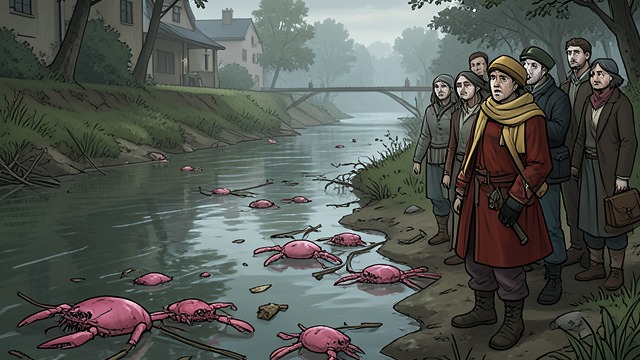
Bodies in the Water
Reports from Three Rivers
Witnesses describe pink, crab-like forms among the flood debris in several parts of Vermont.
Conflicting Interpretations
The sightings are easily dismissed as distorted views of human or animal remains, but their similarity attracts attention.
Old Stories Return
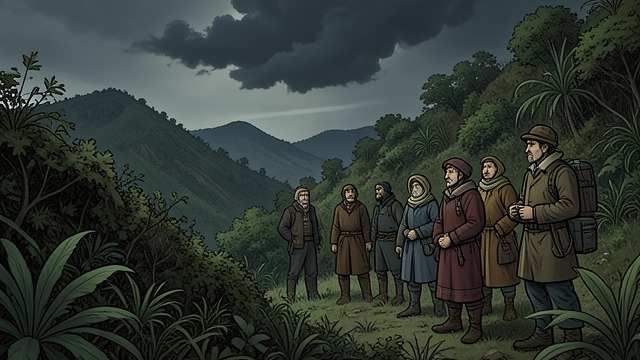
A Buried Tradition
The Hidden Beings
Old accounts describe winged creatures in remote hills and warn people away from their territory.
A Shared Pattern
The flood reports resemble these stories closely enough to revive a tradition many residents thought obsolete.
Wilmarth's Rebuttal

Scholarship Versus Rumour
A Folklorist's Case
Wilmarth compares the reports with widespread myths of hidden races and argues against taking them literally.
Public Argument
Letters and newspaper summaries turn the issue into a debate about whether folklore preserves distorted history.
Akeley's Evidence
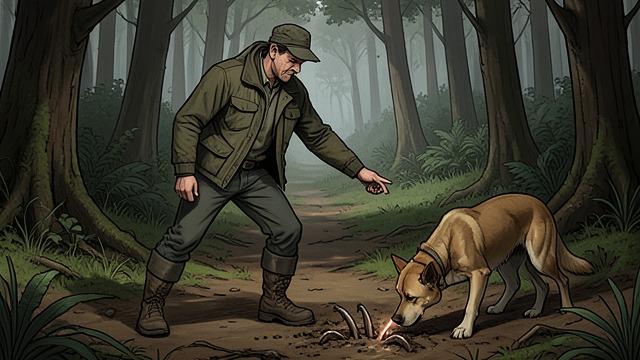
The Local Record
Tracks and Voices
Akeley describes claw-like footprints, strange voices, and objects connected with the hills near his home.
A Different Kind of Claim
His detailed testimony challenges the idea that the flood stories are explained by folklore alone.
The Legend Gains Weight
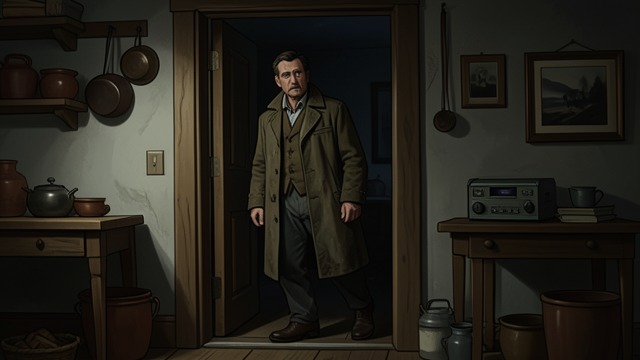
A Changed Interpretation
Direct Contact
Wilmarth encounters evidence that the hidden beings may exist and finds the farmhouse’s apparent safety deceptive.
Skepticism Survives as Doubt
He leaves without proof acceptable to others, yet can no longer return to his original confidence.
November 3, 1927, and the days after
Late 1927
Winter 1927–1928
Spring 1928
After Wilmarth's visit to Vermont
