
Royal Marriage and the Limits of Choice
The Constant PrincessThis thread traces how royal women’s marriages are arranged by state interests and how Catalina finds agency within that constraint.
increasing Bearing strength in each event
 decreasing
Bearing strength in each eventdecreasingThe Child Betrothed
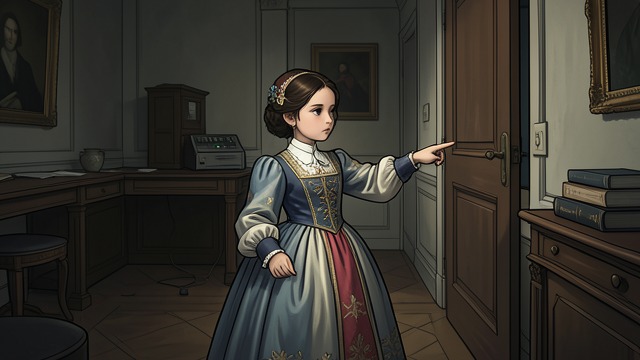
A Life Negotiated
A treaty in a child’s future
Catalina is betrothed to Arthur before she can understand the full cost of leaving home. Her marriage is an instrument of alliance.
Duty internalized
She learns to describe the arrangement as destiny and divine will. That belief helps her endure, but can also obscure the people making decisions for her.
Marriage as a Hardship
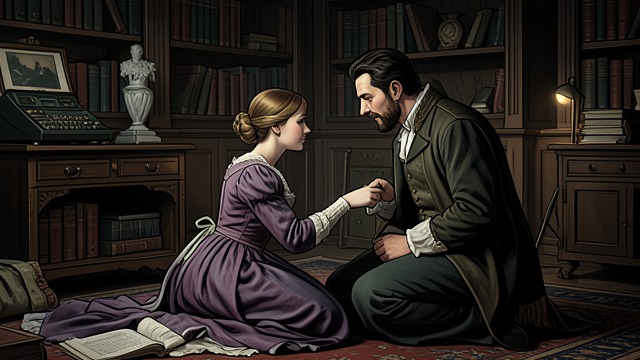
Intimacy Becomes Duty
A public expectation
The court expects the young pair to consummate their marriage and produce an heir. Private fear and inexperience are subordinated to dynastic need.
Catalina’s initiative
She takes responsibility for beginning their sexual relationship. Her action shows both agency and the pressure to perform an assigned role.
A Widow Chooses a Claim

Resistance Within the Bargain
No easy return
Catalina could return to Spain, but doing so would relinquish the future she has been taught to expect. She chooses to remain in England.
A marriage proposed for herself
She refuses Henry VII’s proposed marriage and insists that she should marry Harry. Her choice is constrained, yet it is strategically her own.
A Queen Within Marriage
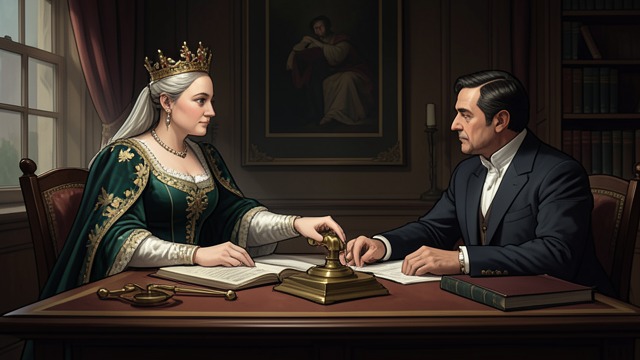
Influence and Dependence
Power exercised indirectly
Katherine governs through counsel, administrative work, and Henry’s trust. Her authority is real but depends on her continued place as wife and queen.
The cost of service
Her political position does not eliminate vulnerability to adultery, pregnancy loss, or succession crisis. Marriage grants her power while keeping her exposed.
A Queen Commands Beyond Custom
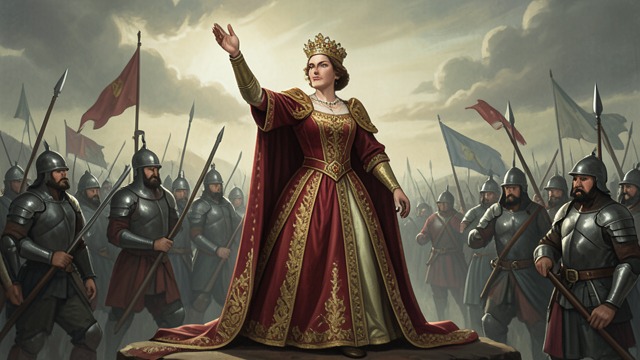
Agency Made Public
Taking command
Katherine leads troops and accepts the danger of military responsibility, refusing to remain a ceremonial figure. Her authority exceeds the conventional limits placed on queens.
Duty transformed
She does not merely obey a husband’s command; she acts from her own judgment about England’s survival. Political agency emerges through risk and performance.
From childhood to 1501
November 1501, during Catalina and Arthur’s first night
1502–1503, after Arthur’s death
1509–1513, during Katherine’s marriage to Henry VIII
September 1513, at Flodden
