
Henry VIII Grows into Power
The Constant PrincessThis thread traces Henry’s transition from indulged second son to young king, with Katherine acting as both partner and corrective influence.
increasing Bearing strength in each event
 decreasing
Bearing strength in each eventdecreasingThe Favorite Second Son
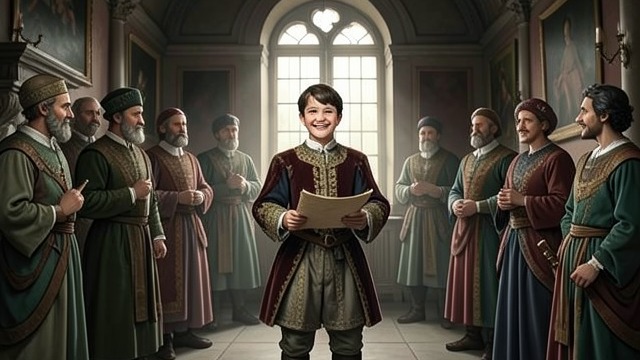
A Boy at Court
Charm and display
Harry meets Catalina with exuberance, boasts of his talents, and seeks admiration. His ease contrasts with Arthur’s reserve.
A habit of indulgence
The court has rewarded his energy more than disciplined his judgment. The traits that make him delightful also foreshadow difficulties in rule.
An Heir’s Sudden Burden

The Second Son Inherits
A changed succession
Arthur’s death makes Harry the heir, although his preparation has not matched his brother’s. His childhood of relative freedom ends in a new political role.
Uneasy succession
The Tudors still fear rival claimants and unstable inheritance. Harry’s future becomes inseparable from Catalina’s contested position.
A King at Eighteen
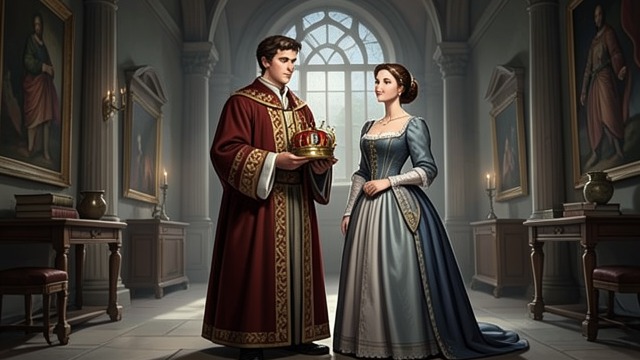
Freedom and Authority
A joyful accession
Harry becomes Henry VIII and quickly embraces courtly pleasure, generosity, and public admiration. The young king sees kingship as both authority and celebration.
A marriage choice
He chooses Catalina, helping resolve a long diplomatic impasse. His choice begins a close relationship in which he relies on her political steadiness.
A King Guided by His Queen
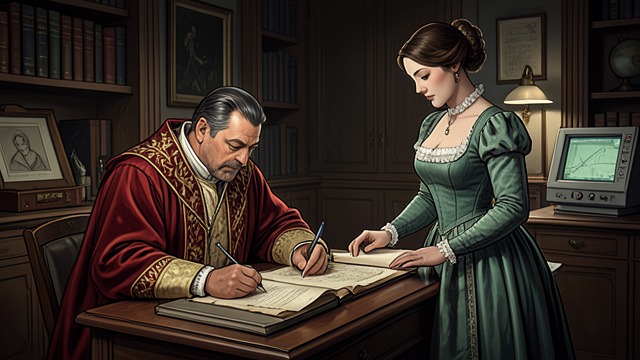
Influence Without Formal Rule
Delegated attention
Henry lets Katherine prepare correspondence, household accounts, and policy. Her competence allows him to avoid detailed work while retaining the appearance of command.
Growth and dependency
She hopes to guide him toward responsible rule. His trust gives her power but also leaves the kingdom vulnerable to his changing desires.
The Young King Goes to War
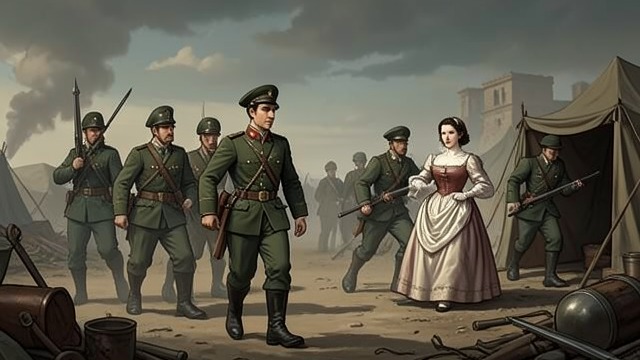
Glory and Inexperience
A first campaign
Henry longs to win military glory and crosses to France with an army. Katherine supports the campaign while managing the more immediate threat from Scotland.
Lessons from danger
Reports of casualties and political maneuvering expose the gap between chivalric spectacle and real war. Henry’s ambition remains, but the experience complicates his confidence.
Autumn 1501, during Catalina’s arrival
April 1502, after Arthur’s death
April–June 1509, after Henry VII’s death
Summer 1509–1511, during the early reign
1513, during the campaign in France
