
Warwick’s Death and Catalina’s Guilt
The Constant PrincessThis thread traces the execution of Edward Plantagenet and the moral burden Catalina carries as the marriage alliance is secured.
increasing Bearing strength in each event
 decreasing
Bearing strength in each eventdecreasingA Condition for Marriage
The Price of Assurance
A rival claimant
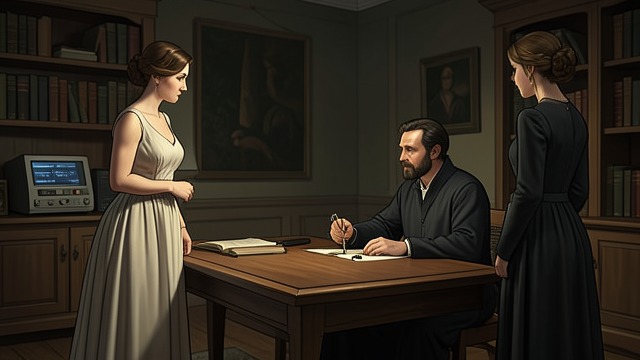
Ferdinand II of Aragon refuses to send Catalina while Edward Plantagenet, Duke of Warwick, remains alive. The marriage contract is entangled with Tudor fears of rival claims.
A life exchanged
The condition makes Catalina’s safe succession seem dependent on another person’s death. She is not consulted, yet the benefit is assigned to her.
The Execution Remembered
A Death Behind the Wedding
A convenient charge
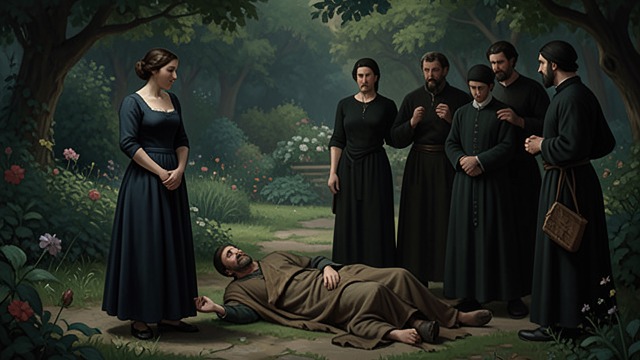
Warwick is executed after a supposed escape plot. Catalina understands that his innocence and limited understanding did not protect him from political necessity.
A private prayer
She cannot openly mourn without challenging her parents’ policy. In the Alhambra gardens, she asks forgiveness for a death arranged to smooth her path.
A Blood-Bought Wedding
Public Celebration
Dynastic triumph
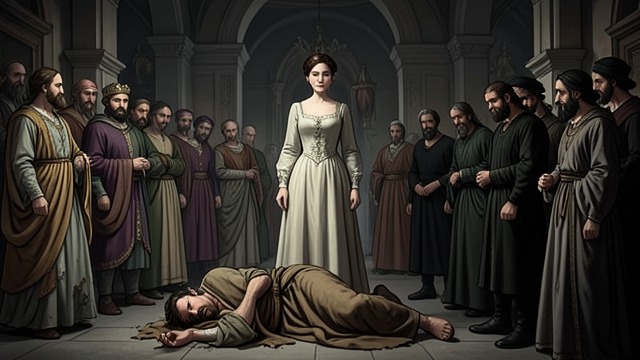
The wedding presents the Spanish-Tudor alliance as a foundation for peace and succession. The grandeur of the ceremony hides the violence that helped make it possible.
A moral fracture
Catalina wonders whether happiness can grow from an innocent man’s execution. The question remains beneath her early confidence in destiny.
Margaret Pole’s Forgiveness

Facing the Victim’s Family
An anticipated judgment
Catalina fears meeting Margaret Pole, Warwick’s sister, believing that his blood stains her marriage. She expects accusation and cannot bear the prospect.
A different answer
Margaret refuses to assign the king’s actions to Catalina. Her compassion releases the princess from false personal guilt without erasing the political injustice.
The Lesson of Complicity

Guilt Reconsidered
Grief changes judgment
After losing her infant son, Katherine begins to question the certainty with which her parents justified harsh policies. Private suffering makes abstract political costs harder to dismiss.
A wider moral view
Warwick’s death remains part of a pattern in which rulers sacrifice individuals for security. Katherine’s later restraint reflects a growing awareness of what such choices cost.
Before Catalina’s departure for England, 1501
Autumn 1501, while Catalina prepares to marry
14 November 1501, in London
March 1502, at Ludlow Castle
1511, after the death of Prince Henry
