
Henry VII’s Fear of Pretenders
The Constant PrincessThis thread traces the Tudor regime’s fear of rival claims and how that fear shapes Catalina’s marriage, conscience, and political position.
increasing Bearing strength in each event
 decreasing
Bearing strength in each eventdecreasingA Crown Won at Bosworth

Conquest Creates a Dynasty
Henry Tudor’s victory
Henry Tudor takes the English crown after defeating Richard III. His claim is strengthened by victory and marriage, but remains vulnerable to rival interpretations.
Fear becomes policy
The new dynasty understands that a lost battle could undo its legitimacy. Security becomes a constant concern of Tudor government.
Warwick Removed

A Claimant Executed
Political risk
Edward Plantagenet, Duke of Warwick, possesses a stronger hereditary claim than Henry VII. His existence makes the succession vulnerable in the eyes of both courts.
A brutal solution
Warwick is executed after a supposed plot. The act secures the Tudor line while creating the moral burden Catalina later carries.
A Marriage Made Safer

Alliance and Elimination
A condition imposed
Ferdinand will not send Catalina while Warwick lives. The Spanish marriage alliance becomes linked to removing a possible rival claimant.
Security at a cost
The arrangement shows that royal marriages do not simply join families; they can alter who is allowed to survive. Catalina’s future begins under the shadow of succession violence.
Henry VII Guards His Inheritance

The King’s Logic
Rule by victory
Henry VII tells Catalina that he is king because he won the crown and holds it. In his account, legitimacy follows successful possession.
Catalina’s objection
She believes royal blood and God’s will establish a rightful heir. Their exchange exposes competing definitions of who may rule.
Mary’s Claim in the Tribunal
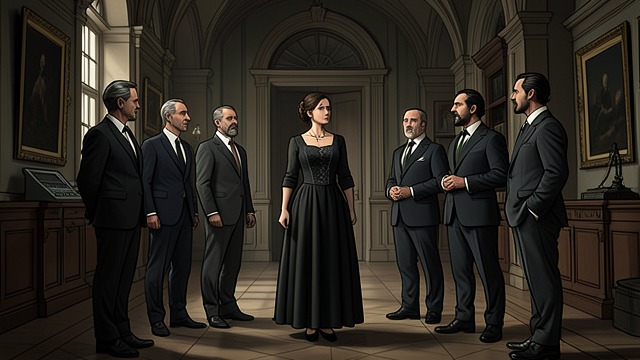
The Old Fear Returns
A marriage questioned
Henry VIII’s attempt to end his marriage threatens Mary’s status and reopens the question of dynastic legitimacy. A new queen could displace the existing heir.
Katherine resists erasure
Katherine’s defense protects her daughter’s claim as well as her own title. Tudor fear of unstable succession has come full circle.
1485, after the Battle of Bosworth
1499, before Catalina’s English marriage
1501, before Catalina’s wedding
1502, during conversations with Catalina
June 1529, during the King’s Great Matter
