Catalina's Dowry Plate
The Constant PrincessCatalina's Dowry Plate was a collection of valuable household goods caught between the financial terms of a royal marriage and the daily cost of maintaining a household. Its changing status—from proposed substitute for unpaid dowry, to contested royal property, to food money—shows how dynastic bargaining reached into Catalina of Aragon’s ordinary means of living and narrowed her choices.
A Dowry Paid in Goods
The dispute began with an incomplete payment. Ferdinand II of Aragon had agreed to a substantial dowry but sent Catalina to the English court with only half the money. He proposed that the balance be made up from the plate and treasure she had brought as household goods. Henry VII of England demanded the full amount, while Ferdinand’s position was that the royal household could take its pick from the goods supplied to the Infanta.
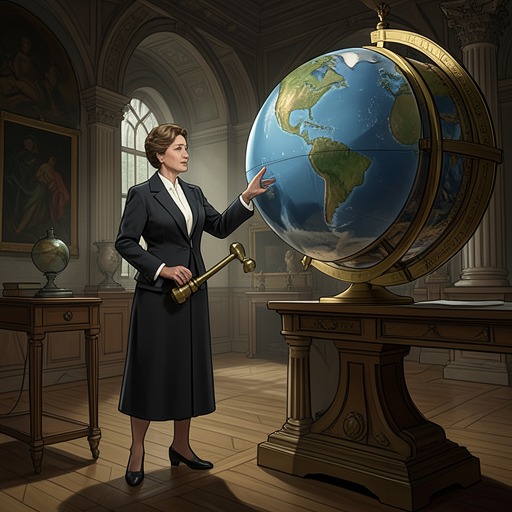
The plate was therefore more than a set of furnishings: it stood in for money that had not arrived. The two kings’ competing claims made Catalina’s household goods part of a negotiation between fathers-in-law, although she had to live among the consequences. At Ludlow Castle, she ate from her gold plates night after night. Margaret Pole reasoned that sending the couple there may have served Henry’s interests: unlike a stay at one of the royal residences, it required the household to use Catalina’s own goods. Each careless knife mark, Margaret believed, diminished their value. If the plate ceased to be worth the unpaid balance, Ferdinand might have to pay the difference in cash.
Use, Value, and Household Need
Catalina was left between her father’s instructions and Henry’s refusal to accept the plate as payment. Ferdinand had told her not to use it and to give it to the king; Henry would not accept it in place of the money he demanded. Meanwhile, he provided no household allowance, and Catalina said that the unpaid dowry left her without provision. The same goods that were supposed to resolve the financial disagreement were thus neither safely hers to spend nor accepted by the king as settlement.
The dispute also reached into the management of her household. Doña Elvira and Catalina’s treasurer argued over whether the goods and treasure should be lent to goldsmiths to raise money or kept in the treasurer’s custody until the king was paid. Catalina had no good advice from Dr. de Puebla, whom she regarded as serving the Tudor interests rather than Aragon’s. She was reluctant to ask Prince Arthur for money, despite the expenses of her journey, her ladies’ wages, and the need for new gowns, because she feared appearing greedy. The plate existed within that larger predicament: valuable enough to become the focus of negotiation, yet entangled in claims that left Catalina short of ready support.
The Plate in the Widowhood Settlement
After Arthur’s death, the financial dispute acquired new urgency. In a letter, Catalina’s mother instructed her to remain where she was until she had taken another course and knew whether she was with child. If she was not, she was to seek her jointure as Dowager Princess of Wales and leave for Spain only after receiving the money. If she was pregnant, she was to press for the dowry to be paid in cash and at once, as well as for her allowance. The letter treated Catalina’s future as a question of payment, provision, and succession; the plate remained part of the larger unsettled dowry claim.
Dr. de Puebla told Catalina that Henry owed her a third of the revenues of Wales, Cornwall, and Chester as Arthur’s widow, while her parents were also asking for the return of the dowry. He advised her that she should have handed over the plate on arrival. Catalina’s angry reply—asking what she was supposed to eat from—made the practical contradiction plain. The contract could list payments and property, but it did not supply her household while those claims remained unpaid. She insisted that Henry owed the dowry and jointure, and that he could not simply take her plate as well.
Henry later proposed setting aside the dowry question: Catalina’s goods would be absorbed into his household, and he would provide her with an allowance. The proposal would have ended the plate’s status as a separately disputed asset by incorporating it into the royal household. It did not mean that Catalina had obtained the dowry payment she had sought; rather, the arrangement placed her goods and future support under Henry’s terms.
Sale and the Cost of Waiting
During the long delay over her marriage to Harry, the plate became a resource of last resort. Catalina sold her jewels and turned the panels on her gowns; she also sold her precious plate to goldsmiths, one gold piece at a time. She understood that the plate belonged to the king, and that each piece she pawned or sold could put her hoped-for wedding further away. But her household needed food, and she could not pay its members’ wages or ask them to go hungry alongside her.
The collection’s trajectory gives the financial conflict a material measure. First it represented the missing half of a royal dowry; then its use threatened to reduce its value; finally, its gradual sale helped sustain Catalina and her household through poverty. The plate did not resolve the dispute or secure the marriage. Its slow conversion into money instead records the cost of waiting: a dynastic asset consumed, piece by piece, to meet immediate needs while Catalina’s future remained unsettled.