Funeral of Prince Arthur
The Constant PrincessArthur, Prince of Wales, was buried on St. George’s Day after a funeral procession from Ludlow to Worcester struggled through flooded roads and fields. The ceremony brought hundreds into the streets to mourn the young heir, while the household servants’ final act of breaking their staves of office made the loss a personal ending as well as a public one. For Catalina, the funeral was followed by a month of seclusion in which she tried to contain a grief she feared she could not control.
The Journey to Worcester
The funeral party made its way from Ludlow to Worcester in relentless rain. Floodwater covered the lanes and water meadows; the River Teme had burst its banks, leaving the fords impassable. Horses could not manage the mud, so bullock carts carried the funeral procession. By the time the party reached Worcester, the black cloth and plumage used for the ceremony were soaked.
The difficult journey gave the funeral a stark setting. The procession did not move with the ease expected for a prince; it struggled through a landscape made almost impassable by weather and floodwater. Arthur was described as the first prince of all England, and the hazards of the route accompanied the passage of his coffin from Ludlow to its burial place.
The Burial and Public Mourning
Hundreds of people came out to watch the cortege pass through Worcester toward the cathedral, and many wept for the loss of the young prince. After Arthur’s coffin was lowered into the vault beneath the choir of Worcester Cathedral, the servants of his household broke their staves of office and threw them into the grave. Their gesture marked the end of their service to a master whose youth and promise had shaped their hopes.
The burial thus joined public mourning to the dissolution of Arthur’s household. The crowd grieved for the heir, while his servants enacted the end of their own place in his service. The funeral’s conclusion carried a wider sense of rupture: Arthur was gone, and the future his household had anticipated with him could no longer be fulfilled in the same way.
Catalina’s Seclusion
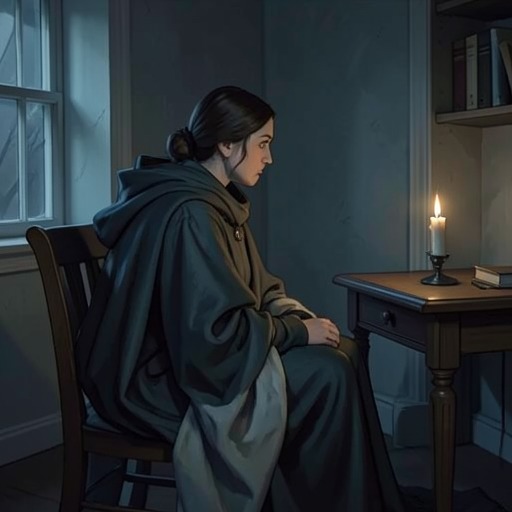
For the first month of mourning, Catalina remained in her rooms. Margaret Beaufort and Doña Elvira told others that she was ill but not in danger; privately, they feared for her reason. Catalina did not publicly rail against her fate or seek comfort through visible displays of grief. She lay turned toward the wall, resisting what she feared would become an ungovernable collapse if she gave way to weeping.
Her silence was not an absence of grief but an effort to contain it. The account describes the month of seclusion as requiring all her will and strength. The funeral’s public ceremony had ended with Arthur’s burial, but Catalina’s bereavement continued in private, shaping the first weeks of her widowhood.
Loss and the Queen to Come
Years later, Catalina was crowned Queen Katherine of England. At her coronation she received the holy oil, the scepter, and the ivory wand, and understood the ceremony as the fulfillment of the destiny she had promised herself she would reach. Yet the account also connects the coronation’s emotional meaning to Arthur: the remembered ceremony remained bound to her longing for him.
The contrast gives Arthur’s funeral significance beyond the closing of his household. Catalina later took an active role in the kingdom and worked with the Privy Council toward aims she and Arthur had shared. The funeral records the end of their life together and the loss around which her subsequent identity as queen took shape; it does not erase the hopes she continued to associate with him.