William Compton
The Constant PrincessWilliam Compton is a close companion of Henry VIII whose easy intimacy with the king makes him a defining presence among the young courtiers known as the Minions. The narrative first presents him as a genial, foolish friend, then places him near a court scandal involving Anne Stafford and a dispute with the Duke of Buckingham. His importance lies partly in that uncertainty: he is named as a possible participant and shield, but the evidence does not settle what happened.
Place at Court
Compton belongs to a new generation at court, sharply contrasted with the older men who had endured hardship and the loss and recovery of their lands. The Minions, by contrast, are young men whose lives have not been tested in the same way. Their circle is associated with mad bets and jests, and, according to gossip, continues its revels late into the night. Its members boast of drinking bouts, fights, chases, attacks, and pursuits by fathers wielding cudgels; these are descriptions of the group’s conduct, not specific acts attributed individually to Compton.
The older members of the court criticize the king’s companions. Katherine declines to join those complaints, judging that Henry is young and that the young men are not seriously harmful. Her account allows Compton’s foolishness and the group’s rowdy reputation to coexist with her view that they can be sweet when not drinking.
Friendship with Henry VIII and Katherine
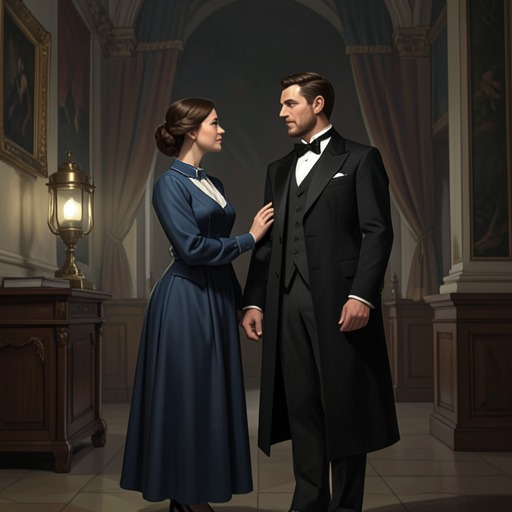
Compton is described as Henry’s best friend. The two are so close that they go about with their arms around each other’s shoulders, seeming as ready to dance as to fight. Their physical ease conveys the intimacy of a friendship that is also part of the king’s public court life.
Compton’s manner toward Katherine is playful and flattering. He mock-adores her in a way that amuses those around them, while other Minions pretend to be in love with the queen, dedicate verses, and sing songs to her. Katherine encourages these performances and makes sure Henry knows that his own songs and poems are the best. Compton’s place in the circle thus includes not only companionship with the king but also a familiar, joking relationship with the queen.
Anne Stafford and Court Rumor
The account later links Compton with Anne Stafford, identified as the younger sister of Elizabeth and as a woman popular among the young men at court. She is said to have been meeting Compton secretly and having assignations with him. Her brother is described as deeply upset and has informed her husband, who is furious that she has risked her reputation and his good name through a flirtation with the king’s friend.
Katherine regards Compton as one of Henry’s wilder companions and calls him a heartbreaker, suggesting that she sees his conduct with Anne as unserious or likely to cause hurt. The account does not establish the full nature or outcome of their meetings. It presents them through court gossip, family anger, and Katherine’s judgment rather than through a direct account from Compton or Anne.
The Buckingham Quarrel and Compton’s Ambiguous Role
When Katherine asks about unrest at court, Henry makes light of a quarrel with Edward Stafford, Duke of Buckingham, who has left court in anger. Henry says Buckingham was insulting and adds that Elizabeth, described as his sour sister, can leave as well. His loud, jovial manner appears to Katherine to be an act meant to suggest that nothing troubles his conscience.
Later, when they are alone, Katherine asks Henry for the truth about the quarrel and his dealings with Buckingham’s sister. Henry offers an account involving a masquerade, disguises, and masked ladies dancing with the men; in his story, Compton and Anne dance together. Katherine recognizes the account as a lie before he has finished. She believes Anne had been Henry’s lover and asks whether Compton had been Henry’s friend and shield. This is Katherine’s suspicion, not a confirmed explanation of Compton’s actions. The episode makes his closeness to Henry potentially compromising: the king’s most intimate companion may have helped conceal an affair, but the narrative leaves that possibility unresolved.