Atbash Cipher
The Da Vinci CodeThe Atbash Cipher is a fundamental cryptographic device in The Da Vinci Code, serving as the final step in deciphering the Priory keystone. It is a reflectional substitution code based on the twenty-two-letter Hebrew alphabet, where the first letter (Alef) is replaced by the last (Tav), the second (Beit) by the second-last (Shin), and so on. The cipher dates back to 500 B.C. and is a common classroom example of a rotational substitution scheme. In the novel, it is used to transform the eight-letter name of a pagan fertility god into a five-letter ancient word of wisdom that unlocks the cryptex containing the map to the Holy Grail.
Cryptographic Function and History
The Atbash Cipher is introduced by Sophie Neveu, who recognizes it from her cryptology training. It is described as a simple substitution code based on the twenty-two-letter Hebrew alphabet, where the first letter is substituted by the last, the second by the next to last, and so on. The cipher is noted for its historical use in the Kabbala, the Dead Sea Scrolls, and the Old Testament, where Jewish scholars and mystics have found hidden meanings. Leigh Teabing explains that the Priory of Sion would certainly include the Atbash Cipher as part of their teachings, given its ancient and sacred origins. The cipher's application in the novel is a direct link to the cryptographic traditions of the Hebrew alphabet, which lacks written vowels, requiring the word "Baphomet" to be transliterated into its consonantal Hebrew form before the cipher can be applied.
Application to the Keystone
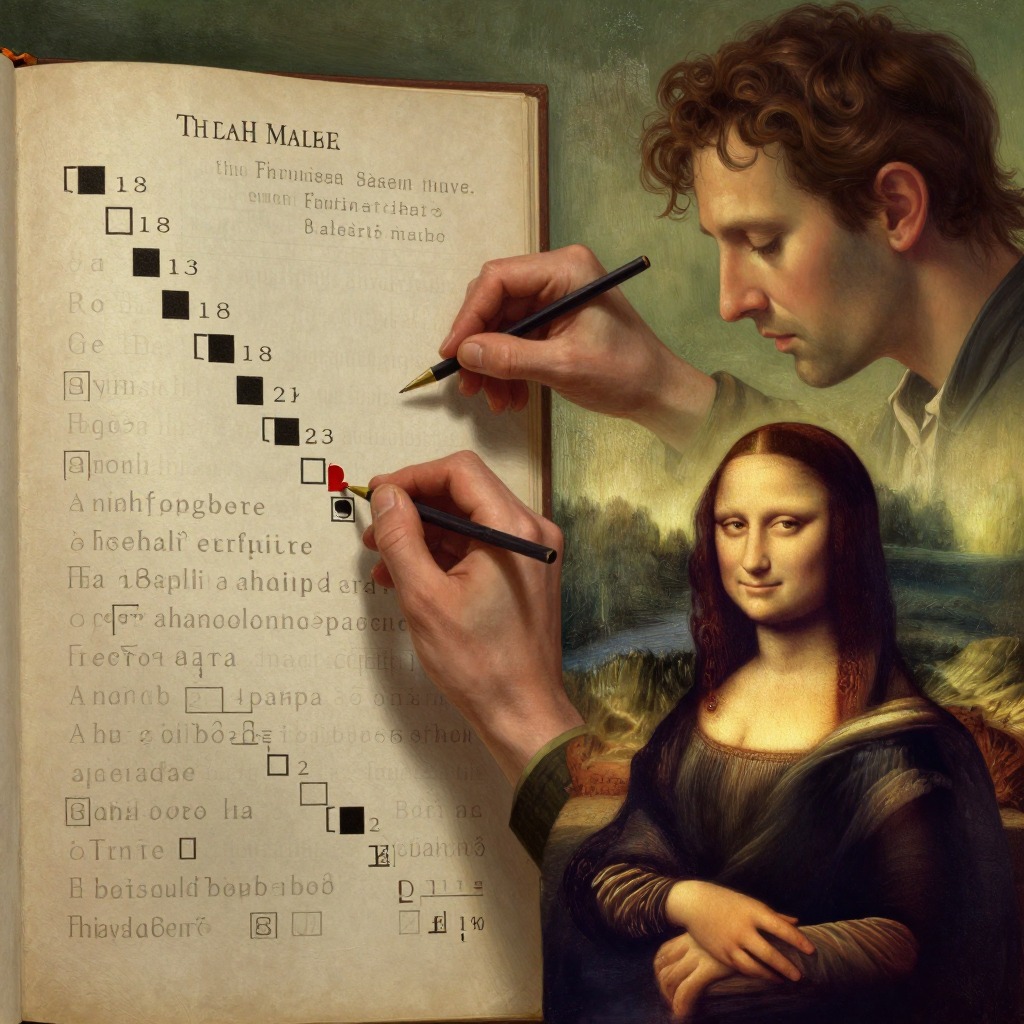
The Atbash Cipher is the mechanism by which the password for the cryptex is derived. The poem on the rosewood box instructs that "atbash will reveal the truth to thee." The characters first identify the "headstone praised by Templars" as Baphomet, a pagan fertility god whose name has eight letters. Because the cryptex has only five dials, they transliterate Baphomet into Hebrew, losing its three vowels and leaving five letters: B-P-V-M-Th. Sophie Neveu then demonstrates a simplified method for applying the Atbash Cipher, known as the "fold-over," where the first half of the alphabet is written left to right and the second half right to left. This substitution matrix translates B-P-V-M-Th into Sh-V-P-Y-A, which, when accounting for Hebrew's flexible pronunciation of Sh as S and Vav as O, spells "Sophia," the Greek word for wisdom. This password, meaning "ancient word of wisdom," directly references Sophie's own name and unlocks the cryptex.
Narrative and Thematic Significance
The Atbash Cipher functions as a narrative device that validates Sophie Neveu's cryptographic expertise and connects her personal identity to the ancient secret. The password "Sophia" is a direct anagram of her name and the Greek word for wisdom, reinforcing the novel's theme of the sacred feminine and the recovery of lost knowledge. The cipher's application also demonstrates the Priory's method of encoding secrets within layers of symbolism, requiring both cryptographic skill and cultural knowledge to decode. The successful use of the Atbash Cipher to open the cryptex marks a turning point in the plot, allowing the characters to access the final clue that leads them to the location of the Holy Grail. The cipher thus serves as both a practical tool for plot progression and a symbolic representation of the novel's central theme: that hidden truths can be revealed through the application of ancient wisdom and the restoration of the feminine principle.