Merovingian
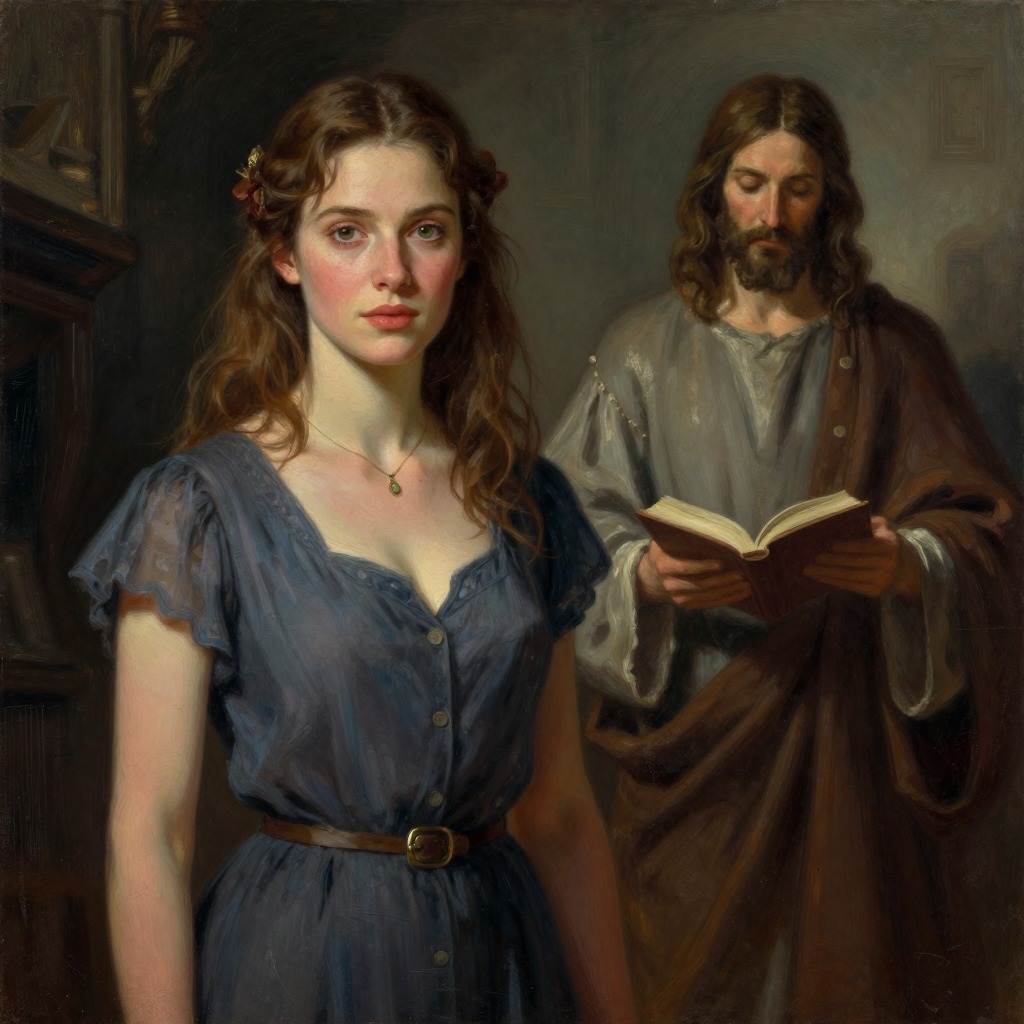
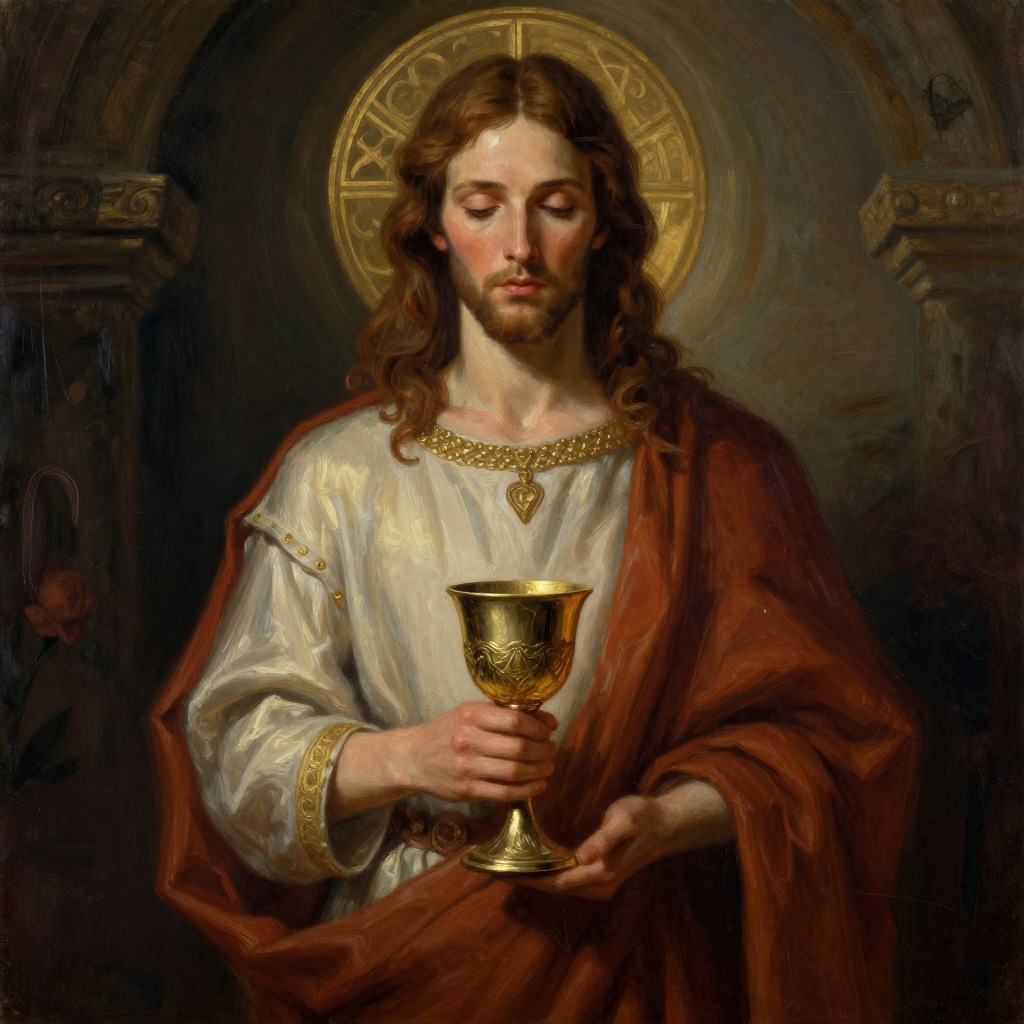
The Da Vinci CodeThe Merovingian bloodline is the central secret of the Holy Grail legend as presented in The Da Vinci Code: the claim that Jesus Christ married Mary Magdalene, fathered a child, and that their descendants survived into modern times. This bloodline, protected by the Priory of Sion, is the true meaning of the Sangreal—the "royal blood"—and its existence is the explosive truth that the Church has allegedly suppressed for two millennia. The revelation that Sophie Neveu is a descendant of this lineage transforms her personal identity and becomes the ultimate prize in the novel's conflict.
Origins and Historical Context
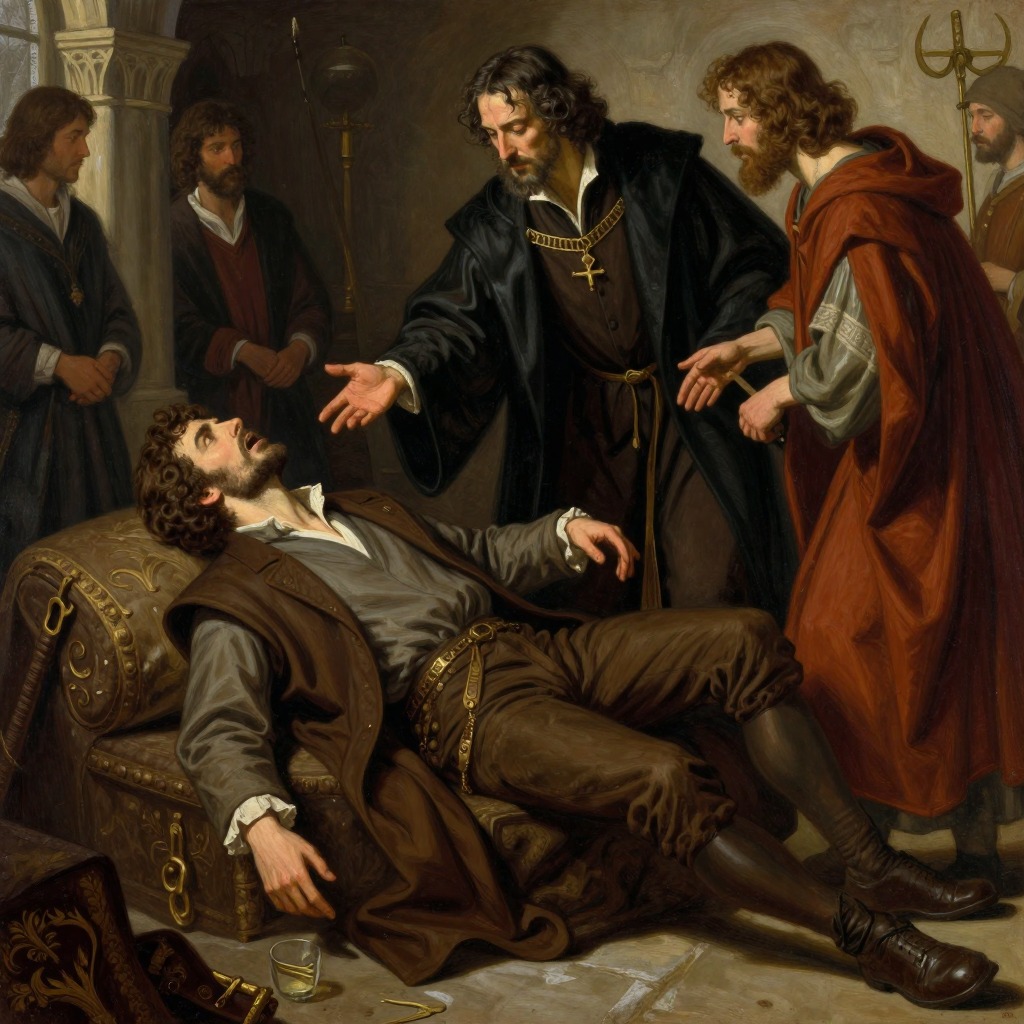
According to the Priory of Sion's teachings, as explained by Leigh Teabing, Mary Magdalene was pregnant at the time of the crucifixion and fled the Holy Land for Gaul (modern France) with the help of Joseph of Arimathea. There she gave birth to a daughter named Sarah. The child belonged to the lineage of Jewish kings—David and Solomon—and the Jewish community in France revered Magdalene as sacred royalty. The Merovingian bloodline emerged in the fifth century when Christ's descendants intermarried with French royal blood, creating a lineage that founded Paris. The Merovingian king Dagobert was assassinated in the late seventh century by the Vatican in collusion with Pepin d'Heristal, an attempt to exterminate the line. Dagobert's son Sigisbert escaped, carrying on the lineage that later included Godefroi de Bouillon, founder of the Priory of Sion.
The Priory's Threefold Charge
The Priory of Sion's mission is threefold: to protect the Sangreal documents (the tens of thousands of pages of pre-Constantine writings, including the "Q" Document and Mary Magdalene's diaries), to protect the tomb of Mary Magdalene, and to nurture and protect the bloodline of Christ—those few members of the royal Merovingian bloodline who have survived into modern times. The brotherhood's existence is dedicated to preserving this secret, and its top four members—the Grand Master and three sénéchaux—are the only ones who know the location of the Holy Grail. The decapitation of the Priory by killing all four top members in one night is the catalyst for the novel's plot.
Sophie Neveu's Identity
Sophie Neveu is revealed to be a descendant of the Merovingian bloodline. Her parents, both from Merovingian families (Plantard and Saint-Clair), changed their names for protection. After their suspicious car accident—which the Priory feared was murder by the Church—Sophie's grandmother Marie Chauvel and her brother went into hiding with the Priory, while Sophie was raised in Paris by her grandfather, Jacques Saunière, the Grand Master. The family was separated for safety, and Sophie was told her grandmother and brother had died in the same accident. The truth is revealed at Rosslyn Chapel, where Sophie reunites with her grandmother and meets her brother, who works as a docent there.
Thematic Significance
The Merovingian bloodline represents the novel's central challenge to orthodox Christian doctrine. If Jesus fathered a child, he was a mortal prophet, not a divine being, undermining the Church's claim to be the sole conduit to God. The bloodline also embodies the restoration of the sacred feminine: Mary Magdalene, as the bearer of the royal lineage, is the true Holy Grail. The Priory's decision to keep the secret hidden, rather than reveal it at the End of Days, is the source of Leigh Teabing's betrayal—he murders the Grand Master and sénéchaux because he believes the Priory has been corrupted by the Church. The novel ultimately suggests that the mystery and wonder of the Grail are more important than its physical revelation, and that the story of the sacred feminine is being told through art, music, and books, not through the documents themselves.