Silas
The Da Vinci CodeSilas is the albino Opus Dei numerary whose fanatical faith, forged in a childhood of violence and a prison conversion, makes him the Teacher's primary instrument for the decapitation of the Priory of Sion. His body, scarred by the cilice and the Discipline, becomes both a weapon and a site of penance, driving the novel's central murders and embodying the dangerous intersection of religious zeal and physical suffering.
Identity and Background
Silas was born an albino in Marseilles, a condition that provoked his drunken father's beatings of his mother. After his mother was killed in a fight, the seven-year-old boy stabbed his father to death and fled. He lived as an outcast, surviving on stolen food and tattered magazines, and grew into a powerful young man whose white skin and red eyes made him a feared "ghost" on the streets. At eighteen, he killed a sailor who attacked him and was sent to prison in Andorra, where he spent twelve years. An earthquake destroyed the prison, freeing him, and he wandered deliriously until he collapsed at the door of a Spanish missionary, Manuel Aringarosa. The young priest fed him, gave him a Bible marked at Acts 16—where a prisoner named Silas is freed by an earthquake—and renamed him Silas. Aringarosa told him that Noah was an albino, teaching him to see his whiteness as angelic purity rather than a curse.
Life and Plot Trajectory
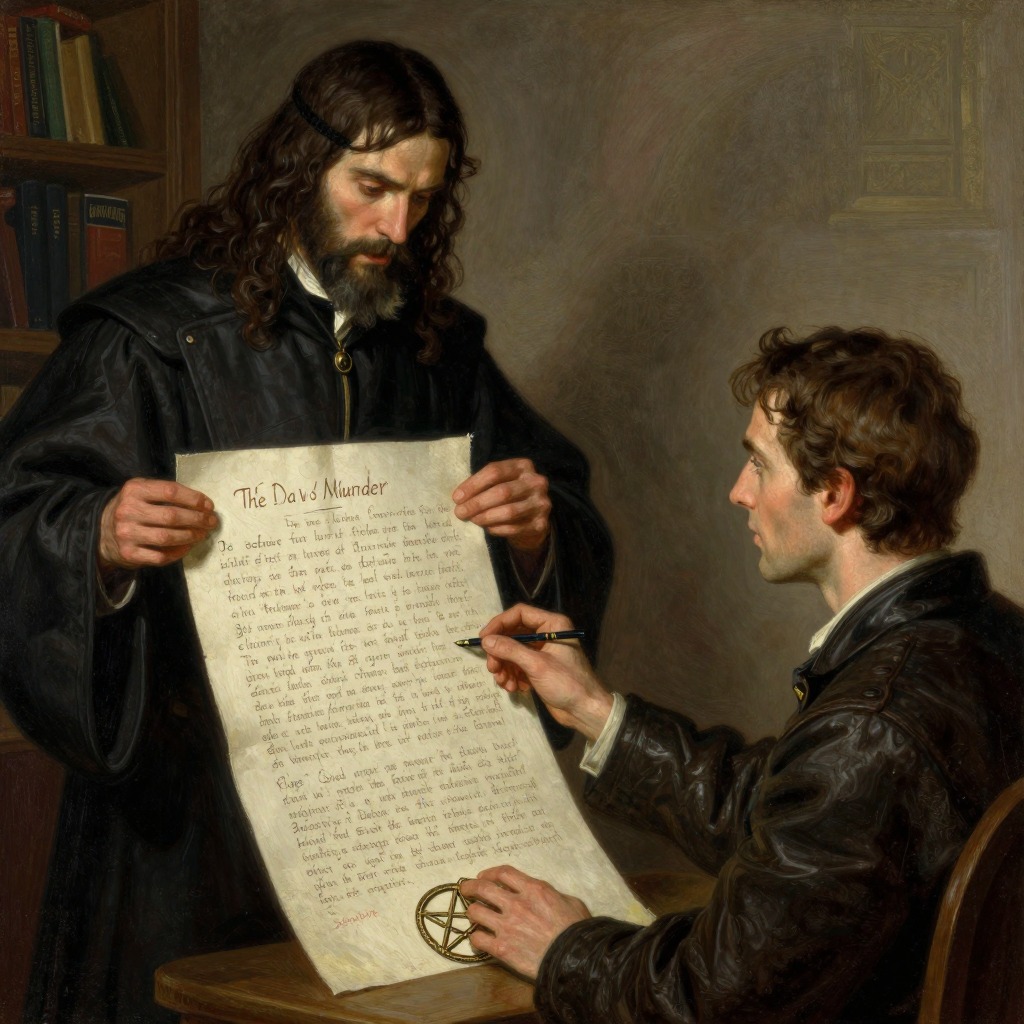
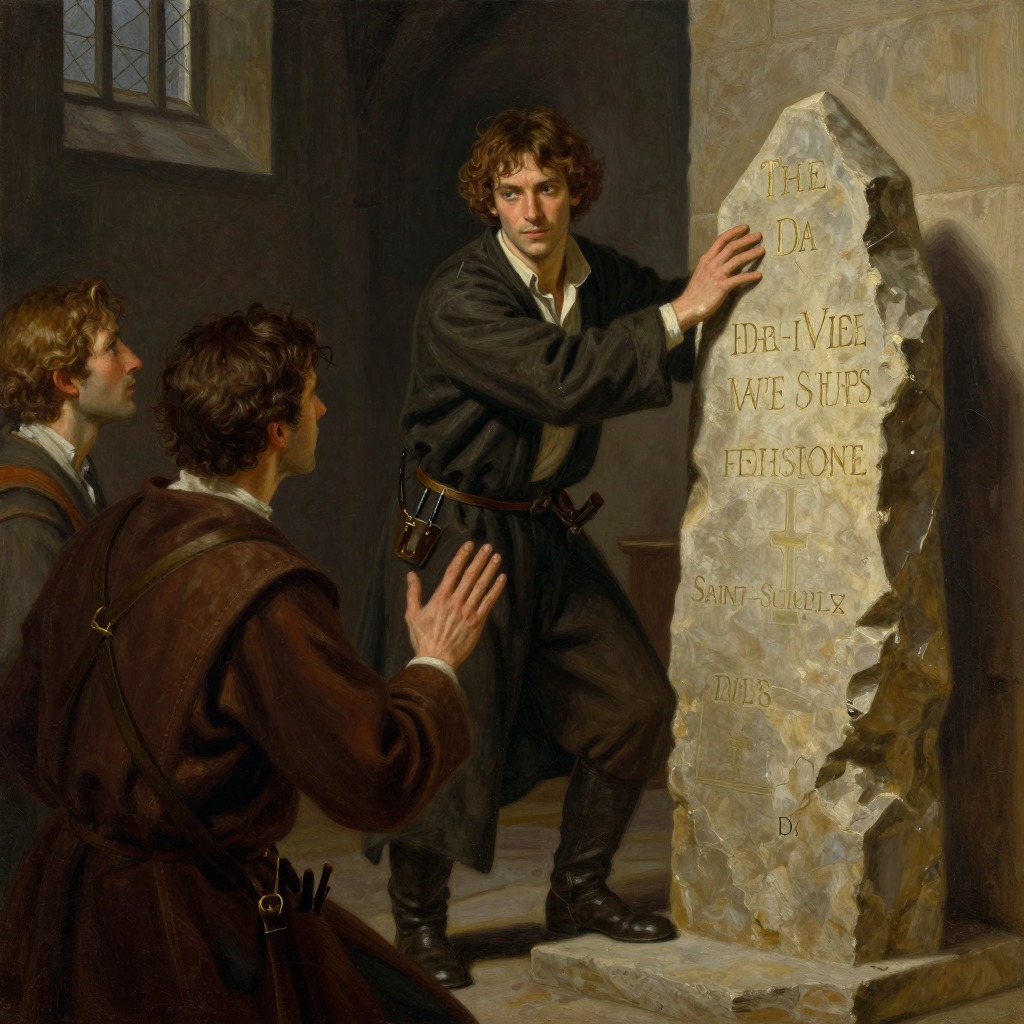
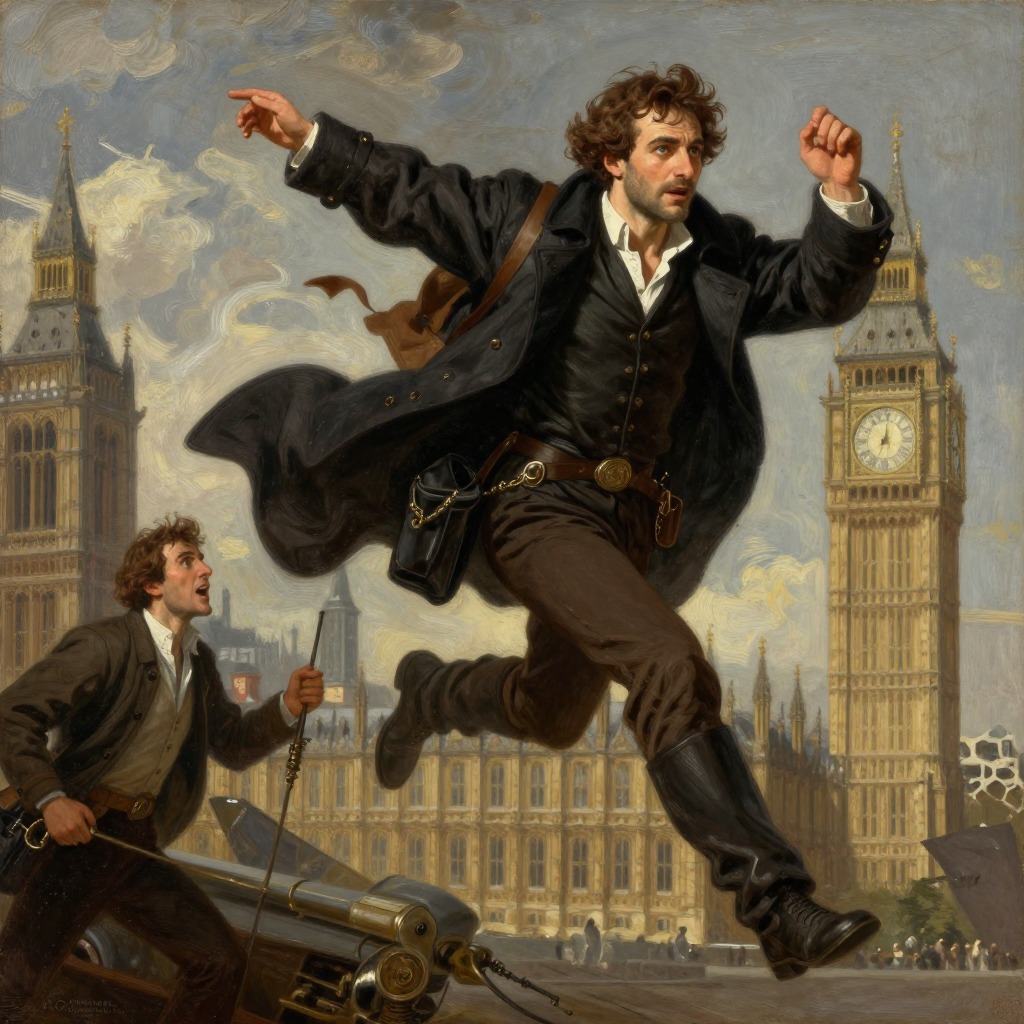
Silas's life is a sequence of violent ruptures and redemptive rebirths. After his rescue by Aringarosa, he became a devoted numerary of Opus Dei, embracing celibacy, poverty, and the daily practice of corporal mortification. For a decade he suppressed his violent past, but the Teacher's plan summoned it back. On the night of the novel, Silas murdered Jacques Saunière and the three sénéchaux of the Priory of Sion, extracting from each the same lie about the keystone's location at Saint-Sulpice. He then broke into the church, killed Sister Sandrine Bieil, and discovered that the stone tablet he found bore only a Bible verse—a dead end. Captured by Langdon, Sophie, and Teabing at Château Villette, he was bound and flown to England. Freed by Rémy Legaludec, he recovered the keystone at the Temple Church but was later betrayed by the Teacher, who tipped off the police. In a shootout at the Opus Dei Centre in London, Silas accidentally shot and wounded Bishop Aringarosa. Overcome with remorse, he fled to Kensington Gardens, where he died of his wounds, whispering Aringarosa's teaching that "forgiveness is God's greatest gift."
Key Actions and Objectives
Silas's primary objective is to serve God and Bishop Aringarosa by recovering the keystone for the Teacher. He carries out the four murders with cold efficiency, using a Heckler Koch USP 40 pistol and the threat of death to extract the lie about Saint-Sulpice. At the church, he breaks the floor tile beneath the Rose Line to retrieve the stone tablet. After being freed by Rémy, he holds Sophie at gunpoint in the Temple Church and takes the cryptex from Langdon. His final act is to carry the wounded Aringarosa to St. Mary's Hospital before collapsing.
Relationships and Conflict
Silas's central relationship is with Bishop Aringarosa, who saved him, renamed him, and gave him purpose. He sees Aringarosa as a father figure and is devastated by the bishop's wound. He is in conflict with the Teacher, who uses him as a pawn and ultimately betrays him. His physical conflicts are with Langdon, Sophie, and Teabing, who subdue him at Château Villette, and with the London police, whom he fights when they raid the Opus Dei Centre. His internal conflict is between his violent past and his desire for a peaceful, prayerful life.
Change and Ending
Silas begins the novel as a confident soldier of God, believing his murders are holy acts. The discovery that the keystone was a trick shatters his certainty. After accidentally shooting Aringarosa, he is consumed by remorse and dies alone in Kensington Gardens, having failed both the bishop and the Teacher. His death is a quiet, prayerful end, contrasting with the violence of his life.
Narrative Role and Evaluation
Silas functions as the novel's primary antagonist in action, the physical instrument through which the Teacher's plot is executed. His backstory provides a counterpoint to the intellectual quest of Langdon and Sophie, grounding the conspiracy in visceral, bodily suffering. His extreme piety and violent methods embody the novel's critique of religious fanaticism, while his tragic end underscores the theme of forgiveness.