Westminster Abbey
The Da Vinci CodeWestminster Abbey is the great Gothic church in London where Sir Isaac Newton is interred, and it serves as the climactic setting for the final deciphering of the Priory keystone in The Da Vinci Code. The abbey's Newton tomb, with its massive orb and astronomical carvings, provides the physical and symbolic stage on which the cryptex password is unlocked and Leigh Teabing is exposed as the mastermind behind the night's murders.
Identity and Historical Significance
Westminster Abbey is neither a cathedral nor a parish church but a "royal peculiar," subject only to the Sovereign. It has hosted the coronation of William the Conqueror on Christmas Day in 1066 and countless royal ceremonies since, including the canonization of Edward the Confessor, the marriage of Prince Andrew and Sarah Ferguson, and the funerals of Henry V, Queen Elizabeth I, and Lady Diana. More than three thousand people are entombed or enshrined within its walls, their tombs packed into every niche and alcove, ranging from the canopied sarcophagus of Queen Elizabeth I to modest etched floor tiles whose inscriptions have worn away. The abbey is laid out in the shape of a giant crucifix, but unlike most churches, its entrance is on the side rather than the standard rear narthex, and it has a series of sprawling cloisters attached, making it easy to become lost.
The Newton Tomb and the Final Clue
The poem on the keystone's rosewood box reads: "In London lies a knight a Pope interred. / His labor's fruit a Holy wrath incurred. / You seek the orb that ought be on his tomb. / It speaks of Rosy flesh and seeded womb." Robert Langdon and Sophie Neveu, having initially searched the Temple Church, realize that the "knight" is Sir Isaac Newton, who is buried in Westminster Abbey. The "Pope" is not a Catholic pontiff but Alexander Pope, the poet who presided over Newton's funeral. The "orb" is the apple whose fall, according to legend, inspired Newton's theory of gravity—the fruit of the Tree of Knowledge that incurred God's wrath in Eden, and whose "Rosy flesh and seeded womb" allude to the sacred feminine and the Grail. The password that unlocks the cryptex is APPLE.
The Confrontation and Arrest
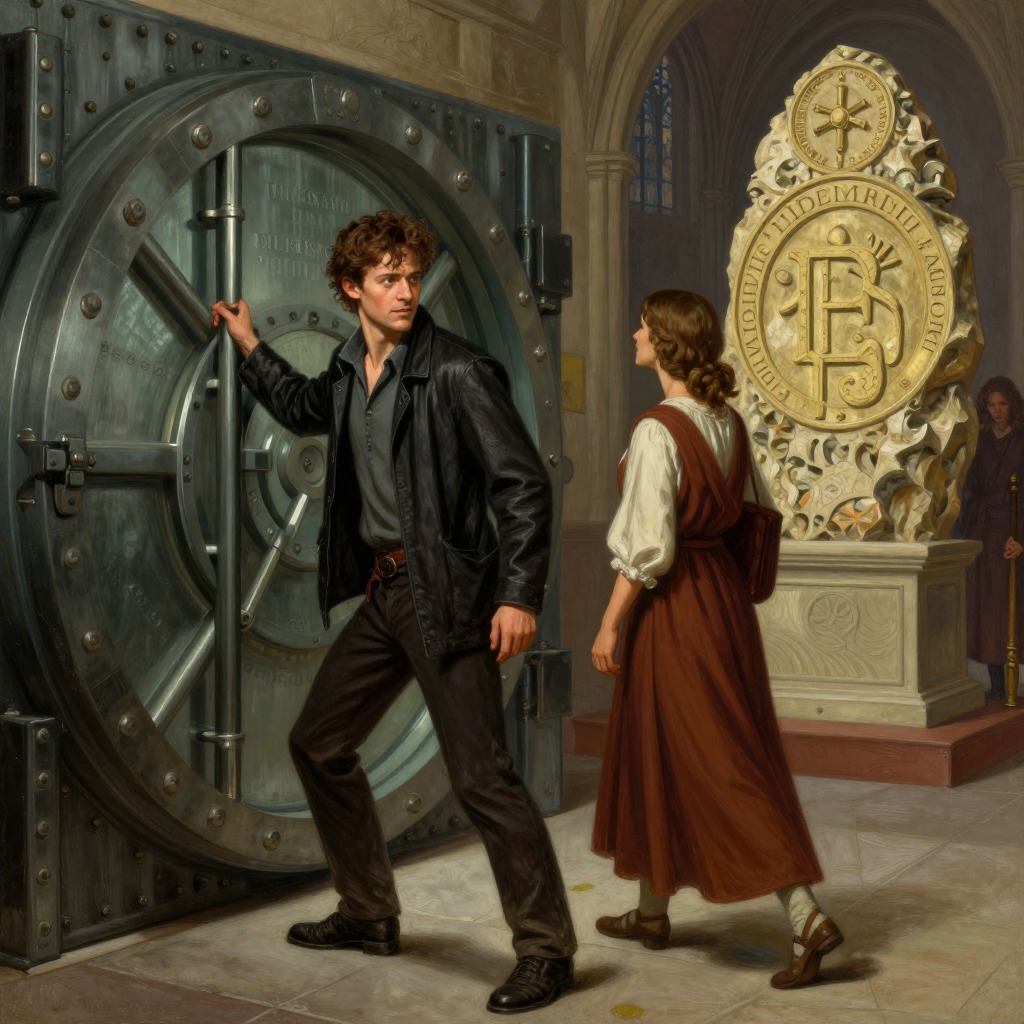
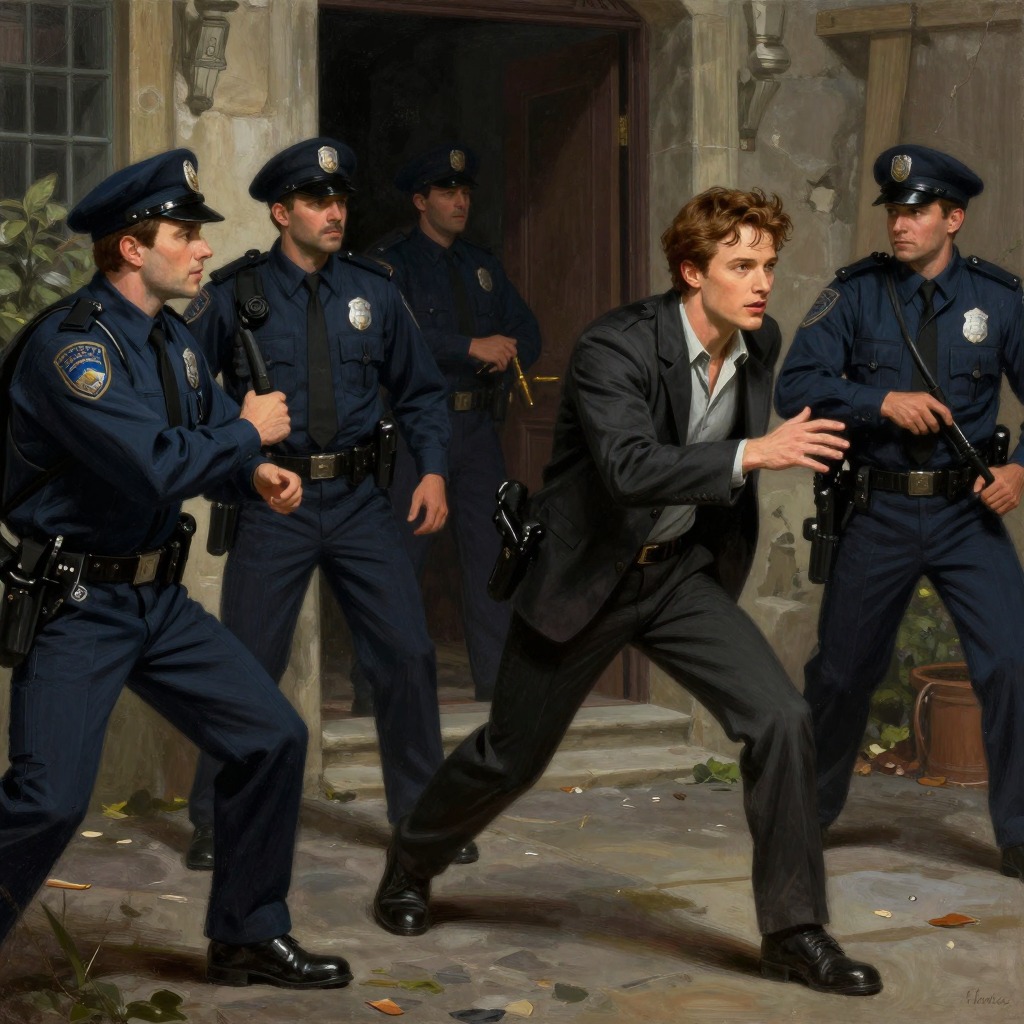
Langdon and Sophie enter the abbey through a metal detector and find the Newton tomb in a niche on the north side of the nave. They discover a charcoal message on the sarcophagus lid—"I have Teabing. Go through Chapter House, out south exit, to public garden"—and follow it into the Chapter House, a large octagonal hall. There, Leigh Teabing, who has been posing as a hostage, reveals himself as the Teacher, aiming a Medusa revolver at them. He explains that he orchestrated the murders because he believed Jacques Saunière and the Priory had betrayed the Grail by deciding not to release the Sangreal documents. Langdon, feigning knowledge of the password, hurls the cryptex toward the dome; Teabing dives to catch it, and the vial of vinegar inside shatters. But Langdon has already opened the cryptex—the dials spell APPLE—and removed the papyrus scroll. Bezu Fache and British police burst in and arrest Teabing.
Narrative Role and Significance
Westminster Abbey functions as the narrative's final puzzle box and the site of the ultimate unmasking. Its Newton tomb, with its giant orb and astronomical carvings, provides the concrete visual clue that yields the password, while the Chapter House becomes the stage for Teabing's confession and capture. The abbey's status as a royal peculiar—outside the jurisdiction of the Church of England's ordinary hierarchy—mirrors the novel's theme of hidden power structures. The scene also completes the thematic arc of the quest: the password APPLE, linking Newton's discovery to the Fall of Man, ties the Grail's secret to the recovery of forbidden knowledge and the restoration of the sacred feminine. The abbey, a monument to centuries of Christian history, is thus the place where that history's suppressed alternative is nearly unveiled.