
The Recurring Rules of the Road
The Death of Bunny MunroThis flow traces Bunny’s rules of salesmanship as they are taught, tested, and undermined by the journey itself.
increasing Bearing strength in each event
 decreasing
Bearing strength in each eventdecreasingLook Presentable
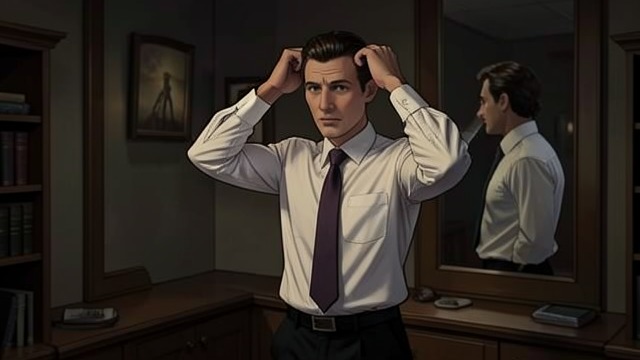
Look Presentable
Appearance as preparation
Bunny dresses Bunny Junior and himself for the road, insisting that a salesman must be presentable. Clothing becomes part of the professional role he trusts.
The mask outlasts the man
Bunny’s careful shirts, ties, and hair persist even as his behavior grows chaotic. The rule offers polish, not integrity or readiness to care for his son.
Wait in the Car
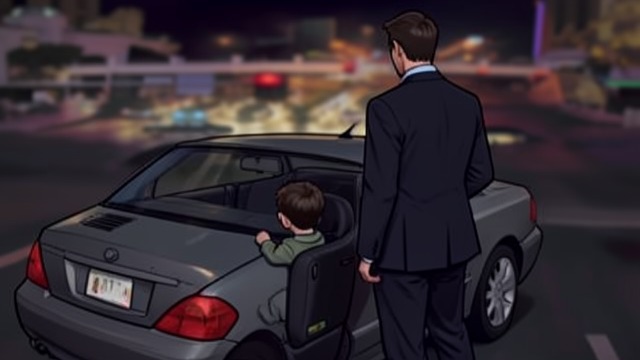
Wait in the Car
The child becomes logistical support
Bunny repeatedly leaves Bunny Junior in the Punto while he visits customers. The boy accepts the arrangement as part of learning the trade.
Safety becomes secondary
The pattern exposes the practical weakness of Bunny’s lessons. The child is not merely observing salesmanship; he is placed in situations that require adults to protect him.
Be Patient
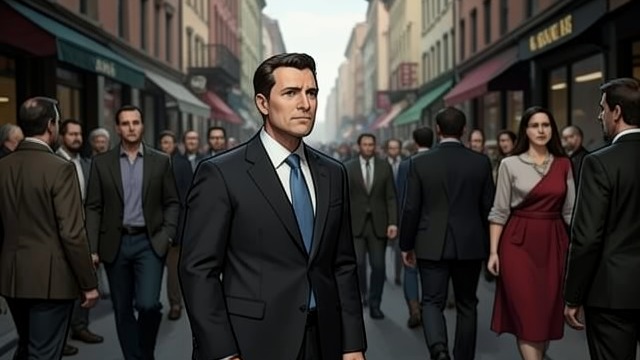
Be Patient
A rule of timing
Bunny tells Bunny Junior that successful sales require patience and stealth. He explains how a salesman waits for the right moment before approaching a customer.
The lesson turns ironic
Bunny’s own pursuits are impulsive and intrusive. The rule describes tactical restraint but does not teach respect for another person’s wishes.
Never Go Back
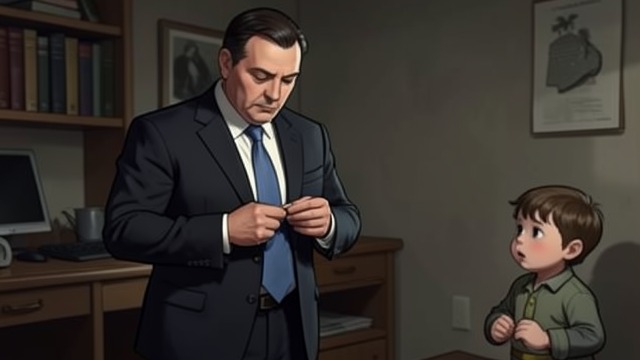
Never Go Back
A commercial maxim
When Bunny Junior says that Libby gave Bunny his tie, Bunny refuses to return for it. He says a salesman must never go back because a customer may cancel an order.
A value exposed
The rule elevates a sale over an object connected to Libby. Bunny’s joke conceals how thoroughly commercial thinking has displaced his ability to honor memory.
The Rule of Care
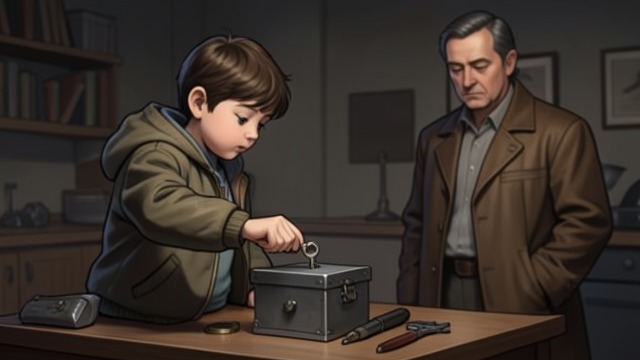
The Rule of Care
Control is handed over
Bunny tells Bunny Junior to turn the Electric children’s train’s key. For once, Bunny’s lesson is not about winning a sale but allowing the child to direct their shared movement.
The truest inheritance
The gesture does not repair years of neglect, but it offers a brief experience of trust. Bunny Junior’s turn at the controls reframes the journey as a father’s final act of letting go.
Before Bunny and Bunny Junior leave Grayson Court
During the first visits on the route
During the drive after Pamela Stokes’s visit
After Bunny leaves a customer’s house
At the final train ride in Butlins
