Bunny Junior’s blepharitis and vision problems
The Death of Bunny MunroBunny Junior’s blepharitis and vision problems are an ongoing physical concern that the boy interprets as a possible slide into blindness. The book gives the condition practical effects—painful, irritated eyes and difficulty with bright light—but also places it beside a child’s uncertainty about what he sees and how much his father attends to his needs. Although his symptoms later seem to ease, no treatment or confirmed medical resolution is described.
Symptoms and Fear of Blindness
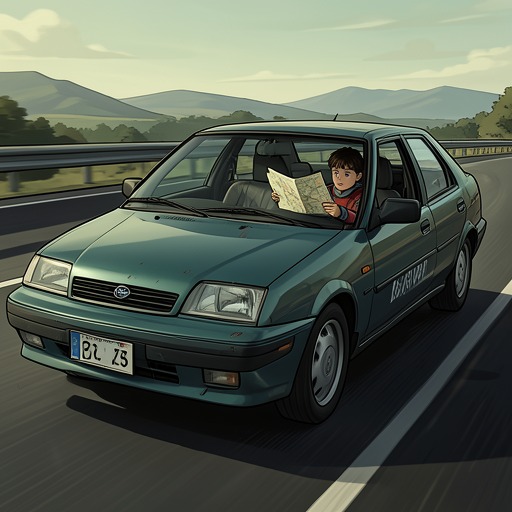
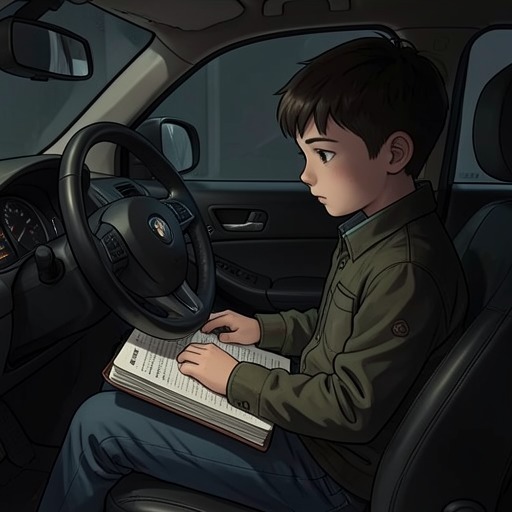
While waiting in the Punto on Marine Parade, Bunny Junior worries that advanced blepharitis may be making him blind. He has consulted The Encyclopaedia, looking up Mirage and Apparition as possible ways to understand experiences that trouble him, including the belief that his dead mother is looking for him. His concern about sight is therefore both bodily and interpretive: he has an eye condition, but he is also trying to decide whether what he perceives can be trusted. The passage does not establish that his vision has actually deteriorated to blindness. He watches people passing, reads definitions, and notices the fish-and-chip stand across the road; what it establishes is his fear that the symptoms may worsen, alongside his confusion about the apparitions.
Hunger further narrows his attention while he waits. He regrets not eating his pasty, sees young people carrying chips, and notices the fish-and-chip booth, but stays in the car because he believes his mother may find him if he remains where he is. The episode shows the condition within the ordinary pressures of the trip rather than as an isolated medical problem: discomfort and concern coexist with hunger, waiting, and his effort to make sense of his mother’s absence.
Requests for Help and His Father’s Response
At the pizzeria, Bunny Junior asks whether he can put his glasses back on because the light hurts his eyes. He says he may be going blind and thinks he needs eye drops. These are direct requests for relief, but Bunny Munro presses him to answer a different question: whether he wants to remain with his father and learn the business or return to school. The boy says he wants to be with his father. In the exchange, his wish for eye care does not become the subject of a practical response; Bunny Munro instead presents the sales trade as something he is teaching his son.
The contrast continues as Bunny Junior’s eyes stream in the glare and he dabs them with a napkin before putting his sunglasses back on. He makes a darkly comic remark about needing a white stick and a dog, voicing his fear through an imagined aid associated with blindness. Bunny Munro does not hear him: his attention has shifted to a nearby mother and young daughter. The scene thus gives the boy’s symptoms a concrete place in the strained father-son encounter. He expresses discomfort and fear, while his father’s account of passing down a trade takes precedence over responding to either.
Light, Uncertainty, and Changing Symptoms
After leaving the Empress Hotel, Bunny Junior again wonders whether he might be dead. In the sunlight, he puts on his sunglasses and pinches his thigh to test the possibility. He connects his repeated visions of his mother with information he has read about Near-death experience, including reports of encounters with deceased loved ones. His reading supplies terms and explanations, but not certainty; his eye trouble and his uncertainty about the visions remain beside one another without being medically or psychologically resolved.
This moment also distinguishes visual difficulty from a simple inability to see. Bunny Junior is actively trying to interpret his surroundings and his experiences, using sunglasses and The Encyclopaedia as resources. Yet neither gives him a settled account of what is happening. His condition makes bright light painful, while his questions about death and his mother extend beyond the physical symptoms. The narrative keeps these registers connected without presenting the eye condition as proof that his visions are unreal or that they are medically explained.
Relief and Limits of Resolution
During the confrontation involving Mushroom Dave, Bunny Junior remembers his mother’s promise that she is within and around him and feels protected. At that moment, he realises that his eyelids no longer hurt and that daylight feels less painful. The change is significant because it is the clearest reported easing of the symptoms, and it occurs alongside emotional reassurance while he faces danger.
The scene does not say that the blepharitis has been treated or cured. Its emphasis is on Bunny Junior’s immediate experience: he feels protected, and his eyes seem more comfortable. That distinction leaves the condition unresolved as a medical matter while showing how closely the boy’s physical distress and sense of security are aligned in this episode. Across the journey, his requests for eye drops, use of sunglasses, fear of blindness, and moment of relief make the symptoms a recurring part of his experience—not merely an abstract diagnosis, but a source of uncertainty that those around him do not consistently address.