1348 Florence Black Death
The DecameronThe 1348 Florence Black Death is the catastrophe that empties Florence of much of its population and sets the human circumstances for the stories that follow. The account depicts a disease that defeats medicine and public precautions, spreads fear beyond the sick themselves, and dismantles habits of family care and civic order. Its consequences are both a staggering death toll and a city from which the survivors begin to withdraw.
Arrival and visible symptoms
In 1348, the pestilence reached Florence after appearing in the East some years earlier and spreading westward, killing innumerable people along its way. The narrator leaves open whether its arrival arose through the operation of the heavenly bodies or through human wrongdoing, and presents it as a possible instrument of divine correction. Neither the city’s measures nor repeated appeals to God could prevent the disease from taking hold. Officials had arranged measures to purge the city of impurities, entry by the sick was forbidden, and people made many provisions for preserving health. Yet, as spring began, the illness showed its effects.
Its first signs were swellings in the groin or beneath the armpits. Some, called plague-boils, grew to the size of an ordinary apple or an egg, while others were smaller. They soon appeared in other parts of the body. The account then describes a change in the visible signs: black or livid blotches appeared, often first on the arms and thighs before spreading elsewhere. The marks varied, appearing large and scattered on some people and small and closely sown on others. Both the boils and the blotches are described as certain tokens of approaching death.
Illness, contagion, and failed remedies
Physicians’ advice and medicines seemed to avail nothing. The narrator suggests two possible reasons: the nature of the infection might have resisted treatment, or the many practitioners—some without medical teaching—might not have known its source and so failed to take suitable measures. Few recovered. Nearly all those who showed the signs died within three days, some sooner and some later, often without fever or another complication. The account stresses not only the speed of the illness but the uncertainty of effective treatment.
Contact made the danger seem to extend beyond the sick person. Conversation and company with the ill could, it was believed, infect the healthy, and even touching clothes or other objects used by the sick appeared capable of transmitting disease. The narrator gives a striking witnessed example: two hogs rooted among the discarded rags of a man who had died of the plague, took the cloth in their mouths, and soon fell dead upon it. This episode gives visible force to the fear that contagion could pass from a dead person’s belongings to animals, not merely from one human being to another.
Responses and the collapse of care
Florentines adopted sharply different ways of trying to protect themselves. Some withdrew into houses where no one had been sick, formed private company, ate and drank moderately, avoided excess, and shut out news of death and illness. Others treated feasting and unrestricted pleasure as a remedy: they drank in taverns and entered other people’s houses when anything there appealed to them. With many people abandoning care for their property as well as themselves, these houses were often open to strangers. Even those who indulged in this way still tried, as far as they could, to avoid the sick.
A third group followed a middle course. They neither imposed the strict seclusion and restraint of the first group nor joined the excesses of the second. Instead, they went about carrying flowers, fragrant herbs, or spices to their noses, believing that pleasant smells fortified the brain against the air, which seemed heavy with the stench of corpses, sick people, and remedies. Others considered flight the surest defense and left Florence for country residences, abandoning homes, relatives, and possessions. The account says that people following these different practices fell ill in many places; neither a chosen regimen nor escape guaranteed survival.
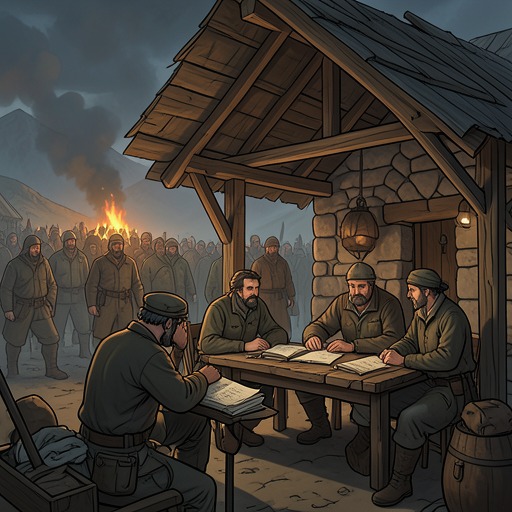
The epidemic also weakened the institutions that might have organized public life. Human and divine laws, the narrator says, had largely lost their authority because their officers and enforcers were dead, sick, or left without enough followers to perform their duties. The resulting condition gave each person license to do as he pleased. Fear also broke ordinary ties: neighbors avoided one another, kin seldom visited, and even husbands and wives, brothers and sisters, and parents and children could be abandoned. Fathers and mothers sometimes refused to visit or tend their own sick children.
With relatives and friends absent, the sick had to depend on the charity of the few or on servants attracted by unusually high wages. Such servants remained scarce, were often inexperienced, and sometimes died while tending patients. They might do little more than fetch what the sick requested or watch to learn when a patient had died. The shortage of care had consequences beyond fear and loneliness: some who might have survived with timely assistance died without it. Sick women might be tended by men, whatever their age or standing, and necessity could require them to expose their bodies without the privacy or modesty ordinarily expected. The account links this emergency practice to diminished modesty among those who recovered.
Mortality and the story’s threshold
The narrator estimates that more than one hundred thousand people died within Florence’s walls between March and the following July, from the force of the disease and from the abandonment or inadequate tending of the sick. The scale of loss is rendered through what death left behind: palaces, houses, and noble residences stood empty, sometimes down to their least important servants; families, inheritances, and fortunes remained without lawful heirs. People who had breakfasted among relatives and friends could be dead by supper. The passage makes the epidemic’s cost at once numerical and intimate, measured in emptied homes and lives cut short within a day.
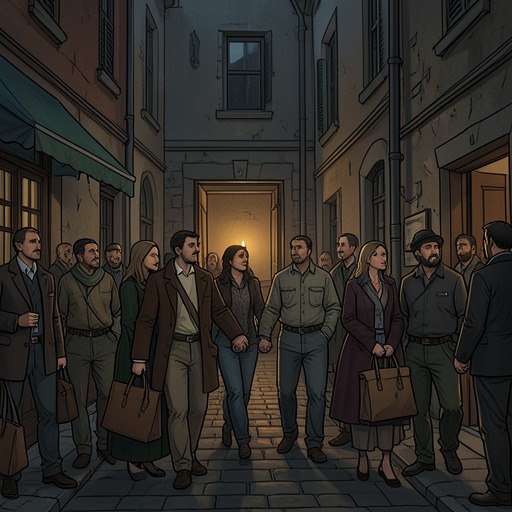
After dwelling on the misery, the narrator turns from the country to the nearly vacant city. On a Tuesday morning, seven young women, connected by friendship, neighborhood, or kinship, meet in the church of Santa Maria Novella after hearing divine service. They wear mourning, fitting the season, and are described as between eighteen and twenty-eight years old. Their gathering is the narrative threshold created by the disaster: the account moves from a city whose ordinary bonds and protections have failed toward the company and storytelling that will occupy the work that follows.