
Marriage as Shelter and Strain
The Disappearance of Josef MengeleThis flow traces how Josef Mengele’s relationships with Irene and Martha reflected his desire for possession, domestic comfort, and continuity amid flight.
increasing Bearing strength in each event
 decreasing
Bearing strength in each eventdecreasingIdealizing Irene
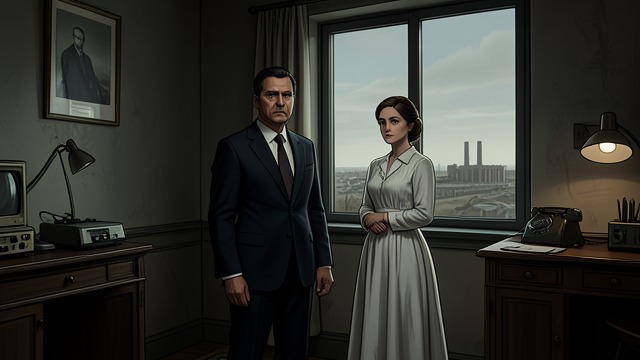
Idealizing Irene
Early attachment
Josef Mengele remembered Irene as a beautiful young woman who embodied his ideal of femininity. Their marriage and early family life gave him an image of domestic success.
Auschwitz in the background
Even memories of affection were entangled with his work at Auschwitz. The couple’s private pleasures coexisted with mass murder, a contradiction he never treated as moral rupture.
Abandonment and Resentment
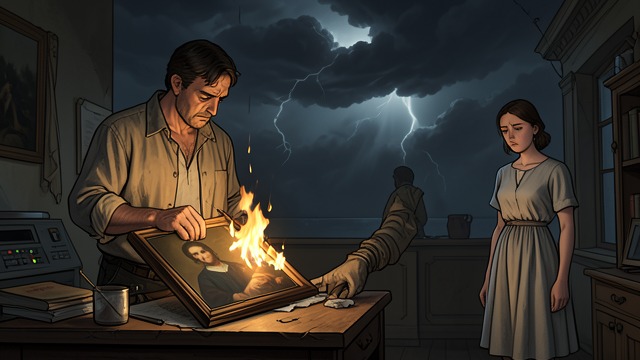
Abandonment and Resentment
Separation
Irene refused to join Josef Mengele in South America and eventually sought divorce. Josef Mengele interpreted her decision as betrayal rather than a response to the danger surrounding him.
Possessive grief
He burned her portrait and imagined that remarriage would provoke her. His emotional language centered on wounded pride and ownership more than on Irene’s freedom to choose.
Martha’s Arrival

Martha’s Arrival
A new household
Josef Mengele married his brother’s widow and brought her and Karl-Heinz to Argentina. The family arrangement served his desire for domestic life and his father’s business strategy.
Unequal expectations
Martha offered companionship, but Josef Mengele’s need for control and her need for security would diverge once he was forced into exile again.
The Honeymoon Refuge

The Honeymoon Refuge
A brief idyll
After their marriage in Uruguay, Josef Mengele and Martha traveled to Bariloche. He seemed to find renewed pleasure in her company and in the landscape.
The interruption
A police summons and reports from Germany shattered the holiday’s security. Josef Mengele fled without a settled plan, turning their marriage into another relationship shaped by danger.
A Marriage Dispersed
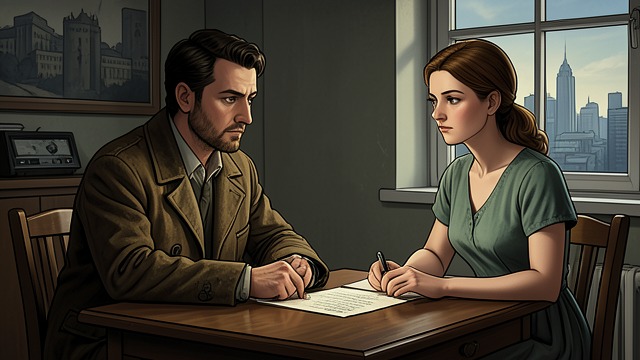
A Marriage Dispersed
Separate lives
Martha and Karl-Heinz returned to Europe while Josef Mengele moved into Brazilian hiding. Letters and family intermediaries replaced shared daily life.
Loyalty at a distance
Martha continued to communicate, but she could not restore the household he had lost. Their bond survived as correspondence and obligation rather than a common home.
1936 to 1944
1945 to 1954
1956
July 1958
1960 onward
