
The Father and Son Confrontation
The Disappearance of Josef MengeleThis flow traces the conflict between Rolf’s demand for moral truth and Josef Mengele’s insistence that mass murder was duty.
increasing Bearing strength in each event
 decreasing
Bearing strength in each eventdecreasingQuestions Across the Years
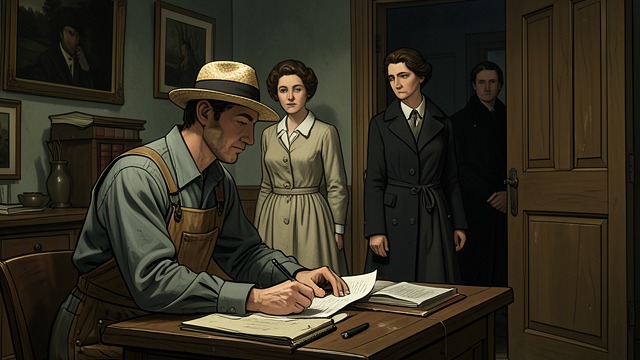
Questions Across the Years
Letters as pressure
Rolf asked Josef Mengele about Auschwitz and the allegations against him. Josef Mengele answered with ideological arguments and claims that he had saved lives.
A widening divide
The father sought sympathy and obedience; the son sought an account of what had happened. Correspondence kept them connected while deepening their disagreement.
The Journey to Brazil
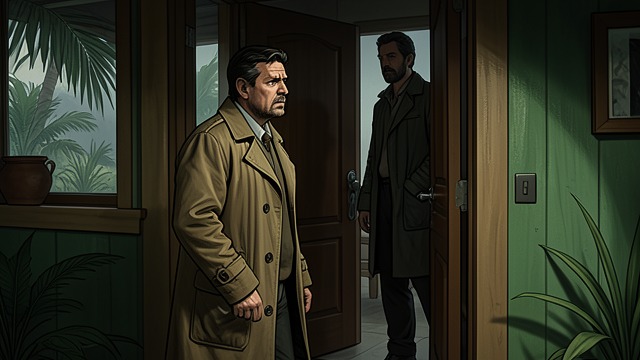
The Journey to Brazil
A controlled visit
Josef Mengele planned Rolf’s journey with elaborate precautions, although the danger had greatly diminished. His instructions revealed that fear still governed even a long-awaited family reunion.
Arrival at the bungalow
Rolf reached Eldorado and faced the father he had been told was dead. The meeting began as a personal encounter and became an interrogation about Nazi crimes.
A Prepared Defense
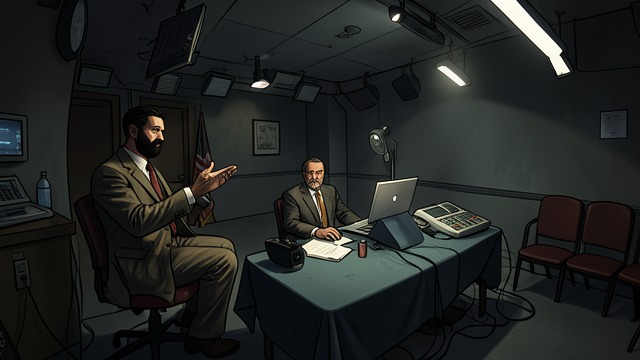
A Prepared Defense
Ideology before confession
Josef Mengele explained his actions through racial theory, state duty, and biological selection. He cast prisoners as threats and claimed his decisions had preserved lives.
Moral evasion
His argument moved from explanation to denial. He refused to recognize the people he had selected as human beings entitled to compassion.
The Son’s Accusation
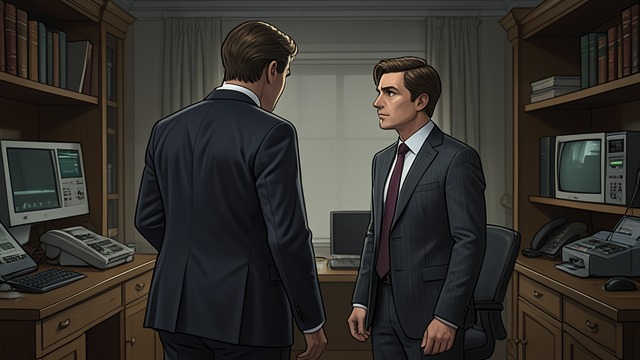
The Son’s Accusation
Questions without answers
Rolf asked whether his father had killed, tortured, or harmed children. Josef Mengele denied wrongdoing and blamed the accusations on political enemies and postwar hostility.
The break
After two days of argument, Rolf understood that his father would not repent. He left without the confession or reconciliation he had hoped might be possible.
A Lasting Moral Divide
A Lasting Moral Divide
A return to distance
Rolf returned to Germany and did not transform the visit into reconciliation. Josef Mengele briefly imagined the encounter as vindication, revealing how differently father and son interpreted it.
The inheritance remains
Rolf continued to bear the family name’s association with atrocity while rejecting his father’s account. His struggle was not to excuse Josef Mengele but to decide what responsibility meant.
early 1970s
October 1977
October 1977
during the Brazil visit
after October 1977
