
Rolf’s Inheritance of Truth
The Disappearance of Josef MengeleThis flow traces Rolf’s movement from childhood deception to a confrontation with his father and a difficult posthumous decision about the family secret.
increasing Bearing strength in each event
 decreasing
Bearing strength in each eventdecreasingA Father Declared Dead
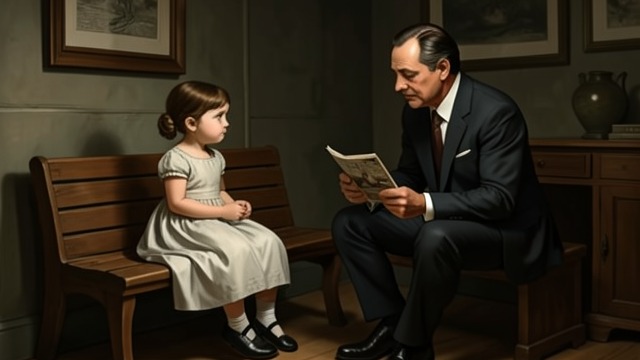
A Father Declared Dead
Childhood story
Rolf was told that his father Josef Mengele had died during the war. He met the man he knew as Uncle Fritz during a Swiss holiday without understanding their relationship.
A concealed history
The deception protected Josef Mengele’s identity but shaped Rolf’s childhood and trust. His later discovery would make the family’s past an intimate as well as political burden.
The Discovery
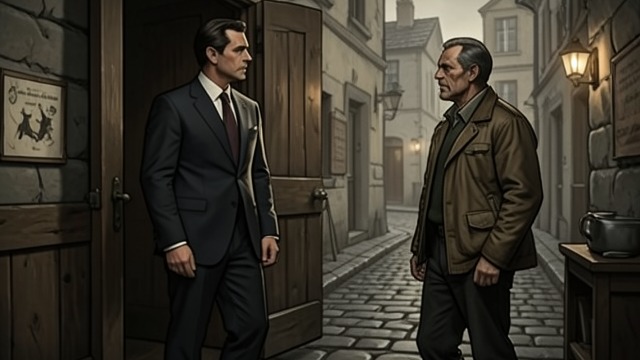
The Discovery
News of the capture
After Adolf Eichmann was seized, Rolf learned from the news that the uncle who had entertained him was his father and an Auschwitz doctor. The family’s explanation could no longer hold.
A moral rupture
The revelation left Rolf torn between family loyalty and the crimes associated with Josef Mengele. He withdrew from the family’s unspoken agreement to treat the past as closed.
The Correspondence
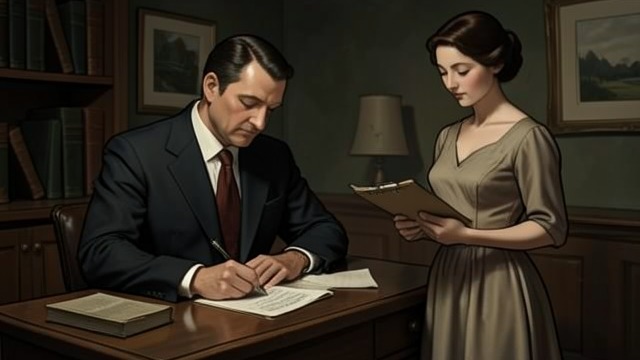
The Correspondence
Emotional pressure
Josef Mengele wrote to Rolf about illness, loneliness, and family grievances. He sought affection while demanding that his son accept his account of the past.
Refusal to forget
Rolf asked direct questions about Auschwitz and the people his father had killed. The exchange exposed a gulf between a son seeking truth and a father insisting on innocence.
The Visit to Brazil
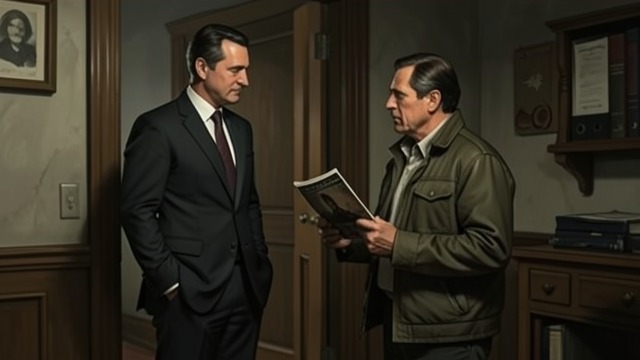
The Visit to Brazil
Face to face
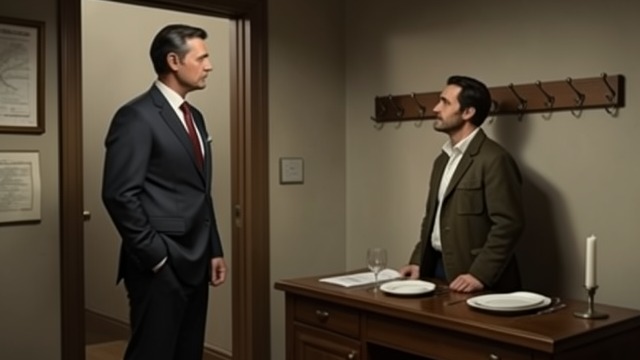
Rolf traveled to Brazil and confronted Josef Mengele in the Eldorado bungalow. He pressed his father to explain his role in Auschwitz rather than accept another vague letter.
No confession
Josef Mengele defended selection and murder as lawful duty and denied remorse. Rolf left convinced that his father was an unrepentant war criminal.
Silence After Death
Silence After Death
A difficult choice
After Josef Mengele’s death became public, Rolf acknowledged the family’s knowledge and expressed sympathy for victims. He had previously helped keep the secret from public view.
An unresolved inheritance
Rolf’s actions reflected his conflict between condemnation and loyalty to people who sheltered his father. He later changed his surname, distancing his public identity from the inherited name.
1940s to 1956
1960
early 1970s
October 1977
1985
