Merano
The Disappearance of Josef MengeleMerano, in South Tyrol, appears as a family refuge during Josef Mengele’s years in hiding: Martha and her son Karl-Heinz settled there while he remained in Brazil. Its significance lies less in a detailed portrait of the town than in the contrast it creates between the fugitive’s concealed life and the relatives whose homes and communications could expose them.
Setting and Narrative Context
The account identifies Merano as Martha and Karl-Heinz’s place of residence, but offers no broader description of the town. It enters the narrative through the geography of exile: Mengele was staying on the Stammers’ farm in Brazil, while his wife and son had established themselves in South Tyrol. The two households belonged to one family network, yet were separated across continents.
Martha and Karl-Heinz in Merano
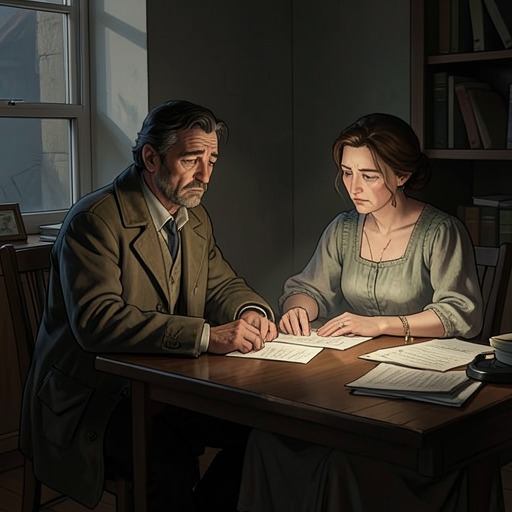
Martha had recently settled in Merano with Karl-Heinz. She is described as loyal to her husband and as having refused to speak to journalists. Her discretion mattered to a fugitive whose safety depended on keeping family ties and information controlled. Merano thus serves as a domestic base for two members of the family, not as a place where Mengele himself is shown living.
Surveillance and Communication
Martha felt watched in Merano. The account gives one concrete detail behind that anxiety: the previous month, two electricians had arrived at her home without being asked. It does not establish who sent them or what they intended, so their appearance remains an unsettling incident rather than proof of a particular surveillance operation.
At the same time, the danger was not confined to Merano. Strangers were prowling around the Mengele family’s factory and home in Günzburg, and Hans Sedlmeier warned Josef that correspondence had become too risky. He instructed him to communicate only through Gerhard. The episode places Merano within a wider atmosphere of scrutiny while distinguishing Martha’s unease there from the explicitly described threats to communication and the family’s German properties.
Significance
Merano’s narrative role is intimate and practical: it marks where Martha and Karl-Heinz lived while Josef relied on friends and relatives to sustain his flight. The place connects his Brazilian hiding place to the family’s European life, but also shows the vulnerability of that network. Even without a confirmed investigation at Martha’s door, the unrequested visit and her sense of being watched made ordinary residence part of the risks surrounding the fugitive’s family.