Denver
The Dog StarsDenver is remembered as the city where Hig and Melissa built a life beside a lake, and as the setting where ordinary pleasures—watching Geese, walking together, and living near the city—became part of a past that could not be recovered. Across that same lake stood St. Vincent’s Hospital, which became their destination at the end of Melissa’s illness. The place binds domestic memory to ecological change and to the couple’s final, consequential choice.
Setting and Everyday Life
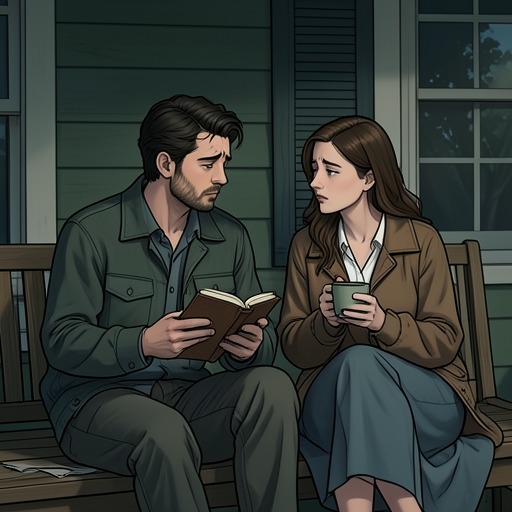
Hig and Melissa lived in a small house on a lake in Denver, only seven minutes from downtown. From its large window they could see grass, water, and mountains. The city’s bookstore, restaurants, and movies were close enough to be part of the appeal, while the lake gave their home a daily connection to the surrounding landscape. Denver appears not as an abstract urban center but as a particular arrangement of city access, water, open space, and mountain views. In October and November, the couple walked around the lake before dinner and watched its Geese. A resident flock remained there, while another flock arrived in spring and fall in migrating formations, mingled with the locals, and later departed. Hig believed he could tell the visiting birds from the resident ones; Melissa disagreed, and his confidence sometimes annoyed her. Their small argument gives the landscape a shared, intimate history: they observed the same birds, but did not always see them in the same way.
Memory, Animals, and Recognition
The arrival of Jasper as a puppy seemed to confirm Hig’s distinction between the flocks. Jasper chased the wary wild Geese but left the more aggressive resident birds alone. Hig presents this as support for his theory, though he acknowledges it as his interpretation. In Denver, close attention to animal behavior was part of the couple’s everyday life, not a skill reserved for survival after the collapse. That remembered attentiveness gains a more painful significance in Hig’s later world. He mourns the disappearance of Trout and other animals, and the warming streams that can no longer sustain them. Denver’s lake remains a scene of remembered Geese and shared walks, while the broader account of ecological loss makes such memories feel increasingly fragile. The city itself is not identified as the cause of these changes; rather, the remembered landscape supplies a measure of what has been lost and of the living world Hig continues to notice.
The Hospital Across the Lake
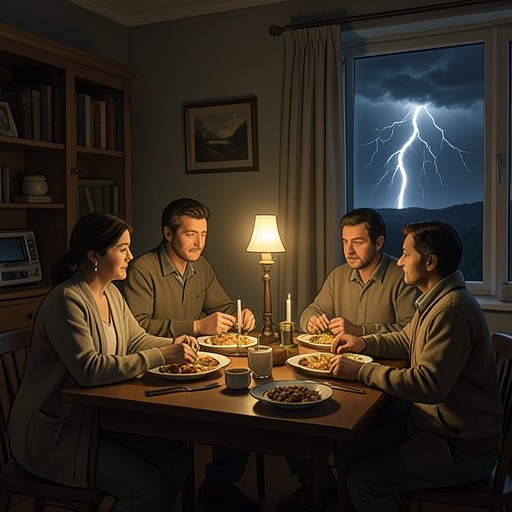
St. Vincent’s Hospital stood directly across the lake from the couple’s home. Orange helicopters landed there. When their circumstances became dire, Hig and Melissa discussed flying west, but it was already too late; with the hospital so near, they went there instead. They entered one of the buildings that had been taken over, a place filling with the dead. The hospital’s proximity changes the lake’s meaning. It had been part of the view from home and the route of their evening walks; at the end, it marked the short distance to the care they sought. Denver’s remembered intimacy and its crisis therefore occupy the same geography. The hospital is not a distant institution in Hig’s account but a destination visible across familiar water.
Narrative Significance
Denver anchors the contrast between life before the collapse and Hig’s later existence. Its bookstore, restaurants, house, lake, and seasonal Geese preserve a memory of ordinary routines shared with Melissa. Those details are set against a later world in which animal disappearance and environmental decline are experienced as losses in their own right. The remembered city also holds the couple’s last decision: they considered leaving, but the nearby hospital and the lateness of the moment drew them across the lake instead. Denver thus brings together home, ecological memory, and the threshold of bereavement.