Prolonged drought
The Dog StarsProlonged drought is a slow-moving crisis in the novel: it makes streams warmer and shallower, undermines ranching, and turns the question of where to go next into a question of whether there will be water along the way. Its effects accumulate rather than arriving as a single disaster. For Hig, each receding creek also registers the loss of a living landscape he had known through fishing; for the people who depend on a canyon ranch, declining water becomes a reason they may have to leave it.
A worsening water shortage
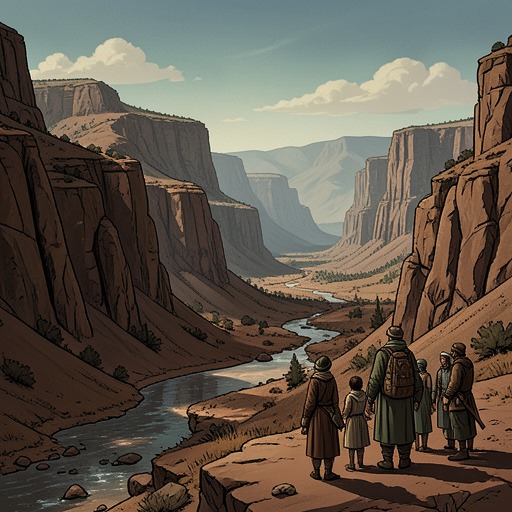
The drought is part of the post-pandemic world, already nine years beyond the flu and the blood disease that followed. It is not presented as the cause of those diseases, but as another pressure on survivors. In a conversation about why Pops might leave his land, the answer is simply drought. The creek had nearly dried up the previous summer, and the household had to dig into its bed to gather enough water to drink. Half the cattle died. The speaker describes the conditions as growing warmer and worse year by year, making the crisis cumulative: a place that had once sustained a family and its animals was becoming less dependable each season.
The shortage also closes off an obvious response. Hig asks whether a well could be dug, but Pops explains that bedrock lies only four feet below the canyon floor. He had tried; the rock prevents a well and even makes digging a decent grave difficult. The limitation is geological as well as climatic. There is no easy way to replace the surface water as it dwindles, so the worsening creek cannot simply be offset by drilling deeper.
Streams, fish, and ecological loss
The changes to water are visible in the streams Hig visits. The Trout are gone because the mountain streams became too warm. Later, walking along the canyon creek in summer, he sees the water dropping rapidly, the exposed streambed widening and the rocks becoming more prominent. He fears that the creek will dry before even fish able to tolerate warmer water can survive; Carp and catfish, along with crawfish and frogs, are all vulnerable. The threat is not limited to a single favored species. It reaches outward from the lost Trout to the broader community of life that depends on the stream.
Hig’s response to these losses is shaped by his long attachment to fishing. Before the drought’s effects became so stark, a surviving creek and a fishing place in the mountains offered a kind of refuge: he went there not only for food but for the experience of being in a landscape that still felt intact. That dependence makes ecological change a loss in its own right, not merely a symbol for other grief. When Hig remembers the Trout disappearing, his sorrow is directed at the fish and at the damaged conditions of their habitat. Later he recognizes that even the Carp may be struggling as water temperatures and the food available to them change.
The seasonal calendar offers little reassurance. Mid-April is too early for a genuine thaw, yet the old markers of the seasons have become unreliable. Some recent winters left the mountain peaks with almost no snow, and Hig regards that absence as more frightening than attacks or disease. In the canyon, the spring seems unusually brief: after roughly two weeks, flowers are mostly gone, and dry pine needles cover the ground. The observations make the drought legible through a succession of small changes, from diminished snow to early heat and exposed creek bed.
Pressure on homes and movement
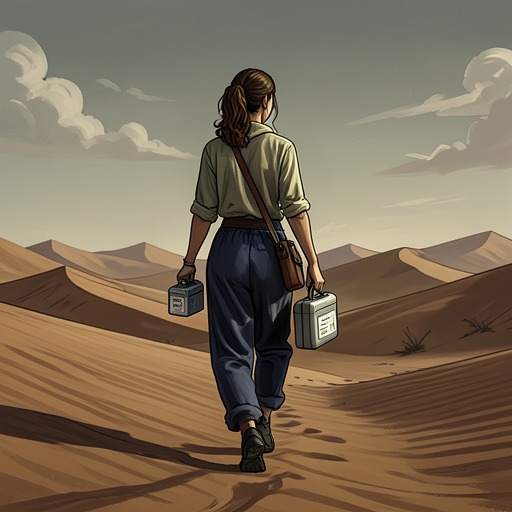
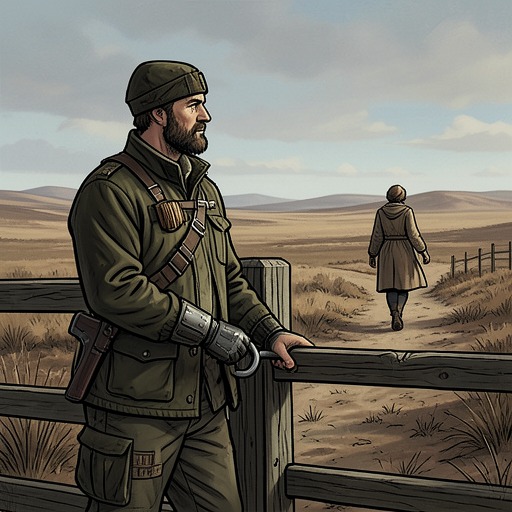
For the people living on the canyon ranch, a failing creek threatens daily survival as well as the future of their livelihood. The loss of half the cattle shows how water scarcity affects the household beyond drinking water. Pops and his family expect they will probably have to leave in the spring, but they do not know where to go. Moving offers no simple escape: if water is disappearing on the mesa, they fear that conditions farther away may be worse, and travelling without a dependable source of water is itself dangerous. Drought thus converts staying into a risk and departure into another risk.
Heat also matters to the practical calculations of leaving by air. Hig considers the aircraft’s performance in hot conditions, which reduce its capacity, and plans for a departure during the cooler part of the day. He consults the 1956 Pilot Operating Handbook and its takeoff tables, including figures for an airfield elevation of 7,500 feet. The manual gives a distance of 950 feet to clear a 50-foot obstacle at 32 degrees Fahrenheit with no headwind. Those figures do not measure the drought, but they show how heat enters survival planning as a physical constraint rather than a distant forecast. The landscape’s changing conditions shape not only whether people can remain, but the terms on which they might get away.
Memory, survival, and an uncertain future
Hig’s memories of fishing preserve a contrast between the streams he once knew and the diminished waters of the present. He continues to fish in mountain woods where patches of forest remain green or are recovering, carrying his pack and The Beast’s associated gear into places that still offer running water. Such visits give him a connection to a world that has not vanished everywhere, but they do not establish that the broader ecological damage is reversing. The surviving green places are precious precisely because surrounding forests and waterways have changed.
The drought’s slow progression also unsettles confidence in recovery. Hig recalls older cycles in which drought would break, monsoon rains would arrive, snow would return, and fish and amphibians would appear again. He cannot explain how those animals returned, and he doubts that the same renewal can be expected now. This uncertainty changes the meaning of seasonal hope: a return of rain might once have seemed enough to restore life, whereas the disappearing Trout and the rapidly falling creek make recovery difficult to take for granted.
Drought therefore works on two connected scales. It tests households through failed water supplies, livestock losses, and the prospect of migration; at the same time, it alters the familiar places through which Hig understands home. Its consequences arrive as measurements and observations—a nearly dry creek, fewer cattle, less snow, warmer water—yet together they make a profound change. The question is no longer only how to endure another dry season, but whether the relationships between water, land, animals, and human settlement that once made a place livable can persist.