
Masks, Candor, and Social Performance
The DoubleThis flow traces the conflict between Golyadkin’s ideal of open conduct and the social performances he condemns but repeatedly attempts.
increasing Bearing strength in each event
 decreasing
Bearing strength in each eventdecreasingThe Masquerade Principle
A Moral Distinction
Masks in Public Life
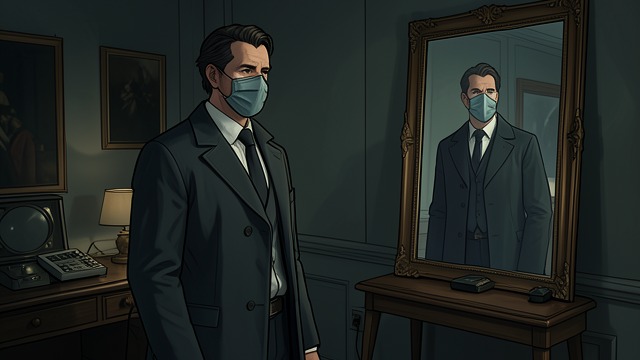
Golyadkin tells the doctor that he wears a mask only at a masquerade, not in daily life. He contrasts supposed candor with flattery, polished manners, and social maneuvering.
Performance in Practice
His own speech is full of rehearsed declarations and indirect insinuations. The gap between his ideal and his behavior makes sincerity difficult to separate from self-protection.
A Speech to the Clerks

Candor as Display
A Self-Introduction
Golyadkin tells two junior clerks that they have known him only from one side. He condemns fawning and intrigue while hinting that a hidden truth will soon become clear.
An Unpersuasive Appeal
The clerks laugh rather than accept his presentation. His attempt to prove that he does not perform for others becomes another performance whose intended meaning fails to reach its audience.
The Double’s Social Mask

Fluency Rewarded
A Skilled Arrival
The double greets colleagues, offers familiar gestures, and moves easily through the office. His social fluency wins him the warmth that Golyadkin claims to despise.
A Contest of Appearances
The contrast suggests that social identity is partly built through recognizable performance. Golyadkin’s insistence on inner honesty cannot compete with the rival’s effortless command of outward signs.
during the first consultation
the afternoon before the birthday dinner
during the later office encounters
