
The Story’s Comic Surface and Tragic Undercurrent
The DoubleThis flow traces how comic misunderstandings and inflated narration progressively expose genuine suffering.
increasing Bearing strength in each event
 decreasing
Bearing strength in each eventdecreasingThe Grand Dinner Narration
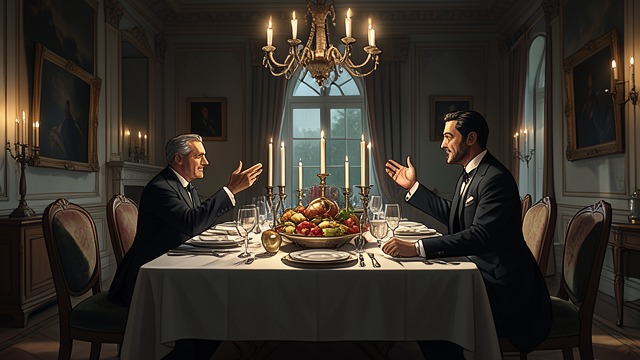
Ceremony Enlarged
Comic Excess
The narrator describes the dinner and its guests in extravagant, ceremonious language, repeatedly claiming that the scene exceeds the power of his pen. Praise of rank and propriety becomes so inflated that it carries a comic edge.
A Contrast Established
The flourish makes the social world appear both impressive and absurd. Golyadkin’s later humiliation takes place against this elaborate pageant, where the language of dignity cannot guarantee humane treatment.
The Pie Bill
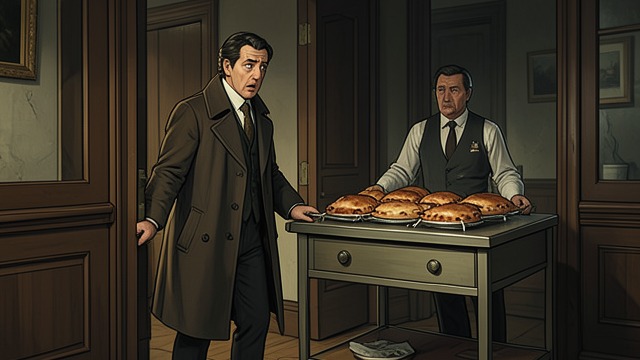
A Small Absurdity
Confident Miscount
A waiter charges Golyadkin for eleven pies when he believes he ate only one. The discrepancy appears comic, but Golyadkin is too uncertain to challenge the accusation firmly.
Laughter with Consequences
The double’s appearance makes the impossible account seem deliberate to Golyadkin. The episode’s humor does not relieve the tension; it shows how easily his ordinary credibility can be taken from him.
The Doctor’s Sentence
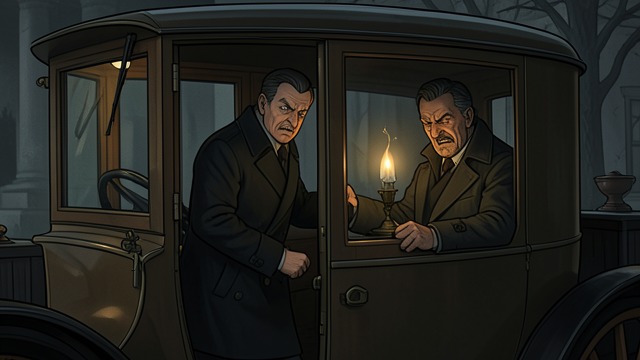
A Dark Punchline
Comfort Recast as Threat
Golyadkin enters the carriage expecting the familiar doctor, but perceives a terrible version of Krestyan Ivanovitch. The promised provisions and service are described in a voice that feels like judgment rather than reassurance.
Comedy Turns Harsh
The story’s recurring administrative and conversational absurdities end in an ominous institutional destination. The final irony leaves little room for the reader to treat Golyadkin’s suffering as merely a joke.
during the narrator’s account of the birthday feast
the day after the double’s arrival
the final carriage journey
