
Storykeeping Against Erasure
The Drover's WifeThis flow follows songs, remembered testimony and the retelling of family stories as ways to preserve lives that colonial records and public rumor distort or suppress.
increasing Bearing strength in each event
 decreasing
Bearing strength in each eventdecreasingThe Notebook’s Delayed Testimony
The Notebook’s Delayed Testimony
A Private Record
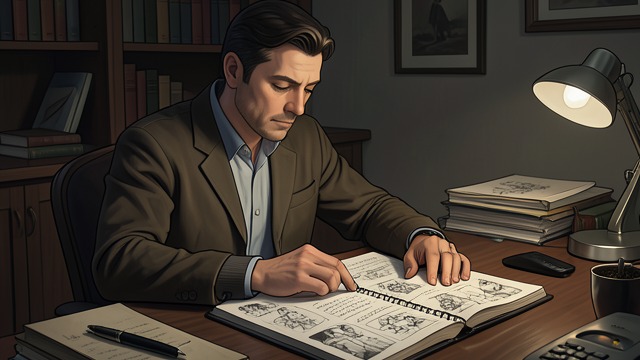
At thirty-two, Daniel Johnson rereads a notebook begun sixteen years earlier. Its sketches, poems and memories hold the events of his childhood and the lessons he learned from his mother and Yadaka. He has kept its most painful material from his siblings, believing it is his responsibility to protect them even as adults.
Memory Made Durable
The notebook gives form to what was once too painful to speak. It preserves Molly’s strength and the relationship between a boy and a man who was not his father, while acknowledging the losses around them. The frame makes storytelling itself an act of survival: private memory becomes a record capable of challenging the versions others tell.
A Song Across Generations
A Song Across Generations
A Father’s Lament
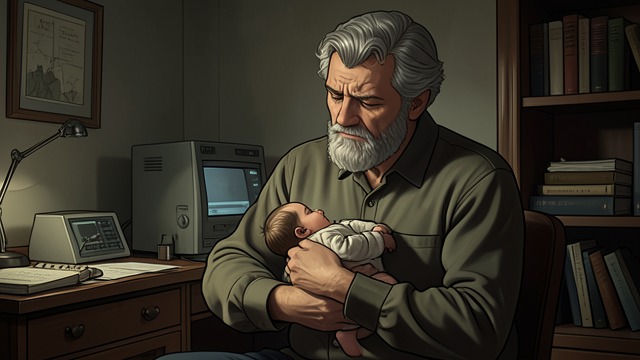
Jock Stewart sings “Black Is the Colour” to Molly, especially when drinking brings his grief close to the surface. Molly cannot know whether the song concerns her mother, but its melody becomes one of the few legacies her father gives her about the woman she never met.
A Mother’s Mourning
Molly later hums the same lament while holding Daisy’s body. The song joins her own grief to the older loss carried by her father and gives emotion a form when she cannot speak. Its return does not resolve bereavement; it makes the family’s history audible, connecting a daughter who lost her mother to a mother who has lost a child.
The Keeper’s Inherited Story
The Keeper’s Inherited Story
A Story Entrusted
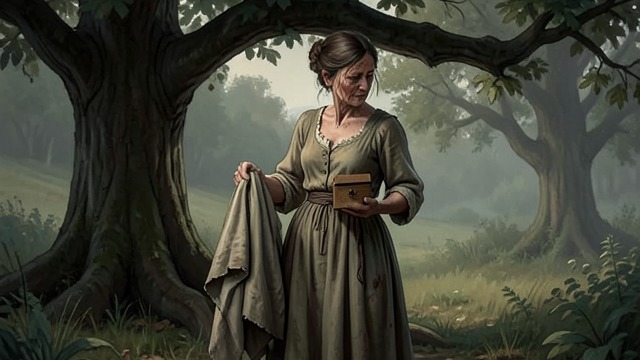
Yadaka is adopted by Ginny May, who calls him her son and gives him a role as a keeper of a story her community has forbidden her to tell. She repeats the account of her sister’s love across racial boundaries because, as she explains, someone needs to know. Yadaka becomes responsible for carrying a memory that might otherwise disappear.
Knowledge Requires Action
Years later, Yadaka recognizes the connections between that account and Molly’s life. He understands that retelling is not merely recalling the past: it can restore a person’s origins and challenge the shame imposed on them. His obligation to speak places him at risk of angering Molly, but silence would repeat the erasure Ginny May entrusted him to resist.
The Truth of Black Mary
The Truth of Black Mary
A Name Recovered
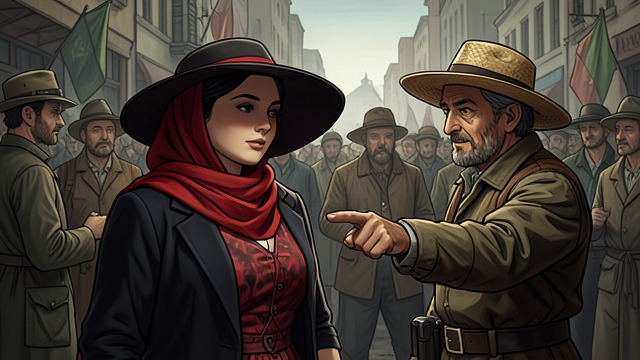
Yadaka tells Molly that the woman called Black Mary was Waraganj, an Aboriginal woman with red hair and fair skin, and that she was Molly’s mother. Molly rejects the revelation at first, striking Yadaka and ordering him away. The truth arrives not as a comforting discovery but as a disruption of the identity and family history she has understood.
Inheritance Without Shame
Yadaka persists because the story belongs to Molly as well as to the people who preserved it. He frames her ancestry not as a stain but as a connection to family and country. The account cannot undo the years of concealment or the racist labels attached to Black Mary, but it gives Molly a fuller past and a possible community beyond the isolated life she has made.
The Bullock Story Lives
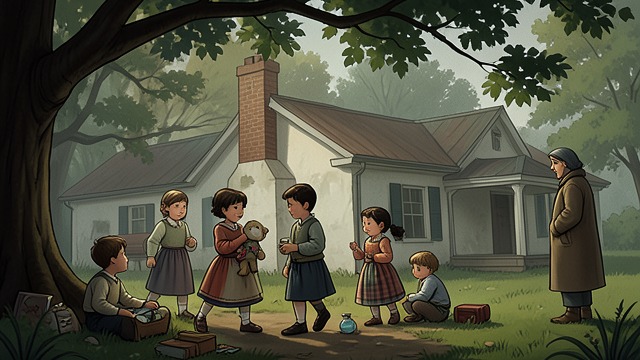
The Bullock Story Lives
A Memory Recast
In the family home, Daniel Johnson’s children perform the story of Molly shooting the wild bullock to protect them. The incident has been shaped into a dramatic family tale, with the children playing the endangered siblings and their father taking the bullock’s part. What began as a frightening act of survival can now be held, repeated and shared.
Cultural Recognition
The Ngarigo have incorporated the story into performance and dance, honoring Molly’s courage and welcoming her into the family clan. Its retelling links a settler-descended family’s remembered past with Indigenous cultural practice, without pretending their histories were untouched by violence. The story survives because people choose to carry it forward, allowing Molly’s life to be remembered on more than the terms of her trial and execution.
1913, when Daniel Johnson reads his notebook at the renovated homestead
During Molly’s childhood and again after Daisy’s burial in 1893
After Yadaka joins Ginny May’s community during his journey north
The full-moon night when Yadaka tells Molly about her mother
In 1913, as Daniel Johnson’s children reenact the family story
