Yadaka’s escape from custody and killing of two officers
The Drover's WifeYadaka’s escape from custody and killing of two officers is framed as a desperate response to an arrest he believes unjust, exposing the danger of a colonial system in which he expects no fair hearing. The event links a mistaken accusation to his decision to resist capture, while a later telegram brings the deaths and his flight into the authorities’ account.
Arrest and Accusation
Spencer Leslie tells Yadaka that he is under arrest for the murder of Missus Edwards and her three children, as well as the murders of Trooper Phillips and Native Police officer Dempsey Buckskin. The formal charge places Yadaka in the position of a suspect already associated with multiple deaths, even though the later narration states that he did not commit the Edwards murders.
Escape and Its Immediate Cause
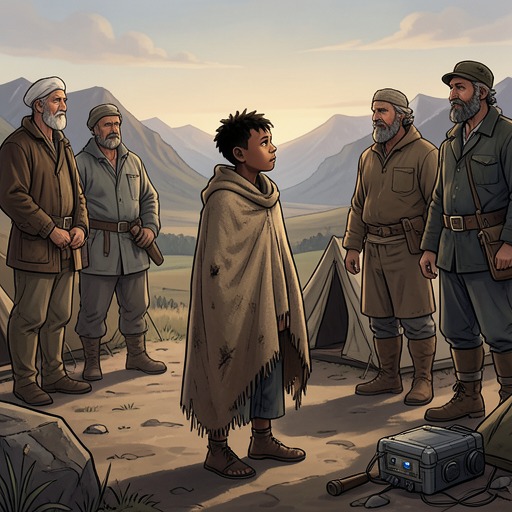
The narrative explains that Yadaka killed the other trooper and the Native Police officer while being arrested for a crime he had not committed. He had reached the limit of what he could endure in the treatment directed at him and his people. Believing that no trial would be held for him, he understood the situation as one in which he must either live or die, and chose to live by resisting the arrest.
The Telegram and Official Knowledge
Three weeks after the deaths, Sergeant Nate Clintoff reads a telegram reporting that a trooper and a Native Police officer have been found north of the Victorian border while transporting a Native prisoner. The telegram relays a Black Tracker’s report that the prisoner killed them and was wounded in the lower back. Nate is appalled and grips the message tightly: the distant report turns Yadaka’s escape into an urgent matter of official knowledge, while also recording the uncertainty and violence surrounding his condition.
Consequences and Significance
The event grows directly out of the arrest and its underlying accusation, but its consequences deepen Yadaka’s danger: his attempt to survive makes him a fugitive sought by the authorities. The narration places his choice against the expectation that he would not receive a trial, so the escape is not presented as an isolated act of violence but as a response to a justice system he regards as denying him a chance to answer the charge. The closing question of whether survival was worth the cost leaves that choice unresolved, emphasizing the severe price attached to resisting an unjust arrest.