
Mixed Heritage and Belonging
The Drover's WifeThis flow traces the stigma imposed on Waraganj and Molly for their mixed heritage, then follows their gradual connection to family, country and a continuing community.
increasing Bearing strength in each event
 decreasing
Bearing strength in each eventdecreasingSurvival Under a Tree
Survival Under a Tree
A Child Judged by Blood
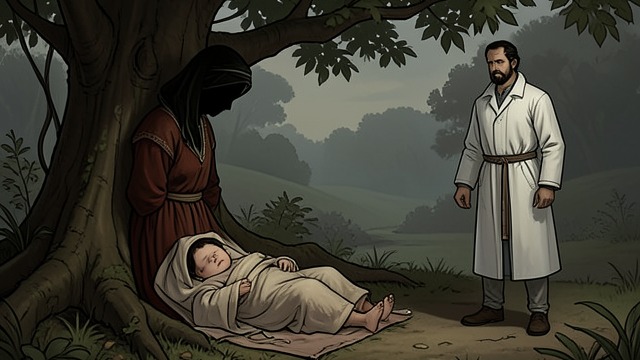
Waraganj is born to a young Ngarigo mother after Charles Edwards assaults her. Because the child has a white father, King Jimmy fears she may not be fit to belong to the clan and orders her exposed beneath her birthing tree. Her survival is made a test of worthiness imposed on a newborn who had no part in the violence that determined her parentage.
Belonging Withheld
Waraganj survives the night and receives a name connected to the snow-gum tree. Yet survival does not end the stigma: some in the community blame her mother, and mother and child are banished for a time. The episode shows how colonial sexual violence creates divided identities that the child herself must bear, while both communities’ judgments make secure belonging difficult.
The Family She Cannot Claim
The Family She Cannot Claim
Kinship Hidden in Plain Sight
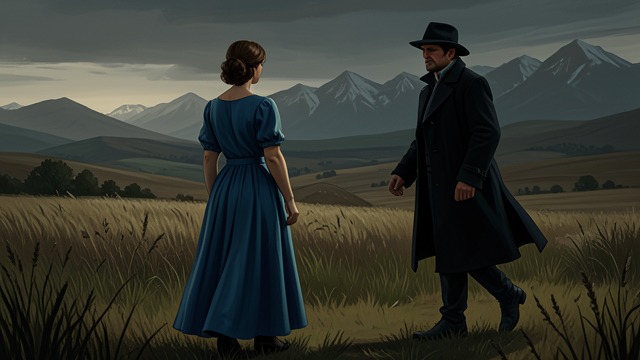
Waraganj leaves her clan rather than accept a promised marriage and eventually reaches the Edwards property. Eleanor welcomes her as a worker, while Evelyn treats her with hostility. Waraganj does not know that the people around her include her grandmother, stepmother and sister-in-law; her father’s family is literally present but socially inaccessible.
Recognition Without Acceptance
When Charles returns, he recognizes Waraganj’s resemblance to his daughter Bertha and realizes she may be his child. Instead of acknowledging her, he orders her off the property and threatens her. The family resemblance exposes the truth, but white authority turns that truth into danger rather than reunion. Waraganj’s rejection shows how kinship can be biologically undeniable and still be refused by those who control status and safety.
A Life Under a Racial Name
A Life Under a Racial Name
A Name Imposed
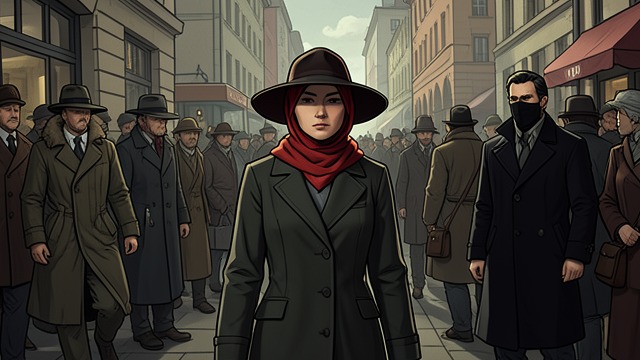
After her expulsion, Waraganj becomes known to white residents as Black Mary, a label that emphasizes the racial identity they assign her while obscuring her own name and history. Men describe her through possessive fantasies and racist judgments, treating her independence as something to be broken. Her wit and courage help her survive, but the district’s attention is also a continual threat.
Identity Passed Down
The name Black Mary travels into the story of her daughter, Molly, long before Molly understands its meaning. What could have been a family connection becomes an object of rumor and stigma, while the tenderness between Waraganj and Jock Stewart is pushed into secrecy. The imposed label demonstrates how social power can rename a person and shape what future generations are allowed to know about themselves.
Molly Learns Her Origins
Molly Learns Her Origins
A Disruptive Revelation
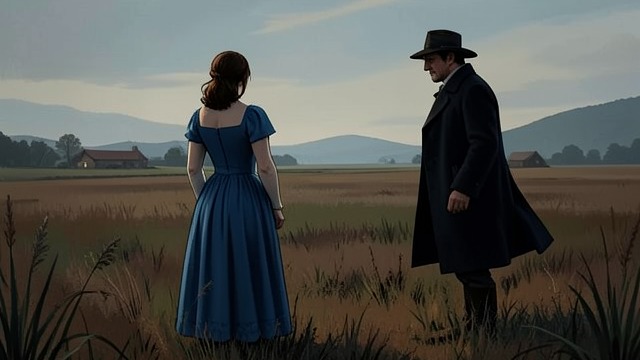
Yadaka tells Molly that her mother was Waraganj, known to white settlers as Black Mary, and that Ginny May preserved the story. Molly reacts with anger because the revelation overturns what she has been told and forces her to confront the racist category that could be applied to her children. Her ancestry arrives amid immediate danger, not in a safe moment of family reunion.
Ancestry as Connection
Yadaka insists that Molly’s heritage is not shameful and that the Ngarigo are her family. Molly cannot accept the invitation easily: she has survived by insisting that she and her children need no one else. Yet the story gives her a route toward kinship at the moment colonial authority threatens to divide her household. Knowledge of origins becomes both an emotional burden and a possible means of belonging.
A Family Finds Country
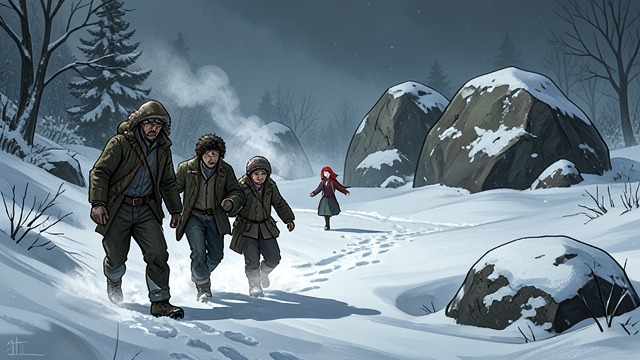
A Family Finds Country
A Route to Refuge
Danny guides his siblings through snow toward the cave Yadaka described, relying on directions grounded in the landscape rather than official roads or town authority. The children are exhausted and cold, and their arrival is uncertain until Danny sees the red-haired woman and recognizes the three boulders marking the destination. Country offers a path that the institutions of Everton do not.
Belonging Carried Forward
Years later, Danny and his siblings return from the mountains with knowledge and relationships that connect them to their Aboriginal family. Danny’s children inherit that connection through stories, ceremony and life on the land. This does not erase the loss of Molly or the damage of racial stigma, but it makes belonging an active practice: the family continues what earlier generations were forced to hide or leave behind.
The night Waraganj is born
When Waraganj is a teenager and reaches the Edwards homestead
After Waraganj leaves the Edwards property and becomes known in the district as Black Mary
The full-moon night shortly before Molly and Danny flee Everton
During the severe winter after Molly escapes Everton
