Ngarigo·Walgalu Country
The Drover's WifeNgarigo/Walgalu Country is more than the mountain setting of the novel: it is ancestral land bound to kinship, law, seasonal movement, and cultural memory. Settler development seeks to turn it into property and a route for pastoral expansion, while the novel presents Indigenous knowledge and relationships to Country as the basis for survival and belonging. The mountain paths that help people evade colonial authority also lead, in the ending, toward family and the continuation of cultural practices.
Definition and historical setting
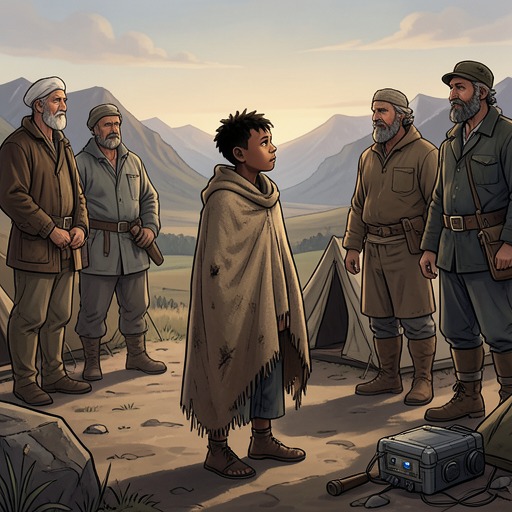
The Edwards family arrives in the high country in the early 1820s seeking additional grazing land. Charles Edwards and his party learn the country’s hidden tracks from the Ngarigo elder King Jimmy, whose local knowledge makes routes legible to newcomers who could not otherwise find them. This early exchange, however, takes place within a much older Indigenous connection to the land: the Ngarigo have belonged to Country since time began, and knowledge of it is carried through their own traditions and relations with neighboring peoples.
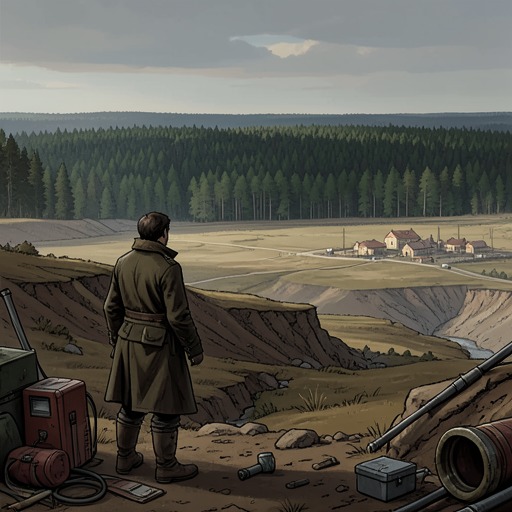
The novel places this longstanding connection against the expanding settler occupation. As more white settlers take land and erect fences, Ngarigo and neighboring nations lose the freedom to move with the seasons and are driven from their homelands. The change is not merely a change in ownership: it constrains movement, separates people from familiar places, and forces communities to live in concealment and under threat.
Settlement and competing claims to authority
Charles Edwards participates in district meetings and proposes developing the outpost of Cresthill into a town. He points to the stock route and the arrival of more farmers and settlers as reasons the settlement would prosper, offers to help finance its development, and argues that Aboriginal people must be managed. The proposal links pastoral commerce and town-building to the removal of the people whose knowledge and presence already define the region.
The consequences are presented as immediate for the clans of the alpine country. The settlers’ consensus is rapidly put into practice, while colonial authority treats Aboriginal presence as an obstacle that may be dispersed or eliminated. Against this, Ngarigo relationships to Country are rooted in inherited knowledge, communal responsibilities, and seasonal life rather than in a claim established by a meeting or property boundary. The conflict therefore concerns who may remain, travel, and make decisions about the land—not only who possesses it under colonial arrangements.
Routes, refuge, and belonging
The mountains remain a route of movement even as colonial surveillance makes travel dangerous. Yadaka, separated from his people and longing to return to his mother’s country in Far North Queensland, travels through the ranges and encounters clans moving toward a gathering. The gathering for the bogong moths brings nations, tribes, and clans together for ceremony and food before winter. His account makes the mountain country a meeting ground as well as a landscape of separation: its routes connect people across distance and sustain forms of community that colonial borders do not define.
Later, Yadaka offers Molly and her children a practical way to reach refuge for the winter: a cave northeast of their home, about two and a half days’ walk away. He gives her directions through the Great Waterhole and a bald patch to three boulders resembling emu eggs, and promises food, blankets, and shelter there, with people in the spring. The route carries more than the possibility of physical safety. It points toward the children’s extended family and a chance to learn who they are, though the conditions are expected to be difficult.
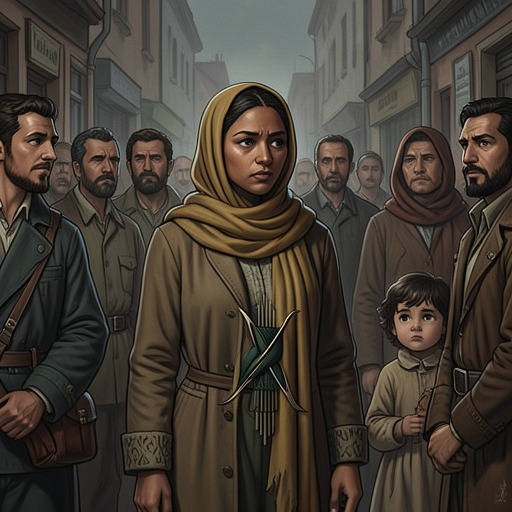
As the family escapes Everton, Danny repeats Yadaka’s directions. Molly tells him to identify her as Black Mary so that the people there will know who he is, then names them as their people and family. The change in her words marks an emerging recognition of belonging: the destination is not simply a hidden shelter but a return to kin and Country. The novel connects this choice to survival as a family and to the children’s opportunity to know their Aboriginal identity.
Cultural continuity and return
In the later family life, the mountain country remains the source of cultural knowledge passed between generations. Danny and his brothers learn the final stage of men’s-business ceremony in the high country with their Ngarigo family. Their uncle passes the ceremony on in haste because he fears that modern ways are invading and destroying practices essential to Ngarigo survival. After Joe Junior and Henry James undergo initiation, Molly’s children return down from the mountains carrying knowledge they regard with pride.
The family’s later performance of the Story of the Bullock makes that continuity visible in a new generation. Danny and his siblings preserve a story associated with their grandmother, while a young descendant acts as Danny and another plays Molly. The children’s reenactment is family play, but it also shows cultural memory being carried through performance as well as instruction. In a poem, Danny joins the names Monaro, Ngarigo, Walgalu, Country, water, family, and mother in a single account of connection, describing Country as a life force running through the family’s veins.
The novel’s ending does not make colonial displacement disappear. Instead, it places the family’s continued life and cultural practice within a landscape still marked by that history. The mountains, seasonal gathering, cave route, ceremony, and spoken poem give Country an enduring role as the ground of collective belonging—one that cannot be reduced to settler development or state recognition.