
The Cost of Failing to Intervene
The DryThis thread traces the different moments when people recognize danger but do not act, and the guilt that follows.
increasing Bearing strength in each event
 decreasing
Bearing strength in each eventdecreasingA Child Watches Violence
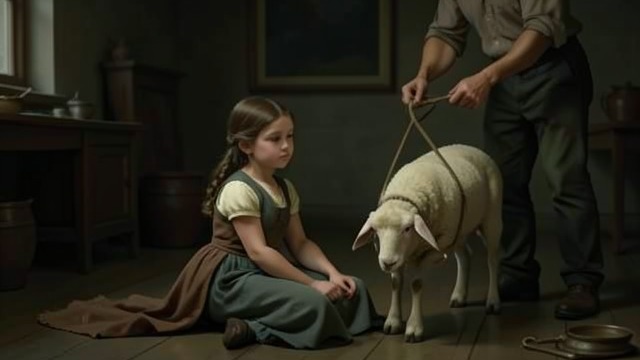
A Child Watches Violence
Cruelty observed
Aaron, Luke, and Ellie witness Mal’s brutal treatment of sheep, while Ellie’s mother watches with visible regret. The scene hints at a household where suffering is seen but not stopped.
A pattern begins
Adults around Ellie know that her home is troubled, yet no intervention changes her circumstances. The children learn to notice distress without understanding what meaningful help would require.
Friends Miss the Signs

Friends Miss the Signs
Change noticed too late
Ellie withdraws, stops drinking, works more, and becomes unusually serious. Falk and Gretchen remember these changes after her death but did not recognize them as signs of danger at the time.
Friendship’s limits
The group cares about Ellie, but affection does not automatically create insight. Their youth and self-absorption leave her without the conversation she may have needed to ask for help.
The River Encounter

The River Encounter
A moment for intervention
Gretchen and Luke see Ellie arrive at the river. Gretchen wonders whether Ellie is alone and suggests speaking to her, but Luke dismisses the idea and leaves.
A choice remembered
Gretchen follows Luke, then returns later to look for Ellie. She cannot know what would have happened had she stayed, but the decision becomes a source of guilt for decades.
The Cancelled Call
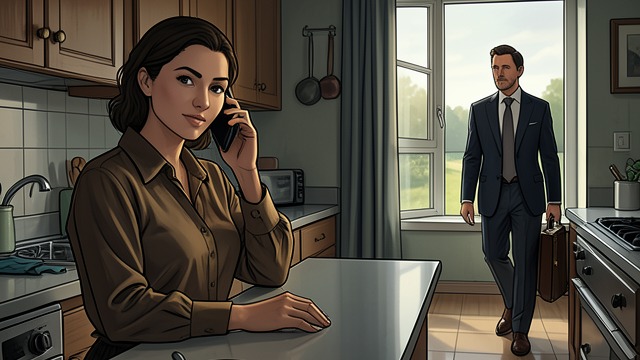
The Cancelled Call
A request not pursued
Karen calls Sandra Whitlam to cancel Billy’s playdate. Sandra senses that Karen may be distracted but is occupied with the ordinary demands of the day and ends the conversation without probing.
Retrospective guilt
After the murders, Sandra wonders whether Karen was reaching out for help. She cannot know that the call could have changed anything, but the possibility turns a routine exchange into a painful memory.
The Responsibility Reconsidered

The Responsibility Reconsidered
A fuller account
Ellie’s diary establishes that she faced abuse and had tried to plan an escape. The evidence reveals a danger that her friends and community did not fully understand.
Guilt without false equivalence
Falk and Gretchen recognize that they could have done more, while the diary makes clear that Mal committed the violence. Responsibility is not evenly shared, even when regret touches many people.
During Ellie’s childhood
In the weeks before Ellie’s death
On the afternoon Ellie dies
The day before the Hadler murders
After Ellie’s diary is found
