
Drought, Blame, and Community
The DryThis thread traces how shared hardship fosters both mutual dependence and a willingness to excuse or punish others.
increasing Bearing strength in each event
 decreasing
Bearing strength in each eventdecreasingA Mantra Against Despair
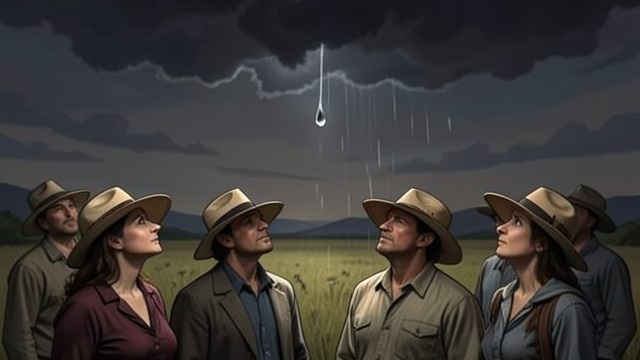
A Mantra Against Despair
Repeated hope
Farmers tell one another that the rain will come, repeating the assurance as a public saying and a private prayer. The forecast offers little comfort, but the ritual helps them endure another day.
Hope under pressure
The mantra has a fragile edge: it acknowledges that people are frightened without allowing them to say so directly. The drought’s length makes that pressure increasingly difficult to contain.
A Necessary Dependence

A Necessary Dependence
Community as protection
Gerry explains that local families depend on one another for work, business, and ordinary social life. Challenging a powerful neighbor can mean losing more than a single argument.
Compromise becomes a norm
The need to get by encourages people to remain quiet about suspected wrongdoing. Dependence preserves a fragile community, but it also allows harm to continue without open resistance.
The Town Chooses a Scapegoat
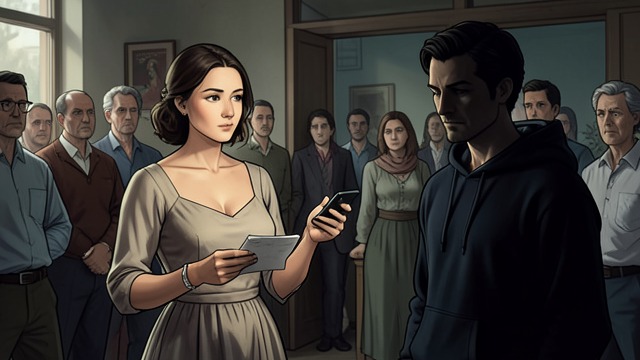
The Town Chooses a Scapegoat
Suspicion gathers
Ellie’s note names Falk, and townspeople turn uncertainty into accusation. Mal Deacon’s certainty gives the rumor a voice, while the false alibi makes the truth harder to test.
Punishment without proof
Falk’s family faces ostracism, threats, and vandalism. The town’s need for a clear explanation overwhelms its willingness to distinguish evidence from repetition.
Old Grievances Return

Old Grievances Return
Public hostility
The flyers and damaged car revive allegations against Falk just as he investigates the Hadler deaths. Residents use the new case to express long-standing suspicion and unease.
Conflict spreads
The inquiry now threatens more than its suspects: it exposes how easily social punishment substitutes for proof. Falk’s questions make a buried community dispute active again.
An Unfinished Reckoning
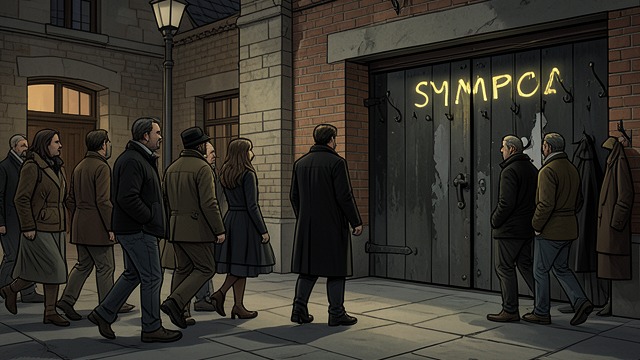
An Unfinished Reckoning
The town changes its tune
Once the evidence points elsewhere, some residents quickly distance themselves from the accusations they had circulated. Their reversal does not undo the damage done to Falk or his family.
Truth and accountability
The Hadler case is resolved, but the town’s old habits are not. Ellie’s diary shows that silence protected abuse as well as reputation, leaving Kiewarra with a moral debt beyond one conviction.
During the second year of drought
During Falk’s conversations with residents
After Ellie’s body is found
After Falk resumes questioning
After Whitlam’s arrest
