Abuse and domestic violence
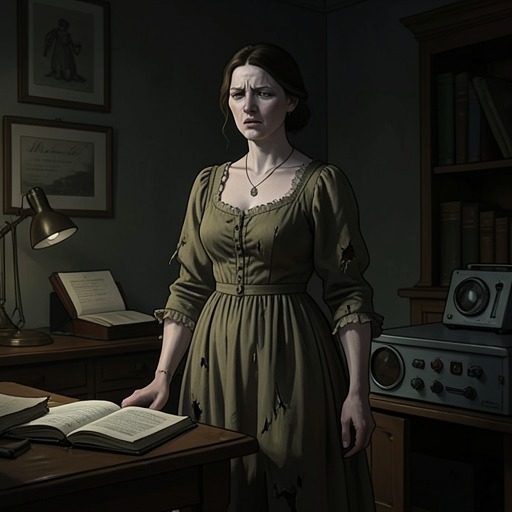
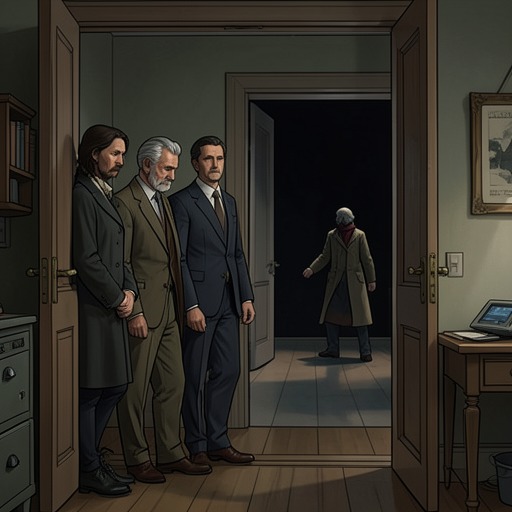
The DryAbuse and domestic violence in The Dry are shown as a sustained pattern of harm and fear, rather than a single private crisis. Ellie Deacon’s diary eventually makes explicit what others had only suspected: her father, Mal Deacon, repeatedly abused her, and the people around them either failed to understand the signs or were too intimidated to intervene. Her efforts to prepare an escape reveal how violence restricted her choices, while the community’s silence helps explain why that danger remained hidden.
Pattern and Escalation
Ellie’s diary traces the abuse back to her early adolescence. Mal first struck her when she was fourteen, while drunk and confusing her with her absent mother. The violence recurred. Ellie tried watering down his alcohol, but he noticed immediately, and she did not try it again. Her schoolwork deteriorated; if teachers noticed, they criticized her inattention without asking what might be happening at home. Her cousin, Grant Dow, saw her bruises but dismissed the situation rather than helping her.
At sixteen, Ellie’s attempts to assert herself were followed by further violence. After an assault that left her afraid she might lose consciousness, Mal later restrained her breathing with a cloth. That episode marked a turning point: Ellie stopped drinking and decided she would leave, though not at once. The diary also records sexual abuse by her father. One night he assaulted her while she was asleep; afterward, she was left frightened and hurt. The account shows the danger escalating from repeated physical abuse to sexual violation, and makes clear that Ellie’s plan to escape arose from an immediate threat, not a sudden wish to leave home.
Warning Signs and Failed Intervention
The signs had appeared years before Ellie’s diary was found. When the children were about eleven, Barb Hadler remembered Ellie as unusually thin, not eating properly, and visibly unhappy after her mother left. Barb went to Mal to tell him that Ellie was not well and needed help. He dismissed her and showed her the door. A week later, the Hadlers’ upper field died without warning. Tests found abnormal soil acidity; Barb suspected Mal had put chemicals on the land in retaliation. The damage cost the family thousands and the field never fully recovered. The suspected poisoning is not established as proven, but Barb’s account connects her attempt to speak up for Ellie with a costly act of intimidation against a neighbor.
Years later, Gretchen Schoner tells Aaron Falk that she believes he had long suspected Ellie was being abused. Gretchen says the signs had been present, but that she and the others were too young and self-absorbed to interpret them. Falk’s guilt and regret follow this recognition. When he asks why Ellie did not tell them, Gretchen suggests that fear or embarrassment may have kept her silent. Their exchange recasts earlier memories: the evidence was not wholly absent, but it was not understood as a request for help.
Fear Beyond the Household
Ellie’s diary describes Mal’s threats and retaliation as part of a wider pattern. She had seen him punish people for real or imagined slights, including by threatening them, poisoning fields, and harming dogs. She believed other people were afraid of him and concluded that no one in Kiewarra would reliably stand up to him. In a community where people had to choose which conflicts to risk, his reputation helped isolate Ellie and made seeking protection seem futile.
Mal’s aggression also appears in his confrontation with Erik Falk. During an argument, Erik accused Mal of driving his wife away through his drinking and violence. Mal struck Erik, and when Aaron rushed to defend his father, Mal grabbed and threatened him as well. Mal framed any interference with what he considered his own as grounds for retaliation. The scene does not prove every allegation made during the argument, but it directly shows his readiness to use violence and threats to control a dispute. His behavior toward others gives context to Ellie’s fear of what he might do if she tried to leave.
Planning an Escape and the Diary’s Revelation
Ellie did not leave without preparation. She found a concealed place by the river where she could hide a bag, saved money while working part-time, and learned to keep it from her cash-strapped father and cousin. She booked a room at a motel three towns away under the name Falk, a name that made her feel safe. She also wrote down Aaron’s name and the date she had chosen to leave, keeping the note as a reminder not to abandon her plan. Her final diary entry expresses the fear that her father would kill her if he discovered what she intended.
The diary was found years later wrapped in a raincoat at the bottom of Ellie’s hidden backpack. Its contents transform the scattered memories and suspicions into a sustained account of abuse, neglect, and planned flight. The record also shows that Ellie had tried to manage the danger with the limited resources available to her: she saved money, concealed her preparations, and chose a destination beyond her immediate surroundings. Those measures could not protect her indefinitely, but they make visible both her determination and the constraints under which she acted.
Narrative Significance
The abuse theme links private violence to public silence. Barb tried to intervene when Ellie was a child, but Mal’s hostility and the suspected damage to the Hadlers’ farm attached a cost to challenging him. Ellie’s classmates and teachers did not offer meaningful support, while her cousin minimized what he saw. As an adult, Gretchen recognizes that the signs were there, but recognition comes only after Ellie can no longer be helped. The diary makes that delay central: it supplies the account Ellie could not bring herself to share while she was alive, and forces Aaron and Gretchen to confront what their younger selves did not understand.
The book thus presents abuse not only through Mal’s actions but through the conditions that let them continue: fear of retaliation, dependence, social isolation, and missed opportunities to ask what Ellie needed. Her hidden bag and unfinished plan preserve a private intention that others had not known. When the diary is finally read, the silence around her suffering breaks, but only retrospectively; the revelation clarifies the past without undoing the failure to protect her.