Clyde
The DryClyde is an off-site source of emergency and police support in the account of the Hadler family killings. Its practical importance appears in two forms: responders come from there during the search for Luke Hadler, and Kiewarra residents are directed there when their local station is closed.
Emergency response
When a courier found Karen Hadler and called for help, the dispatcher notified Clyde and the local GP. Dr. Patrick Leigh, the closest medical practitioner, reached the house first; Greg Raco arrived a couple of minutes later. The larger response teams came from Clyde shortly afterward. Police and paramedics arrived at nearly half past six, after those already at the house had searched it and found no one else inside.
The unanswered calls to Luke Hadler changed the emergency into a search. Search-and-rescue volunteers who knew him reported that he had been helping Jamie Sullivan cull rabbits, though Sullivan said Luke had left his farm hours earlier. More volunteers were paired with police and sent through fields and bushland. One searcher eventually found Luke’s truck in a clearing about three kilometres away, with Luke dead in the back and his licensed, registered gun still in his hand.
Fallback for Kiewarra
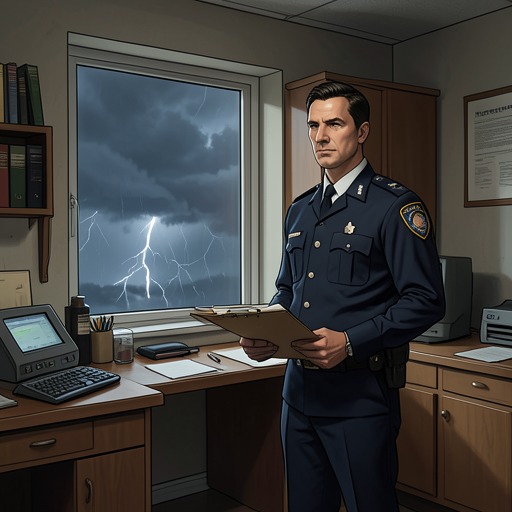
Clyde also figures in the routine limits of Kiewarra’s local police service. When Aaron Falk and Raco reached the station at 4:51 p.m., they found it locked. A notice listed weekday opening hours as 9:00 a.m. to 5:00 p.m. and directed crime victims seeking help outside those hours to Clyde. A mobile number had been written beneath the notice; Falk guessed it belonged to Raco.
These references establish Clyde as a neighboring point of support without making it a setting for the main investigation. The contrast is between assistance that can be summoned from elsewhere and the constraints of a small local station: Clyde supplies responders and an after-hours alternative, while Kiewarra’s own police service keeps limited posted hours.