Melbourne
The DryMelbourne stands at the edge of the story’s drought-stricken Kiewarra: it is the city from which Aaron Falk returns, the source of national weather reports, and the setting against which his isolated private life is briefly measured. Its distance from the town is both practical and emotional, separating Falk’s metropolitan routine from the losses and obligations that draw him back.
City and Regional Contrast
The book sets Melbourne’s air-conditioned weather studios against Kiewarra’s exposed farms and unrelenting heat. From the city, forecasters report that the drought is officially the worst in a century and identify El Niño as the weather pattern behind it. Their brief nightly reports contrast with the farmers’ repeated hope that the dry spell will break, and with the immediate consequences of having no rain or feed. Melbourne is thus a point from which the crisis is described at a distance, while Kiewarra bears its daily costs.
Falk’s Return
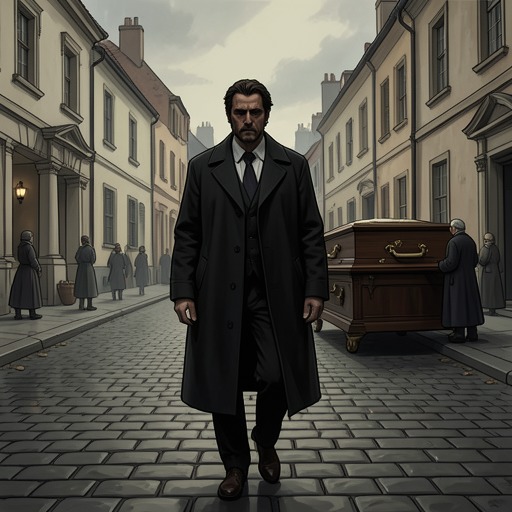
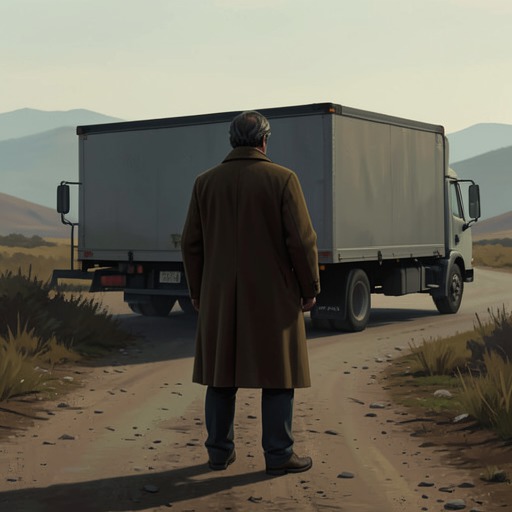
Falk drives from Melbourne to attend Luke Hadler’s funeral in Kiewarra. He drags out the five-hour journey to more than six hours, then arrives amid the heat and a crowd of mourners. The trip makes the city a threshold between his established life and the town he had left: his arrival is not simply a return to an old place, but a renewed encounter with the past and with the Hadler family’s tragedy.
Work and Private Life
Falk identifies himself as a federal officer in the financial intelligence unit, whose work involves tracing money that has been laundered or embezzled. The evidence establishes his professional role but does not specify that the unit is based in Melbourne. His private connection to the city is more concrete: he pictures his St. Kilda flat, locked and dark, and reflects that it has been home to him alone for three years. In the pub room in Kiewarra, that solitude stands in contrast to the warmth and family life he remembers at the Hadlers’ home, and helps explain why he considers staying beyond the funeral.