
Silence and Language
The Earthquake BirdThis flow traces silence as Lucy Fly’s childhood refuge, adult intimacy, and a barrier to the explanations she needs.
increasing Bearing strength in each event
 decreasing
Bearing strength in each eventdecreasingThree Years Without Speech

Three Years Without Speech
Silence as Protection
Lucy stops speaking after Noah’s death. Her family and school leave her largely undisturbed, making silence simpler than trying to explain an event she does not understand.
A Return on Her Terms
Lucy speaks again at a chess ceremony, rejecting the newspaper’s assumption that mutism defines her. Speech returns as an act of self-determination, not as proof that her inner life has become easier to communicate.
Words With Teiji
Words With Teiji
A Private Quiet
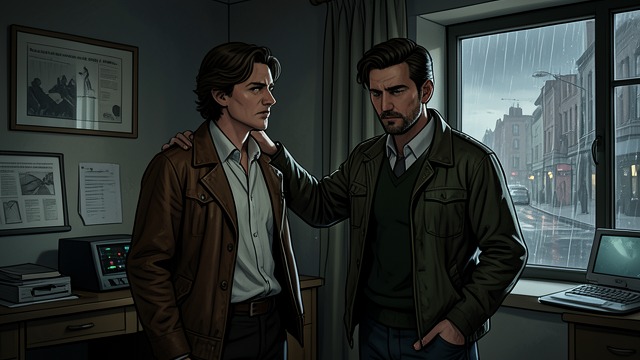
Lucy remembers herself and Teiji as communicating through touch, weather, and images rather than clear conversations. Their silence feels like intimacy because it spares Lucy from explaining herself.
A Missing Voice
When the relationship fails, Lucy cannot recall Teiji’s exact words or reliably distinguish English from Japanese. The silence that once comforted her becomes an obstacle to knowing what he thought.
The Interpreter’s Failure
The Interpreter’s Failure
Assumptions About Fluency
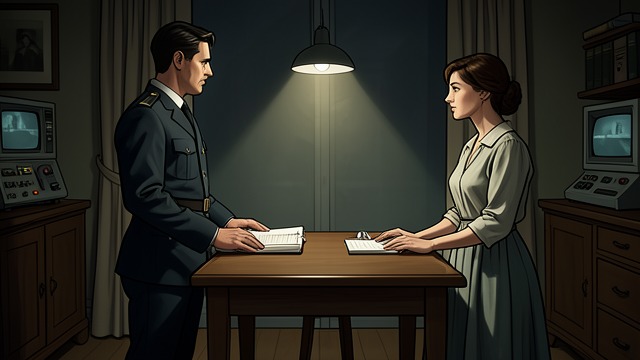
Police assign Oguchi to interpret before recognizing that Lucy speaks Japanese fluently. Lucy initially lets the misunderstanding continue, observing the officers rather than correcting them.
Communication Without Trust
Even when language is shared, Lucy refuses to give the account police request. Her fluency cannot resolve the gap between what she remembers, what she will say, and what investigators believe.
After Noah Fly’s death
During Lucy Fly’s early relationship with Teiji
During Lucy Fly’s first police interview
