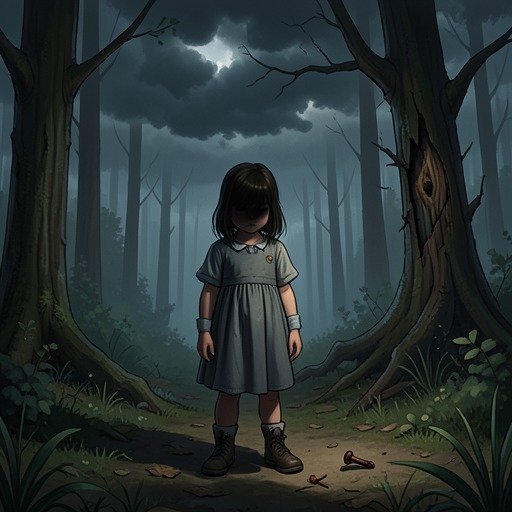
Lucy Fly's silence and return to speech
The Earthquake BirdLucy Fly's silence and return to speech is a turning point shaped by the accidental death of her younger brother, Noah Fly. After the accident, Lucy does not speak for three years; when she finally does, it is at a public ceremony where others have already presumed to explain her silence. Her return to speech is therefore both an aftermath of trauma and an act of resistance to a story told about her by other people.
Background and the beginning of silence
The silence follows an accident in which Noah was fatally struck by a plank of wood. Lucy had meant to squash him, not puncture him. Noah died in hospital that night. In the aftermath, Lucy kept to herself and no longer wanted to sit in the tree. George Fly eventually cut down the cooking apple tree, despite the town council's wishes, and burned it. Lucy did not watch, and never knew whether the smoke brought tears to his eyes.
The last person Lucy spoke to was a nurse who took her by the hand from the hospital ward and led her along a corridor smelling of sickness and disinfectant. The nurse asked whether Lucy understood that the death was not her fault. Lucy answered, “Yes, no, yes,” because she did not understand the question and did not know which answer the nurse wanted. After that, she could not utter another word. The exchange leaves the question of blame unresolved for Lucy: the nurse offers reassurance, but Lucy cannot yet make sense of it.
Three years without speech
At home, Lucy's silence either went unnoticed or brought relief. Her brothers had lost their appetite for tormenting her after the accident; at school, teachers left her alone, while other children whispered and kept their distance because they believed she could kill easily. The account calls the period three silent, blissful years, a description that sets Lucy's private experience against the fear and assumptions surrounding her. Silence simplifies life for her, even as it fixes her in other people's minds as strange and dangerous.
During those years Lucy wins the county junior chess contest. A local newspaper prepares a profile of “Lucy the Tragic Mute Genius,” imagining her loneliness and presenting chess as a desperate attempt to communicate. Lucy cannot tolerate that presumption. She had chosen chess precisely because speech was unnecessary: a check could be communicated through the eyes and eyebrows, or, if required, written on the back of a hand. The game thus offers her a form of communication on her own terms, not the rescue or substitute for speech the newspaper invents.
The return to speech
At the prize-giving ceremony, Lucy opens her mouth and casually says, “Thanks,” into the microphone. The plainness of the word overturns the newspaper's elaborate account: she speaks as though she has been speaking every day. The narration calls the moment “Checkmate,” but qualifies the victory. Lucy has cornered herself too; once she has spoken again, she cannot recover the silence. Speech returns not through an announced cure but through a small, deliberate break in the role others have assigned her.
Echoes of care
Years later, an ankle sprain on a mountain descent brings the earlier experience of nursing care back into view. Lucy slips off the path and lands with her ankle folded under her thigh. Lily Bridges checks the injury, loosens Lucy's shoe, holds her foot, and bandages the sprain. Lucy is struck not only by the treatment but by Lily's calm, competent voice, which she recognizes as resembling a voice heard before in another place. When Lily says she is a nurse, the recognition makes sense to Lucy.
Lily says nursing remains part of who she is even while she works in a bar, and describes it as looking after people and picking up the pieces. The scene does not erase Lucy's earlier silence or explain it away; instead, the familiar register of care links the hospital encounter to a later moment when Lucy is injured and able to receive help. The episode's lasting significance lies in that contrast: after an event she could not understand or speak about, Lucy's return to language begins with a single word, while the memory of being cared for resurfaces through another person's practiced attention.