Lucy speaks again
The Earthquake BirdLucy speaks again after three years of silence, not through a gradual return to conversation but with a single casual word at a chess-prize ceremony. The act overturns the story others have made about her: she has chosen chess because it does not require speech, while the newspaper has mistaken that choice for a desperate bid to communicate. Her return to speech is at once a public correction and a change she cannot undo.
Silence After the Accident
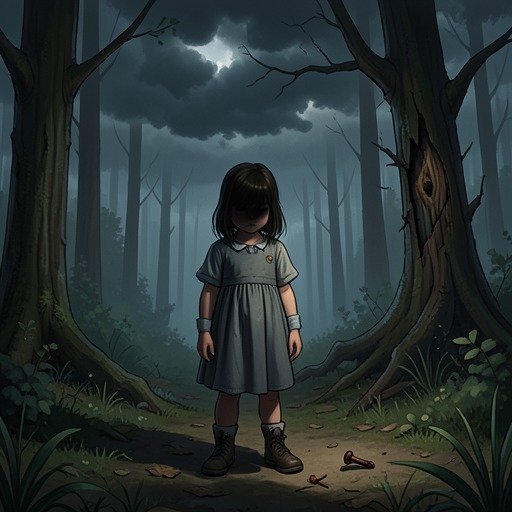
The silence follows the accident in which Noah Fly was fatally injured. The last person Lucy speaks to is a nurse who leads her away from the hospital ward, holding her hand. The nurse asks whether Lucy understands that it is not her fault. Lucy answers, “Yes, no, yes,” because she does not understand the question and does not know which answer the nurse wants. Afterward, she cannot bring herself to utter another word.
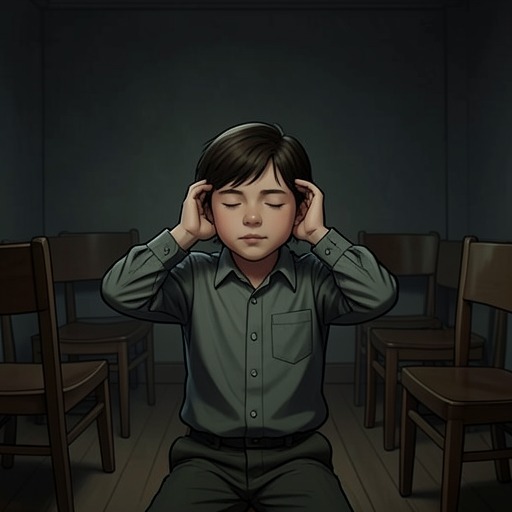
The silence changes how Lucy moves through home and school. Her family either does not notice or is relieved; her brothers have lost their appetite for teasing her. Teachers leave her alone, while other children whisper and keep their distance because they think she can kill easily. The narrative describes these three years as blissful, presenting silence not simply as an incapacity but as a condition that makes life simpler and gives Lucy a reprieve from other people’s attention.
Chess and the Prize-Giving
Lucy takes up chess precisely because it does not require speech. A check can be communicated with eyes and eyebrows, and, if necessary, written on the back of a hand. After she wins the county junior chess contest, however, the local newspaper prepares a story about the “Tragic Mute Genius,” imagining her loneliness and describing chess as a last-ditch attempt to reach the world.
Lucy cannot tolerate this presumption about her. At the prize-giving ceremony, she opens her mouth and says, “Thanks,” clearly but casually into the microphone, as though she had been speaking every day. Her word is a refusal of the newspaper’s invented account as much as an acceptance of the prize: she speaks in public on her own terms, rather than to fulfill the role of isolated mute genius that others have assigned her.
The Irreversible Return
The ceremony makes speech audible again, but it does not restore the earlier silence. The narration calls the moment “Checkmate”: Lucy has cornered herself by speaking, and afterward finds it impossible to rediscover silence. That reversal complicates the apparent victory. She has defeated the newspaper’s presumption, yet the act that does so closes off a state in which she had felt life was simpler.
Later, when Lucy sprains her ankle on a mountain descent, Lily Bridges checks her foot, tends to the injury, and speaks with a calm competence Lucy recognizes as familiar. Lily Bridges explains that she is a nurse, a vocation she still feels is hers even while working in a bar. This later episode returns the narrative to the language and practice of nursing that frame Lucy’s last conversation before her silence: care appears not only as a remembered hospital encounter but as a way of responding to another person in the present.