The Yamanashi hike
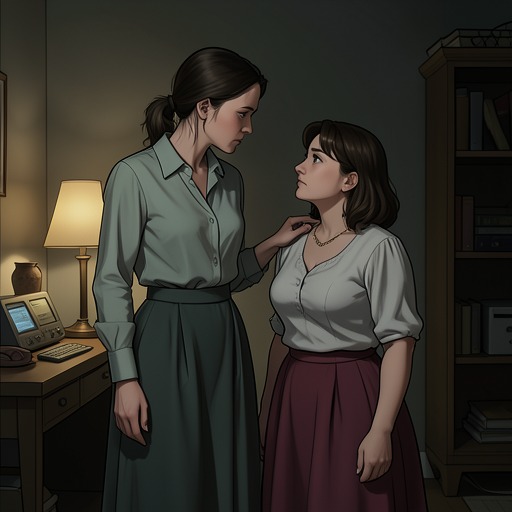
The Earthquake BirdThe Yamanashi hike is a weekend excursion that turns an ordinary group walk into a moment of physical vulnerability and unexpected intimacy between Lucy and Lily. Its green mountain landscape offers a sharp contrast with Tokyo, while Lucy’s sprained ankle gives Lily the chance to care for her with a calm competence that reveals more about her than conversation alone had done.
Departure and the group
Lucy recalls arriving at Shinjuku early in the morning, where the station was already busy despite the weekend. Commuters in suits were boarding trains, people in crushed work clothes were heading home, and high-school students carried kendo swords in cases. Lucy had half hoped Lily might have overslept, but Lily was there with Natsuko and others. Lily had invited Bob, who brought his colleague Richard, while Natsuko moved among the group, introducing herself and beaming. The outing was her undertaking: she would guide the party and explain the route.
The hikers on the train were mostly middle-aged or elderly, dressed in conspicuously specialized gear: Gore-Tex shoes, walking sticks, bright rucksacks, and hats suited to the trail. Lucy’s group looked less prepared, in jeans and leggings, old sneakers, and loose T-shirts; Richard wore a red bandanna. Lucy was glad Bob and Richard had come. She was in a solitary mood, and being alone within a large party felt easier than being confined to a threesome. Natsuko, by contrast, was at ease in the role of organizer, showing Lily the map and explaining where they were going.
The mountain and Lucy’s unease
The mountains in Yamanashi felt like another world after months of Tokyo air, which Lucy associated with people and traffic. The countryside smelled of soil, rain, and pine, and she felt lightheaded on reaching the mountain’s base. Lily came to stand beside her and praised the landscape, comparing it to walks she had taken with Andy in the Yorkshire Moors and on the Dales. The reference unsettled Lucy. Lily’s repeated recollections of Yorkshire made it difficult for Lucy to remain present in Yamanashi; she gave a perfunctory nod and went to find Bob.
The path passed old farmhouses with gardens of bright flowers and thick green trees, then left roads and houses for a dirt track among tall pines. A stream ran alongside much of the route, and the hikers crossed it more than once, with Bob and Lucy helping one another over before waiting for the others. As the climb grew harder, talk dwindled from chatter to scattered comments and then to breath and footsteps. Lucy valued this quiet, when the effort of walking seemed to use up conversation and leave each person alone with their thoughts.
After a couple of hours, the group reached a low peak. From there they could see distant mountains and valleys, villages, and paddy fields. Natsuko consulted her guidebook and pointed toward a range where she expected Mount Fuji to be visible, but the group could not find it. Richard concluded that the guidebook must be wrong: if the mountain were there, he reasoned, its size would make it impossible to miss. The excursion thus offered no confirming landmark, only the open view and the group’s uncertainty about what it should contain.
The fall and Lily’s care
The descent was fast. The group slipped and slid over rocks and roots, and Lucy let her feet carry her too quickly. Her ankle caught on a tree stump; she flew off the path and landed on her side with the ankle folded beneath her thigh. When she tried to stand, pain made her dizzy. She sat again and bit her lip, instinctively trying to displace the pain by concentrating on something else.
Lily rushed over and asked Lucy to pull up her trouser leg and lower her sock. She loosened Lucy’s shoe, held her foot, and prodded it firmly without causing further pain. Her assessment was that the ankle was not broken but badly sprained, and she set about bandaging it. The rest of the group watched. Bob squeezed Lucy’s shoulder and reassured her; Lucy replied defensively that she had not said the injury was bad. When Bob and Natsuko exchanged amused glances, Lucy noticed her own sharpness. Lily gave her a painkiller from a small bag in her rucksack and some water. After resting for a few minutes, Lucy could hop slowly and continue.
The pain remained sharp, but Lily’s treatment affected Lucy beyond the practical relief it offered. Lucy carried the warmth of Lily’s hands and the memory of being laid on the soil, bandaged, and tended to. Just as important was Lily’s unusually calm, competent voice. Bob, impressed by how she had handled the situation, asked whether she had received Girl Scout training. Lily explained that she was a nurse. Lucy already knew, as soon as Lily said it, that the fact made sense; she was glad Lily had been there, even as she minimized the severity of her injury.
The walk’s aftermath
At the bottom of the mountain, Natsuko led the group along small roads to an onsen, where the hikers could soak after their climb. The men and women separated, and Lucy entered the changing room with Lily and Natsuko. Lily was uncomfortable undressing in front of other women, but did so rather than draw attention to herself by making a fuss. Lucy, by contrast, felt no embarrassment about communal bathing and enjoyed the space the hot water gave her. The difference in their ease with their bodies sharpens the contrast between them without interrupting their growing closeness.
Later, Lily advised Lucy to rest the ankle, apply a compress, and put her feet up. Their conversation turned from immediate treatment to Lily’s work and sense of self. She said she had always wanted to be a nurse and had never imagined another occupation. Though she was then working in a bar, she did not feel that she had ceased to be a nurse: she expected to return to the profession and described nursing as something she would always be. Lucy recognized in that identity the work of looking after people and picking up the pieces, and Lily turned the comparison back toward Lucy’s translating. The hike’s lasting significance lies in this movement from practical care to recognition: the injury exposes Lily’s enduring vocation, while Lucy’s gratitude and attention register how deeply the encounter has touched her.