Frank Maloney
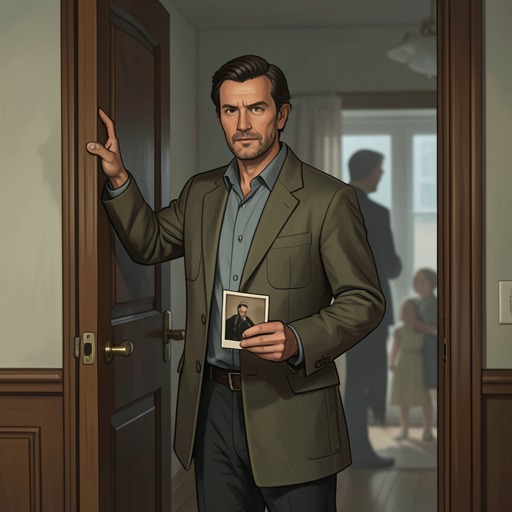
The Edge of the WorldFrank Maloney is Shay Maloney’s father and a source of stability as Shay faces bereavement and begins investigating his biological family history. The novel presents Frank chiefly through the relationship Shay describes and the brief phone conversations between them: a dependable parent whose matter-of-fact manner can comfort his son, even as it leaves grief difficult to discuss. When Shay asks to speak with his father before the family-history project goes further, that request makes Frank’s place in his life plain.## Identity and Family PositionFrank Maloney is the father Shay Maloney calls when he needs the familiar reassurance of home. In Shay’s recollection of his mother’s advice about the documentary, she tells him, “Your dad and I aren’t all you are, sunshine.” The words place Frank alongside Shay’s mother as one of the parents who helped make a loved and lively home, while also urging Shay not to let that upbringing define the whole of his identity. The advice matters later because the documentary is not simply an account of the family that raised him: its researcher is investigating Shay himself and his biological history. The distinction between the family already known to him and the origins still to be discovered gives Frank’s role particular weight.## Grief and SteadinessAfter his mother’s death, Frank’s way of speaking about loss appears, to Shay, strikingly matter-of-fact. During a phone call, Frank says he feels his age without his wife there to nag him along. Shay is unsettled by how casually her absence enters the conversation; he imagines Frank as having shut the door on grief so firmly that missing her has become something he can mention without ceremony. That impression belongs to Shay’s reading of his father, rather than establishing what Frank privately feels. Shay does not want a display of tears from him. Instead, he thinks of Frank as the person who has always been his rock, including through life choices Frank did not fully understand. The exchange shows both the comfort Shay takes in his father’s steadiness and the limits of what he can know about Frank’s mourning. Frank’s composure reassures his son, but it also leaves Shay wondering what lies behind that composure.## The Family-History ProjectShay’s wish to tell his father before beginning the investigation is one of the clearest signs of Frank’s importance to him. After learning that the researcher is not tracing his adoptive family but researching Shay’s own history, he asks to hold off until he can speak with his dad. The request is not a rejection of the project: Shay says it feels wrong to enter into it without first telling him. Frank is therefore part of the emotional boundary Shay wants to observe as the investigation begins, even though the evidence does not show him directing the research or choosing what it will uncover. In remembering the documentary, Shay also recalls his mother’s encouragement to take whatever he needed from the work. That invitation sits beside his concern for Frank: new knowledge about biological origins is not, for Shay, a reason to bypass the parent he already knows.Later, Shay calls Frank back while the band is on the road and has more time than their usual brief conversations. The call begins with an ordinary greeting and a question about what Frank is doing; its ease contrasts with the unsettled subject of the family tree that follows. Frank asks about the material Shay has sent him and says he could not make head or tail of what he had read about Anna. His blunt assessment that she sounds “bonkers” is met with a correction: Shay says she was not bonkers, only different. Frank replies by connecting that difference to Shay’s blood. The exchange makes the family-history work a shared, if imperfect, conversation. Frank is willing to engage with what his son sends, but the new material is difficult for him to interpret; Shay, in turn, defends the person under discussion rather than letting his father’s dismissive word stand.## Relationship and Narrative SignificanceFrank’s significance emerges through ordinary acts of contact rather than a separate plot of his own. Shay calls him back, makes room to talk, and wants him informed before moving deeper into a story about his origins. Their conversations hold affection and friction together: Frank’s gruff, practical manner is familiar to Shay, yet his son can be surprised by how he speaks about bereavement or by how quickly he judges someone in the family tree. Shay’s response is not to withdraw from him. He continues to treat Frank as a trusted parent and to explain what Frank does not yet understand. In this way, Frank anchors the contrast between ancestry and lived family without being reduced to an obstacle to discovery. The biological history may widen Shay’s sense of who he is, but his choice to bring the investigation to his father first shows that the relationship remains part of how he approaches that change.