The devil on his shoulder
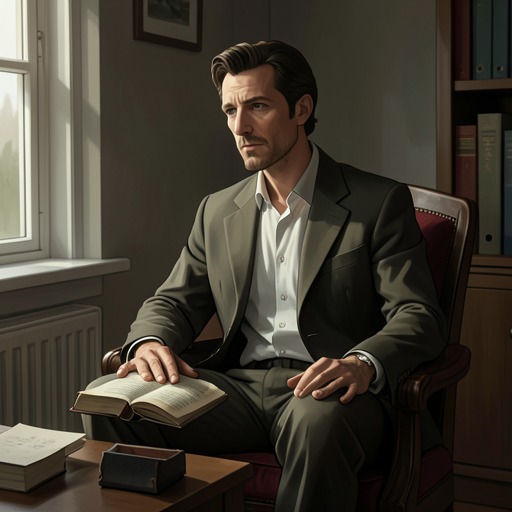
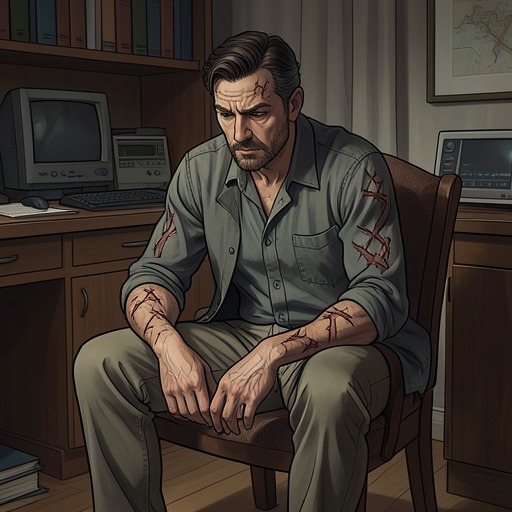
The Edge of the WorldThe devil on his shoulder is the novel’s recurring image for the tormenting voice that accompanies Ollie through fear and trauma. Its changing presence marks a small but consequential shift: the voice can still grow loud, but it no longer has the final say over what Ollie does.
The Voice and Its Pressure
On his journey from London to Leeds, Ollie leaves his childhood home to seek help, carrying mental-health pamphlets and the methods he has begun learning. The devil on his shoulder is louder than ever, and his heart pounds and hands tremble. Yet the familiar cold sweat does not come. That distinction matters: fear remains, but Ollie recognizes a change in how it affects him, and claims the moment as a win.
A Changed Presence
Later on the journey, Ollie looks for the driver after imagining the man might have been burned as badly as he was. The car is empty, and the driver is unhurt; relief interrupts the tormenting projection. The devil is then replaced by the straight-talking sibling Ollie never had. The image does not suggest that fear has vanished. Instead, its displacement signals that another, more practical inner voice can answer it.
From Reassurance to Action
After finding Shay’s face on his phone, Ollie’s fingers hover over the screen, but he does not type. He sets the phone aside, takes out his notebook, and begins to write to Shay. The sequence gives the metaphor a concrete consequence: rather than remain caught in fearful anticipation or send an impulsive message, Ollie chooses a form of communication he can begin on his own terms. The devil on his shoulder thus names both the persistence of distress and the possibility of acting while it is still present.