
The Mountain as Home and Limit
The Eight Mountains: A NovelThe novel tests whether mountain belonging offers freedom and purpose or becomes a boundary that prevents change and care.
increasing Bearing strength in each event
 decreasing
Bearing strength in each eventdecreasingDifferent Preferred Heights
Different Preferred Heights
Three Ways of Belonging
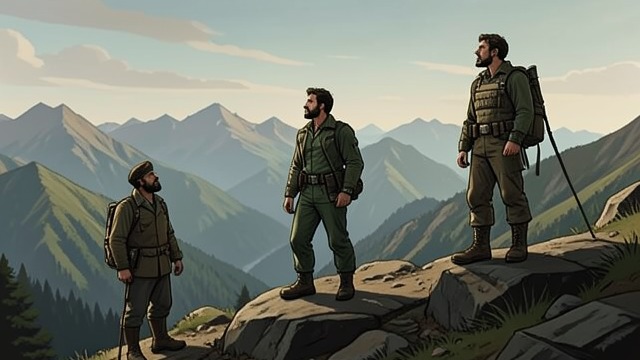
Pietro’s mother loves villages, woods, and meadows; Pietro is drawn to alpine pastures and torrents; Giovanni seeks the barren world above the vegetation line. Each preferred altitude reflects a different temperament.
A Family in Contrast
Their shared love of mountains does not make them alike. The landscape accommodates domestic care, exploration, and solitary exertion, while exposing the distance between family members who interpret the same place differently.
The Reverse Side
The Reverse Side
A Somber Beauty
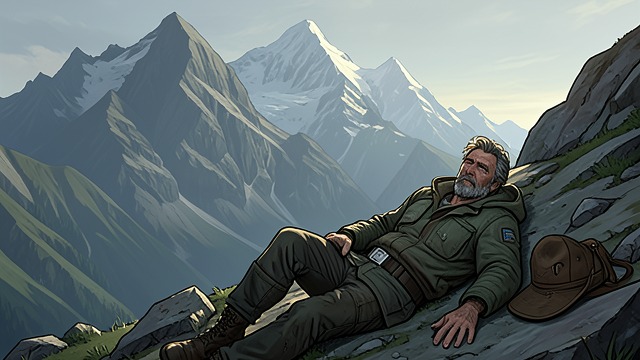
Barma lies on a shadowed slope beneath a pale rock face, across from brighter mountains. Pietro experiences the site as powerful and uneasy rather than restful.
A Different Measure of Value
The place resists the polished appeal of resorts and easy scenery. Its beauty emerges through weather, labor, ruin, and solitude, inviting the reader to value what conventional ideas of attractiveness overlook.
The Mountain Man Ideal
The Mountain Man Ideal
Bruno’s Self-Definition
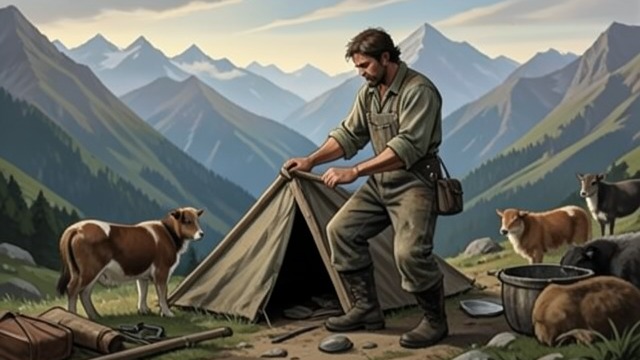
Bruno says he was born to be a man of the mountains. He distinguishes himself from relatives who neglect the farm and finds meaning in building, tending animals, and staying in the high country.
Freedom’s Cost
The identity offers integrity and practical mastery, but can also narrow his sense of possible lives. As the farm’s debts accumulate, the ideal becomes difficult to separate from stubborn refusal to adapt.
The City as Departure
The City as Departure
Urban Estrangement
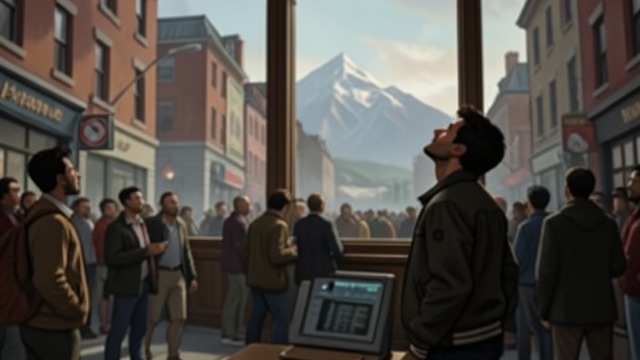
Milan and Turin represent work, traffic, unstable careers, and social life for Pietro. He leaves cities repeatedly for mountains and journeys, yet continues to earn a living through urban connections.
An Unresolved Contrast
The mountain offers attention and solitude, but the city is not merely an enemy: it provides work, relationships, and alternatives. Pietro’s life depends on movement between places rather than a simple choice of one over the other.
The Mountain’s Indifference
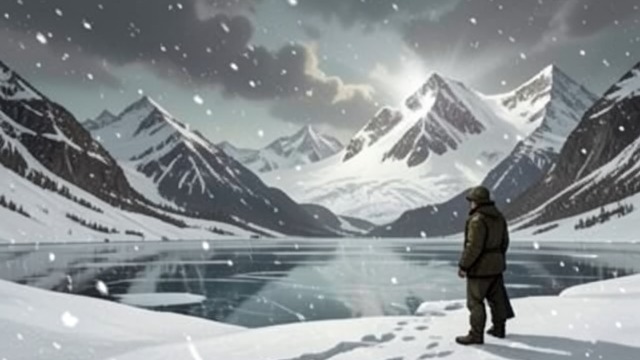
The Mountain’s Indifference
Beauty and Danger
An avalanche breaks through the frozen lake and kills trout near Barma. The same landscape that offers shelter can suddenly destroy, without malice or awareness.
A Refusal to Leave
Bruno says the mountain has never harmed him, even after the avalanche and the collapse of his former life. His faith expresses deep belonging, but also a willingness to treat danger as irrelevant to the life he has chosen.
Pietro’s childhood
Summer 2004
Summer 2004
From childhood into adulthood
December 2013
